Passenger environment
Review circulation, accessibility, lighting, wayfinding, waiting areas, platform interfaces and temporary separation from work zones.

Rail asset planning guide
A construction-focused guide to defining scope, staging work around passengers and services, coordinating possessions, and closing out station upgrade packages.
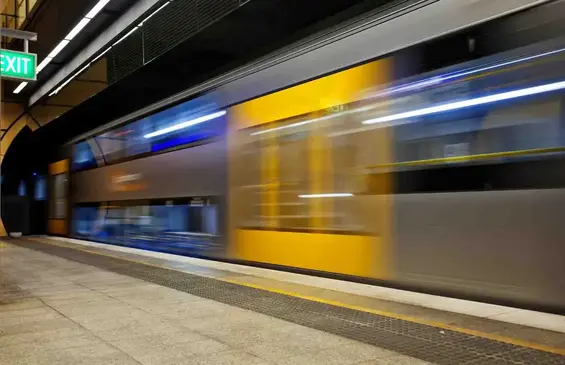
A train station refresh program can combine building, civil, accessibility, services and presentation works within an operating transport environment. The practical challenge is to define a buildable scope without losing sight of passenger movement, rail interfaces, possession limits and handover evidence.
SCE’s dedicated station refresh service pathway sets out the construction capability available for project-specific rail and station packages. This guide explains the planning and delivery questions clients should resolve before work begins.
A useful brief identifies the operational problem, the affected assets and the required outcome. That creates a clearer basis for survey, design, access planning, pricing and construction sequencing.
Review circulation, accessibility, lighting, wayfinding, waiting areas, platform interfaces and temporary separation from work zones.
Record deterioration, water ingress, damaged finishes, drainage issues, service defects and building or civil elements requiring repair.
Define allowable work windows, station access, possessions, isolations, noisy activities, public interfaces and the required return-to-service condition.
For the broader framework covering access, service continuity, isolations, stakeholder interfaces and controlled hand-back in an occupied or operating asset, use SCE’s live operational facility construction staging guide.
Early coordination should connect the physical scope with the rail environment. Unresolved access, services or staging assumptions can materially affect the programme even when the individual repair tasks appear straightforward.
List what must be inspected, tested, reinstated and accepted before each work area is returned. Then work backwards through the construction tasks, isolations, deliveries and access arrangements. A possession is a controlled access window; its full duration is not automatically available for productive construction.
Confirm which dimensions, materials, work packs and specialist attendance can be resolved beforehand. Identify the decision point for stopping or reducing a task if progress falls behind, and the safe condition required at handback. Those arrangements must be agreed with the responsible operator and project parties, rather than improvised near the end of the window.
Managing Director Frank MANESH's professional career includes refurbishment at Albion Park, Jannali and Gerringong stations. This is his personal career experience, contributing to SCE's engineering coordination, procurement and construction capability. It supports a practical focus on existing assets, passenger routes, trade interfaces and staged completion.
Identify the assets, interfaces, exclusions, operational constraints and evidence needed for pricing and delivery.
Bring together condition information, dimensions, services, access requirements and the documents prepared by the appointed specialists.
Sequence public-area work, isolations, deliveries, temporary protection and possession-dependent activities around the available windows.
Complete the defined building and civil tasks with project-specific quality, safety, environmental and interface controls.
Close defects, assemble the required records and return each area in the agreed operational condition.
The final scope depends on the station, approved documentation and procurement model. Packages may combine civil, building and finishing activities rather than treating every item as a separate project.
| Package area | Example activities | Key interfaces |
|---|---|---|
| Platforms and access | Surface repairs, tactile interfaces, ramps, stairs, paths and local pavement work | Passenger routes, accessibility requirements, edges, drainage and work-zone separation |
| Buildings and finishes | Repairs, painting, tiling, doors, ceilings, amenities and presentation upgrades | Existing fabric, public access, hazardous-material controls and heritage requirements where applicable |
| Drainage and services | Local drainage improvements, service coordination, pits, conduits and minor associated civil work | Existing utilities, isolations, testing, authority requirements and reinstatement |
| Lighting and station systems | Project-defined electrical, lighting, communications or supporting infrastructure work | Design ownership, approved documentation, isolations, commissioning and asset handover |
| Temporary and enabling works | Barriers, access platforms, protection, temporary routes, deliveries and staged work areas | Operations, emergency access, public information, possessions and daily return-to-service needs |
A station refresh can involve the asset owner, operator, principal, designers, specialist consultants, certifiers, suppliers and construction teams. The project documents should state who owns design decisions, approvals, rail access, isolations, inspections and acceptance.
Construction should follow the applicable approved drawings, specifications, work packs and project controls supplied for the package.
Access, hold points, inspections, testing, defects and changes should be recorded in the form required by the client and project.
Closeout may include inspection records, test results, product information, marked-up documents, photographs and defect completion evidence.
For broader delivery context, review SCE’s civil construction capability and selected civil infrastructure project evidence. Specific project claims and responsibilities remain subject to the verified contract scope and supporting records.
Share the available scope, asset information, access constraints, programme and handover requirements. SCE develops the construction sequence, coordinates engineering and specialist inputs, and delivers the agreed building and civil work packages around authorised rail access and station operations.
Contact Sydney Contracting EngineersA station refresh can include project-defined platform, access, drainage, building, finishing, lighting, services and presentation work. The final package depends on the asset condition, approved scope, operational controls and required handover outcome.
Some activities may be staged around operating hours and controlled passenger routes, while others require a possession, isolation or another managed access window. The project team must separate those activities and apply the asset owner’s operational and safety controls.
Useful inputs include a verified scope, condition information, dimensions, access and delivery constraints, services, work windows, temporary protection, design responsibilities, inspection requirements and the required return-to-service condition.
The project-specific plan may use staged work zones, barriers, temporary routes, signage, controlled deliveries and restricted working periods. The arrangements must suit the station, emergency access and the applicable operational requirements.
Requirements vary, but a handover package may include inspection and test records, product information, photographs, marked-up documents, commissioning evidence and confirmation that defects or incomplete items have been resolved.
SCE can review construction interfaces and deliver suitable project-defined building and civil work packages under the agreed contract scope. Design, certification, operational acceptance and rail-authority responsibilities remain with the appropriately appointed parties.