1. Is the scope specific?
Check that the proposal identifies the design discipline, site area, assumptions, exclusions, interfaces and exact deliverables. A broad capability statement is not a substitute for a project-specific scope.

NSW project selection guide
A useful appointment starts with a defined scope, clear responsibility boundaries and evidence that the proposed team can coordinate design information with real construction conditions. This guide outlines practical questions to ask before engaging civil engineering design support.

Define the appointment
“Civil engineering design” can describe different work across subdivision, pavement, drainage, access, concrete and infrastructure projects. Before comparing providers, define the intended outcome, available site information, known constraints and the decisions the design package must support.
The appointment should identify who is responsible for investigation, design, review, authority coordination, certification and construction. These roles depend on the project, applicable legislation and the practitioners formally appointed for the work.
For broader context on how design decisions flow into delivery, review SCE’s civil engineering from design through construction guide.
Six assessment questions
Check that the proposal identifies the design discipline, site area, assumptions, exclusions, interfaces and exact deliverables. A broad capability statement is not a substitute for a project-specific scope.
Confirm which surveys, investigations, utility information, existing drawings and condition evidence are required. Missing inputs should be identified before they become hidden design assumptions.
Record the appointed designer, reviewer, certifier and registered-practitioner roles where applicable. Construction coordination does not transfer professional responsibilities between separately appointed parties.
Identify known council, authority, consent, asset-owner and statutory requirements. The design programme should allow for information requests, reviews and project-specific approvals.
Review access, staging, temporary works, existing services, material handling, interfaces and sequencing. Early construction input can expose practical constraints while options remain open.
Agree how comments, revisions, design changes, site discoveries and approvals will be recorded. Clear document control helps the project team work from accepted information.
Ask each proposed team to price the same stages and show what is delivered at each one. A concept package for an application is different from coordinated construction details, site responses and completion records. A lower initial fee may leave later investigations, revisions or construction attendance outside the appointment.
SCE delivers integrated engineering and construction, including design-and-construct and EPC packages through its team and established multidisciplinary engineering relationships. The appointment identifies the design disciplines, deliverables and construction responsibilities. Independent certification and statutory decisions remain with the authorised parties. SCE is a DBP-registered building practitioner with qualified building, civil and construction engineering capability; DBP requirements are assessed for the actual project.
Construction-aware coordination
A design package should be reviewed against the site conditions, proposed methodology and interfaces that affect construction. This can include levels and falls, existing services, access, temporary controls, inspection points, material availability and the sequence in which work can safely proceed.
SCE’s engineering services page explains the engineering support available for project enquiries. Where existing concrete is damaged or must integrate with new work, review the relevant concrete remedial services.
For verified company and registration information, use SCE’s certifications and credentials page rather than relying on a general marketing claim.
Genuine project evidence
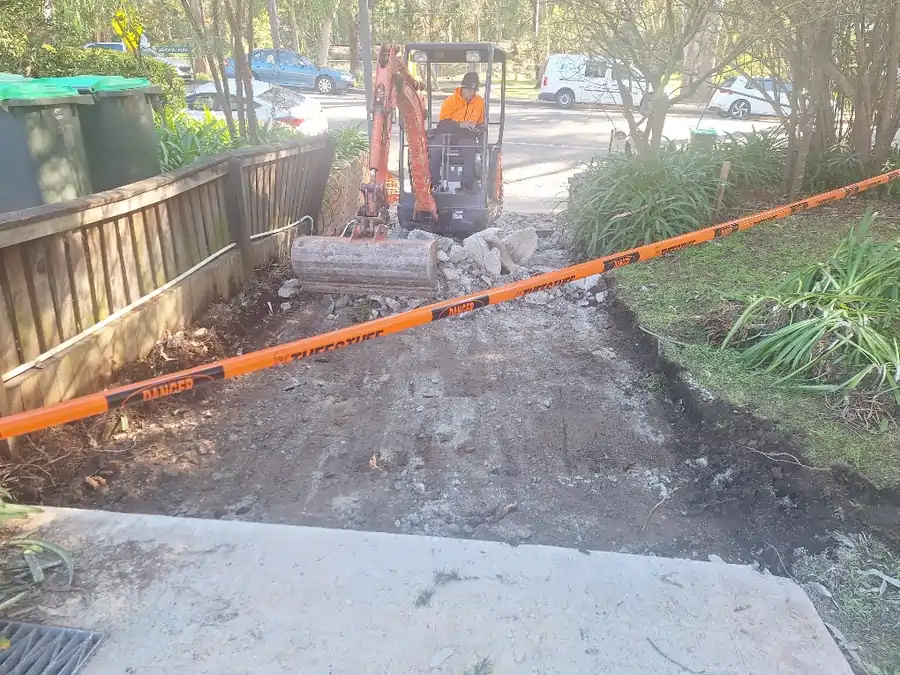
Relevant project evidence can help a client assess whether planning and coordination translated into a completed result. The examples below are genuine SCE civil work. They demonstrate delivery activity without suggesting that one project proves suitability for every design appointment.
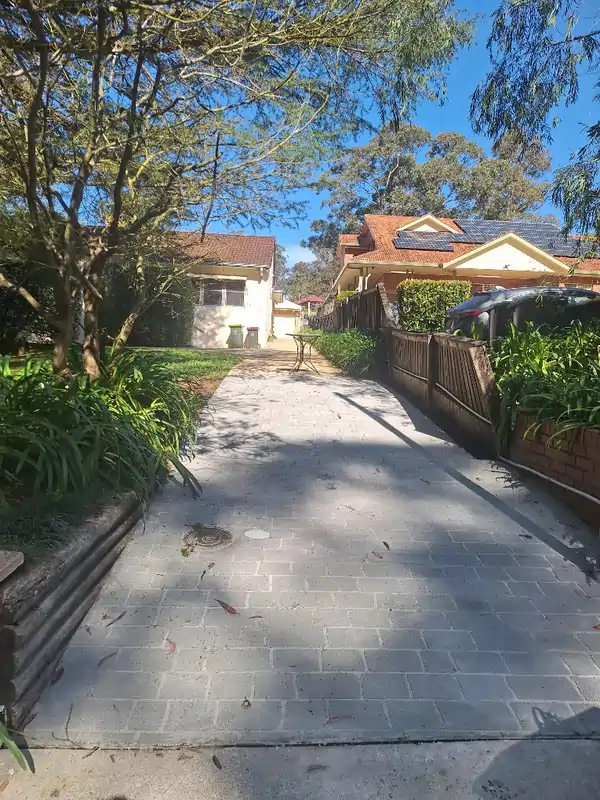
See the Normanhurst driveway replacement project for the project-specific context behind these images. Its documented bored-pier solution addressed loads near sensitive buried services. When comparing teams, ask how they would verify the service position, coordinate foundation and drainage design, and inspect the work before it is concealed. Assess the explanation and proposed evidence, not simply a portfolio photograph.
For subdivision-related planning, use the subdivision cost estimator and read the land subdivision guide. These resources do not replace project-specific investigation or advice.
Frequently asked questions
Identify the disciplines, investigations, assumptions, deliverables and review stages, then separate concept design, detailed documentation, construction support and handover. State included revision rounds, site attendance, authority responses and the basis for additional fees so proposals can be compared on the same scope.
Civil projects can involve clients, consultants, designers, reviewers, certifiers, registered practitioners, authorities and contractors. Recording each appointment and deliverable reduces ambiguity and helps prevent construction coordination from being mistaken for a separate professional responsibility.
The required information depends on the project, but it may include survey data, service information, condition evidence, geotechnical or drainage inputs, existing drawings, approvals, access constraints and the intended construction scope. Missing inputs should be identified rather than silently assumed.
Buildability review considers whether the proposed information can be implemented under the actual site, access, staging and sequencing conditions. It can identify interfaces, temporary requirements or information gaps while design options are still being developed.
No. SCE is NSW DBP registered, but the applicable obligations depend on the building, work type, project scope and practitioner roles. The project team should confirm the relevant statutory pathway for the specific work.
SCE provides integrated engineering and construction through its team and established multidisciplinary engineering relationships, including design-and-construct and EPC delivery. The project appointment defines disciplines, design deliverables, buildability input and construction responsibilities, with independent certification and statutory decisions assigned to the authorised parties.
For more evidence-led planning guidance, visit the SCE construction blog.
Define the next step
Send the site location, project objectives, available documents and required deliverables. SCE will review the engineering and delivery strategy, including scope gaps, construction constraints and the appointments needed to progress the project.