SCE construction role
For an accepted package, SCE can plan and deliver the agreed civil works, coordinate defined construction interfaces, maintain the required site records and provide package close-out information.

SCE Corp delivers platform resurfacing outside formal rail possession windows across Sydney and NSW, where the asset owner has authorised the work and access arrangements. We coordinate surface preparation, repairs, finishes and staged handback around passenger routes, existing assets and the network’s operating requirements.
Outside possession describes when an accepted work package is programmed, not unrestricted access to a platform or an assumption that construction can proceed beside operating rail services. Work timing, exclusion zones, isolations, permits, supervision, protection arrangements and handback requirements must be set by the responsible asset owner and appointed rail-safety parties.
SCE brings civil engineering experience, construction methodology, procurement and site delivery together for the agreed platform package. The delivery plan coordinates the appointed designers and specialists with the asset owner and network operator, incorporating their access, safeworking, acceptance and certification requirements.
For the broader service pathway, return to the Platform Resurfacing hub. If the scope requires a formal possession window, review platform resurfacing under possession.
The accepted scope can vary by platform condition, access window, issued design and asset-owner standards. Subject to those controls, construction activities may include:
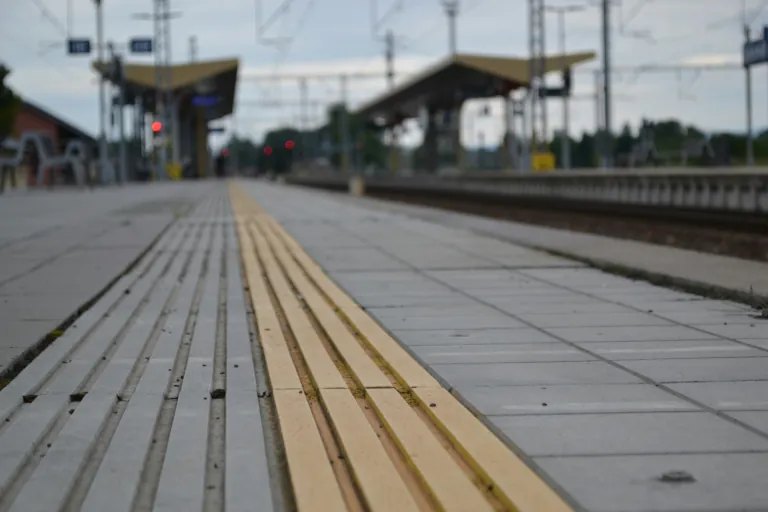
These images show general rail-platform environments only. They are not presented as SCE project evidence, site-specific conditions or an approved construction methodology.

Station experience applied to work beside passenger operations. Frank MANESH's career includes station refurbishment at Albion Park, Jannali and Gerringong, together with civil and underground-services work in rail corridors. That experience informs planning around access, existing assets and the practical sequence of construction.
For platform work outside possession, SCE uses the accepted access arrangements to plan work zones, deliveries, surface transitions and staged handback. The network's operating and safeworking requirements determine where and when work can occur, and are built into the construction programme from the outset.
For an accepted package, SCE can plan and deliver the agreed civil works, coordinate defined construction interfaces, maintain the required site records and provide package close-out information.
The responsible parties retain rail access authority, safeworking, network operations, design, technical acceptance, permits, isolations, testing, certification and asset-owner approvals where applicable.
A staged resurfacing plan needs to describe the condition of the platform between work periods, as well as the final finish. Agree the authorised work-zone boundary, passenger route, temporary transitions and delivery access before removing a surface. Include the time needed for preparation, material setting or curing, inspection and cleaning before the section is offered for handback.
Check how each stage meets existing edges, drains, tactile surfaces and adjoining entrances. An unresolved level or drainage interface can affect the next stage even when the current area looks finished. Record what is complete, what remains protected and who accepts the work area for use; reopening follows the asset owner’s agreed process.
SCE uses the available project information to determine whether the proposed outside-possession construction package is sufficiently defined and commercially suitable for review.
Assess the scope, design status, platform condition, access rules, work windows and interfaces.
Clarify inclusions, exclusions, responsibilities, inspection points, protection and handback needs.
Develop the accepted construction approach around authorised access and dependent rail controls.
Complete the agreed works and records within the confirmed package and site requirements.
Useful early information helps identify gaps before programme or commercial assumptions are made.
It means the proposed resurfacing package is planned outside a formal rail possession window. It does not create unrestricted access or remove asset-owner, rail safety, protection, permit, isolation or handback requirements.
That cannot be assumed. The asset owner and appointed rail-safety parties must determine whether, when and under what controls any work can occur near an operational rail environment.
Subject to the issued design and access controls, it may include condition verification, local removal, substrate preparation, defined repairs, resurfacing, interface coordination, inspections, housekeeping and close-out records.
Those responsibilities remain with the asset owner, network operator and appropriately appointed rail-safety, safeworking, design, certification and specialist parties. SCE does not assume those roles through a civil construction package.
Provide the location, scope summary, current drawings, platform condition information, asset-owner requirements, access proposal, nominated responsibilities, known safety controls, inspection needs, staging constraints and target dates where available.
The distinction is the approved access and programme environment. Under-possession work is planned within a formal possession; outside-possession work requires a separate accepted access pathway and must not be treated as unrestricted live-rail working.
SCE reviews suitable enquiries across Sydney and NSW, subject to the exact location, issued scope, access, responsible parties, safety requirements, programme and commercial fit.
Send the available scope, drawings, platform condition information, proposed access and target dates. We will identify the work stages, passenger and service interfaces, and outstanding decisions needed for a coordinated construction proposal.