Contained Scope
A clearly bounded work area, smaller quantities, limited work fronts and a defined sequence of civil activities.

Defined civil works for smaller or contained tunnel infrastructure packages
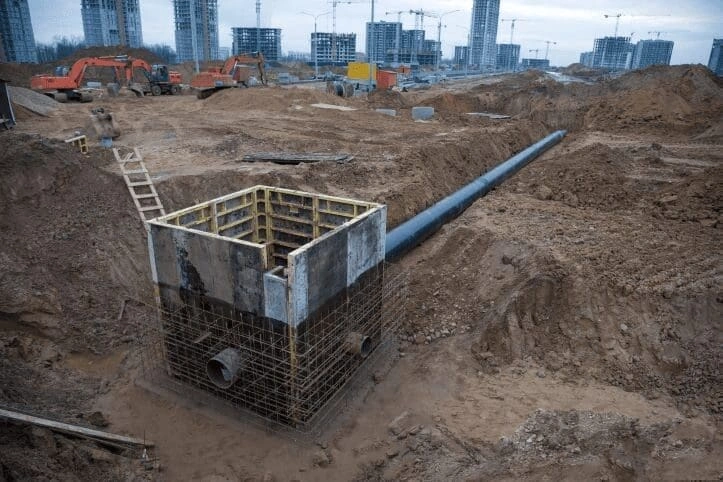
SCE Corp delivers smaller, contained civil works associated with tunnel infrastructure across Sydney and NSW. Our scope can cover access, excavation, concrete, drainage, utilities, hardstands, structural interfaces and reinstatement, with engineering, procurement and construction management matched to the agreed package.
Engineering and construction delivery
SCE can lead an agreed civil package from scope development and buildability planning through procurement, construction, inspection records and handover. Design-and-construct or EPC delivery can bring appropriately qualified designers, geotechnical advisers and specialist contractors into that team where the project requires them.
Tunnel design, ground support, temporary works and specialist excavation methods require clearly appointed, competent professionals. SCE coordinates those inputs with access, services, drainage and structural works; asset approvals and independent certification remain with the responsible authorities and certifiers.
The delivery plan sets out responsibilities, design information, access, programme, procurement, inspections and handover requirements before work begins. This keeps the civil works connected to the wider tunnel project.
Package classification
A minor package is generally more contained in scale, staging and civil interfaces than a major package. The label does not remove the need for issued design, geotechnical, temporary-works or specialist tunnelling responsibilities. Relevant characteristics may include:
A clearly bounded work area, smaller quantities, limited work fronts and a defined sequence of civil activities.
A limited number of interfaces with specialist tunnelling parties, existing services, structures, drainage or access arrangements.
Defined hold points, inspection requirements, records and handover obligations proportionate to the accepted civil package.
Larger or more complex enquiries may be better suited to Major Tunnel Construction. Classification is confirmed only after the available scope information is reviewed.
Potential civil package
The final construction boundary must follow the issued design, geotechnical and temporary-works requirements, asset-owner controls, access conditions, existing services, environmental constraints and nominated specialist interfaces. A suitable package may include:
This list is indicative only. No specialist tunnelling method, permanent design, testing authority, commissioning responsibility or regulatory approval is included unless it is expressly defined, supported and accepted in the contract scope.
Experience behind the delivery team
Frank MANESH brings career experience from the Redbank Tunnel Deviation, covering rock excavation, batters and access roads, and North West Rail Link station-box works involving bulk earthworks, shotcrete and rock excavation beneath a bridge. He applies that experience to methodology, sequencing and construction interfaces at SCE.
His Epping–Thornleigh rail-corridor experience adds stormwater pipelines, drainage pits, electrical conduits and under-line service crossings. These are specific civil-work examples from his wider career, with their scope described in the linked project record.
Review the Epping-Thornleigh stormwater civil works project.
Controlled review pathway
Identify the asset, site, procurement stage, intended work boundary and responsible design and specialist parties.
Review the issued scope, drawings, specifications, geotechnical information, access conditions and interface requirements supplied.
Connect the civil construction sequence with design releases, temporary works, specialist methods, approvals and inspection hold points.
Determine whether the package is sufficiently defined and commercially suitable for further discussion, clarification or pricing.
Responsible interfaces
The client, asset owner, appointed designers, registered practitioners, geotechnical advisers, temporary-works designers, specialist tunnelling contractors, utility authorities, certifiers and other responsible parties retain their allocated duties.
SCE manages the agreed civil interfaces through documented responsibilities, coordinated sequencing, inspections and completion records. Any additional design or specialist appointment is identified in the delivery scope.
Useful review inputs
Related pathways
Frequently asked questions
SCE delivers agreed civil packages associated with smaller or contained tunnel infrastructure, including access, excavation, earthworks, concrete, drainage, utility interfaces, hardstands and reinstatement. Engineering, procurement and construction management are planned around the site, design and asset-owner requirements.
Yes. Where included in the agreed delivery model, SCE can engage and coordinate appropriately qualified designers, geotechnical advisers and specialist contractors. Each specialist retains responsibility for their appointed design or method, while SCE integrates the inputs with procurement and civil construction. Asset approvals and independent certification remain with the responsible authorities and certifiers.
A package may be treated as minor when its civil scope, quantities, work fronts, staging and interfaces are comparatively contained and clearly defined. The label does not transfer design, geotechnical, temporary-works, specialist tunnelling, approval or certification responsibilities to SCE. Classification is confirmed only after the available information is reviewed.
Useful information includes the project location, issued drawings and specifications, geotechnical and existing-services information, access and staging constraints, civil quantities, specialist interfaces, environmental controls, hold points, handover requirements and procurement status.
The contract identifies the client, asset owner, SCE and specialist appointments. SCE can manage the agreed delivery package and coordinate specialist inputs; each designer, geotechnical adviser, specialist contractor and certifier remains accountable for their own appointed responsibilities.
Yes. SCE can plan and construct the agreed utilities, drainage and concrete interfaces, coordinating design information, service-authority requirements, inspection hold points and handover records. Testing, commissioning and certification responsibilities are stated in the project appointments.
No. SCE is NSW DBP registered, not “DBP certified”. The project documents and responsible practitioners determine which DBP obligations apply to a particular scope.
No. Suitability, programme, cost, safety controls and performance depend on the confirmed scope, issued design, site conditions, access, approvals, procurement, specialist interfaces and allocated responsibilities. No outcome is assumed or guaranteed.
Share your scope, available drawings, site information and access constraints. SCE will assess the delivery requirements and explain the engineering, procurement and construction support suited to your minor tunnel civil works.