
Road Widening Contractors Sydney NSW
Sydney Contracting Engineers delivers road widening and capacity-upgrade works for council, development and infrastructure projects across Sydney and NSW. Our construction capability covers pavement widening, earthworks, drainage, service interfaces, kerbs and staged traffic works, with the delivery method developed around the existing corridor and approved design.
SCE integrates engineering coordination, procurement, construction sequencing, inspections and quality records within its broader Civil Services capability. Design, certification, approval and road-authority decisions remain with the appropriately appointed parties unless a verified separate engagement states otherwise.
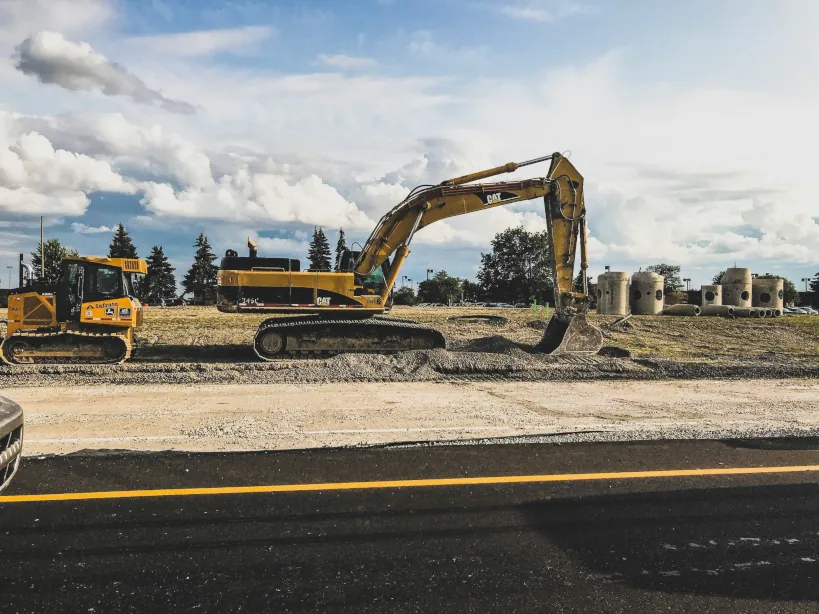
Existing-Corridor Review and Widening Scope
Adding width or capacity to an operating road requires the existing corridor to be understood before construction is planned. Relevant information can include survey, pavement investigation, geotechnical data, drainage records, utility plans, traffic requirements, adjoining access conditions and approved civil documentation.
The work may involve additional lanes, shoulders, turning areas, intersections, verge changes, kerb realignment or local capacity upgrades. SCE reviews available information for construction interfaces, missing inputs and scope fit. Project location and service availability can be discussed through SCE's service locations pathway.
Existing pavement condition, level differences and drainage behaviour can affect excavation depths, tie-in details, temporary transitions and the sequence required to protect completed work.
Property access, pedestrians, cyclists, public transport, emergency routes and adjacent businesses may influence staging and communication. Required operating conditions should be confirmed for the project.
Pavement, Drainage and Service Adjustments
The accepted package may include clearing, excavation, subgrade preparation, pavement layers, asphalt, kerbs, drainage extensions or modifications, pits, service adjustments, verge works, barriers, signage, line marking and reinstatement. Approved project information should address how the new work connects to the existing asset.
Utilities are a material risk in established corridors. Records should be reviewed and locating or investigation completed as required before excavation. Where relocation or protection forms part of the project, SCE can coordinate relevant underground services interfaces within the accepted construction scope.

Materials, pavement details, traffic arrangements, testing requirements and acceptance criteria are project-specific. This page does not replace approved design, authority conditions, utility requirements, consultant advice or independent certification obligations.
Traffic Staging and Access Management
Road widening experience in operating corridors. Farshid MANESH's career includes the Terrigal Drive upgrade, covering community liaison, property adjustments, staged construction, utility relocations, earthworks, drainage and traffic-related infrastructure. Frank MANESH brings experience from the Barton Highway–Kaveneys Road widening and Mulgoa Road works under live traffic.
SCE applies these lessons to the practical connection between the new pavement and the existing corridor: access, temporary arrangements, drainage, services and staged traffic changes. Early coordination helps identify constraints before they affect construction or adjoining properties.
Road widening can require several temporary states before the final alignment is available. A project-specific sequence may include investigations, temporary pavement, barriers, lane shifts, service adjustments, drainage, earthworks, pavement construction, tie-ins, surfacing and line marking.
Traffic volumes, approved work windows, property access, public interfaces, weather, service outages, testing and authority inspections can affect delivery. Traffic-control plans, road-occupancy requirements and permits must follow the applicable approval process. SCE coordinates construction activities within those requirements once they are confirmed.
Check Drainage And Property Access At Each Widening Stage
The final road design does not, by itself, show how every intermediate work stage will drain or how each driveway will connect while levels change. Review the temporary flow paths, pit access and property transitions before shifting kerbs, opening excavations or moving traffic onto a partly completed section.
The strip being widened can also contain different ground, old service trenches and less room for plant than the existing carriageway. Investigation and the approved pavement tie-in details need to address those conditions. Construction planning should confirm access for preparation, compaction and testing at the old-to-new interface.
These checks connect the property-adjustment, utility and pavement packages. Resolve the sequence and temporary arrangements with the relevant designers, service owners and traffic-management team before closing out work that the next stage still needs to reach.
Quality Records and Handover
Quality documentation may include survey checks, proof-rolling or compaction results, pavement material certificates, asphalt and concrete records, drainage inspections, utility records, photographs, non-conformance closeout and as-built information provided by the responsible parties.
The contract and approved specifications determine the evidence and acceptance criteria that apply. SCE's documented construction controls are outlined in the SCE System, supported by the company's verified certifications and credentials. Consultant certification, authority acceptance and supplier documentation remain with the relevant parties.
Related Road and Civil Services
This service sits within SCE's road construction services and the broader road, highway, bridge and dam capability. A new alignment or development road should follow the separate new road construction pathway. Repair and upkeep requirements can be reviewed through road maintenance.
Broader proof navigation is available through SCE's civil infrastructure projects. This link does not imply that every listed project contains the same widening scope.
Frequently Asked Questions
What information is needed to assess road widening works?
Provide the site address, survey, approved civil drawings, pavement and geotechnical information, drainage and service records, traffic requirements, access constraints and intended programme. SCE can then review construction interfaces, missing inputs and scope fit.
What can a road widening package include?
The agreed package may include excavation, pavement widening, drainage modifications, kerbs, service adjustments, verge works, temporary pavement, barriers, surfacing, signage, line marking and reinstatement. The final scope depends on the approved design and site conditions.
Who is responsible for design, approvals and certification?
Responsibilities depend on the contract and project appointments. Designers, registered practitioners where applicable, consultants, certifiers, utility owners and authorities remain responsible for their respective work. SCE constructs and coordinates the accepted scope unless a verified separate engagement states otherwise.
How are traffic and access managed during road widening?
Arrangements are developed for the specific corridor and may include lane shifts, temporary pavement, restricted work windows, barriers, work-zone separation and stakeholder communication. Required traffic plans, permits and road-occupancy arrangements must be approved through the applicable process.
What affects the construction programme?
Programme factors can include design readiness, approvals, traffic staging, utility relocation, ground conditions, weather, materials, testing, inspections and access restrictions. A project-specific sequence can be developed once those constraints are confirmed.
What records can support road widening handover?
Depending on the approved scope, records may include survey checks, compaction and material results, asphalt and concrete records, drainage and utility inspections, photographs, non-conformance closeout and as-built information. Required consultant, supplier and authority documents remain the responsibility of the relevant parties.
Request a Project Suitability Review
For an initial review, provide the site address, approved drawings, survey and investigation records, traffic and access requirements, service information and programme constraints.