
New Road Construction Sydney NSW
Sydney Contracting Engineers delivers new road construction for council, development and infrastructure projects across Sydney and NSW. Our capability covers site establishment, earthworks, drainage, pavement construction, kerbs, service interfaces and finishing works, with the scope and delivery sequence developed around each project.
SCE brings engineering, design coordination, procurement and construction management together to resolve buildability and sequencing before and during delivery. This service sits within SCE's broader Civil Services capability. The project appointments identify the responsible designers, certifiers and approval authorities, alongside SCE's construction and management responsibilities.
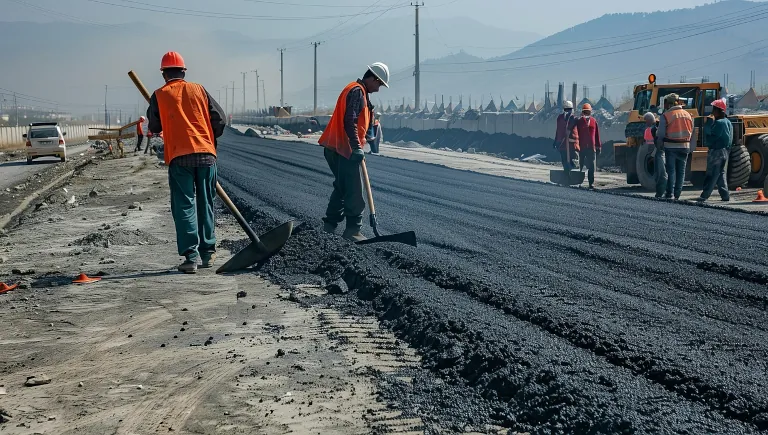
New Road Scope and Construction Readiness
New roads may form part of a subdivision, public infrastructure programme, industrial development, private estate or access upgrade. The construction response depends on the approved alignment, intended traffic use, ground conditions, drainage strategy, adjoining land, utility requirements and tie-ins to existing networks.
An initial review should include the site address, survey, approved civil drawings, geotechnical and pavement information, drainage documentation, service plans, environmental requirements, authority conditions and the intended programme. SCE reviews these inputs for scope fit, buildability and information gaps before reliable pricing or mobilisation. Project location and service availability can be discussed through SCE's service locations pathway.
Greenfield work may need to coordinate bulk earthworks, stormwater, services and staged access across a larger site. Sequencing should protect completed works from damage caused by later activities.
Connections to existing roads or occupied areas may require approved traffic arrangements, restricted work windows, temporary access and communication with affected stakeholders.
Earthworks, Drainage and Pavement Construction
The accepted package may include clearing and site establishment, cut and fill, subgrade preparation, stabilisation where specified, stormwater drainage, pits and pipes, kerbs, subbase and basecourse, asphalt or other surfacing, signage, line marking and associated reinstatement.
Road performance depends on the complete construction system rather than the surface alone. Ground preparation, moisture control, compaction, drainage falls, service crossings and pavement interfaces should be delivered and checked against approved information. Where utility installation or relocation forms part of the project, SCE can coordinate relevant underground services interfaces within the accepted scope.

Materials, pavement thicknesses, testing frequencies and acceptance criteria are project-specific. This page does not replace the approved design, specification, authority requirements, geotechnical advice or independent certification obligations.
Services, Access and Traffic Interfaces
Construction planning should coordinate access for workers, plant, deliveries, adjoining properties and emergency services. Connections to an active road may require an approved traffic-control approach, temporary arrangements and staged tie-ins. Environmental and erosion controls should remain effective throughout earthworks, drainage and pavement activities.
Service locating, protection, relocation and new crossings can affect both sequence and cost. The allocation of responsibilities between the client, designers, authorities, utility owners, contractors and certifiers should be confirmed before work starts. Existing corridors that require additional width or capacity should follow SCE's separate road widening pathway.
Staged Delivery and Quality Records
Check Each Stage Before It Is Covered
Agree the inspection points and release responsibilities before work begins. Subgrade, drainage and service crossings need their specified checks and records before the next layer conceals them. Survey levels, material identification, compaction results and any required drainage tests should be traceable to the relevant work area.
If excavation exposes unsuitable ground or an undocumented service, establish its extent, obtain the required technical direction and agree the scope response before continuing over it. The resulting change may affect drainage, pavement levels, quantities or the construction sequence as well as the immediate repair.
Plan Construction Traffic And Final Tie-ins
A completed pavement layer may still carry construction deliveries before the development is finished. Plan how it will be protected, inspected and reinstated, and when the final surface and tie-ins should be completed. This helps the client distinguish an interim construction route from a road ready for its intended use and formal acceptance.
Road construction experience behind SCE. Frank MANESH's career includes Schofields Road Stage 3, with a four-lane divided road, twin bridges, road extensions and underground services. Operations Director Farshid MANESH brings road and subdivision experience covering drainage, utilities, earthworks and flexible and rigid pavements.
For a new road, SCE applies that experience to the sequence from ground preparation and drainage through pavement construction and completion. Procurement, services interfaces, access and inspection records are planned together so each stage is ready for the next.
A project-specific sequence may cover early investigations, site establishment, earthworks, drainage, service coordination, subgrade and pavement layers, kerbs, surfacing, finishing works, testing and handover. Design readiness, approvals, unsuitable ground, service relocations, weather, material supply, inspection hold points and work restrictions can materially affect the programme.
Quality documentation may include survey checks, geotechnical and compaction results, material certificates, asphalt and concrete records, drainage inspections, service records, photographs, non-conformance closeout and as-built information provided by the responsible parties. SCE's documented delivery controls are outlined in the SCE System.
Handover may also require consultant certification, authority acceptance, maintenance information or other evidence that is not produced by the contractor. Approval and certification remain with the responsible parties. Longer-term repair and upkeep requirements can be considered through SCE's road maintenance pathway.
Related Road and Civil Services
New road work sits within SCE's road construction services and broader road, highway, bridge and dam pathway. The final relationship between earthworks, drainage, services, pavement and adjoining infrastructure depends on the approved design and procurement scope.
Relevant SCE evidence is grouped under Civil Infrastructure Projects. This provides general project evidence and does not imply that every displayed project has the same road scope or outcome. Before an enquiry proceeds, clients can also review SCE's current certifications and credentials; their relevance depends on the project and applicable requirements.
Frequently Asked Questions
What information is needed to assess a new road project?
Provide the site address, survey, approved civil drawings, geotechnical and pavement information, drainage and service plans, environmental requirements, access constraints and programme. SCE can then assess buildability, missing inputs and scope fit.
What can a new road construction package include?
The accepted package may include site establishment, earthworks, subgrade preparation, drainage, utility coordination, kerbs, pavement layers, surfacing, signage, line marking and reinstatement. The final package depends on the approved design and allocation of responsibilities.
Who is responsible for design, approvals and certification?
Design, approval and certification responsibilities remain with appropriately appointed practitioners, authorities and project parties. SCE coordinates construction against approved information and provides the records allocated to its accepted role.
What factors affect new road construction pricing?
Pricing depends on quantities, ground conditions, materials, drainage and service interfaces, traffic requirements, access, staging, testing, environmental controls and design completeness. A reliable proposal requires project-specific information rather than a generic cost per kilometre.
What affects the construction programme?
Programme factors can include approvals, design readiness, utility coordination, earthworks balance, unsuitable ground, weather, material supply, traffic staging, testing and inspections. SCE develops the sequence after the relevant constraints are known.
How are environmental, traffic and safety controls addressed?
Controls are developed for the approved scope and may include erosion and sediment measures, dust and noise controls, work-zone separation, traffic arrangements, access management and inspection requirements. Applicable plans and approvals must be confirmed for the project.
Request a Project Suitability Review
For an initial suitability review, provide the site address, approved civil documents, geotechnical and service information, access constraints, programme and procurement requirements.