Match skills to scope
Define the work fronts, plant, tolerances, interfaces and hold points before confirming the workforce mix.

The right civil workforce does more than supply labour. It connects the approved scope, site conditions, plant, supervision, quality controls and construction sequence so each work front can progress safely and efficiently.
For SCE’s construction delivery capabilities, start with the Civil Services hub. This guide focuses on the distinct workforce question: what clients and project teams should confirm when selecting and coordinating skilled civil workers for infrastructure work across NSW.
Civil projects rely on people who can understand the work package, follow the approved construction information and communicate changing site conditions early. The required mix may include personnel experienced in excavation support, drainage, concrete placement, underground services, road and pavement work, retaining structures, plant operations and site logistics.
Experience must be matched to the task. A worker who is effective on bulk earthworks may need different competencies from a crew completing detailed drainage, service interfaces or concrete finishing. Plant tickets, licences, inductions and task-specific competency records should be checked against the project requirements before mobilisation.
Define the work fronts, plant, tolerances, interfaces and hold points before confirming the workforce mix.
Coordinate access, survey, services, materials, inspections and other trades so crews are not working around avoidable constraints.
Confirm inductions, competencies, supervision, safe work controls and approved information before work begins.
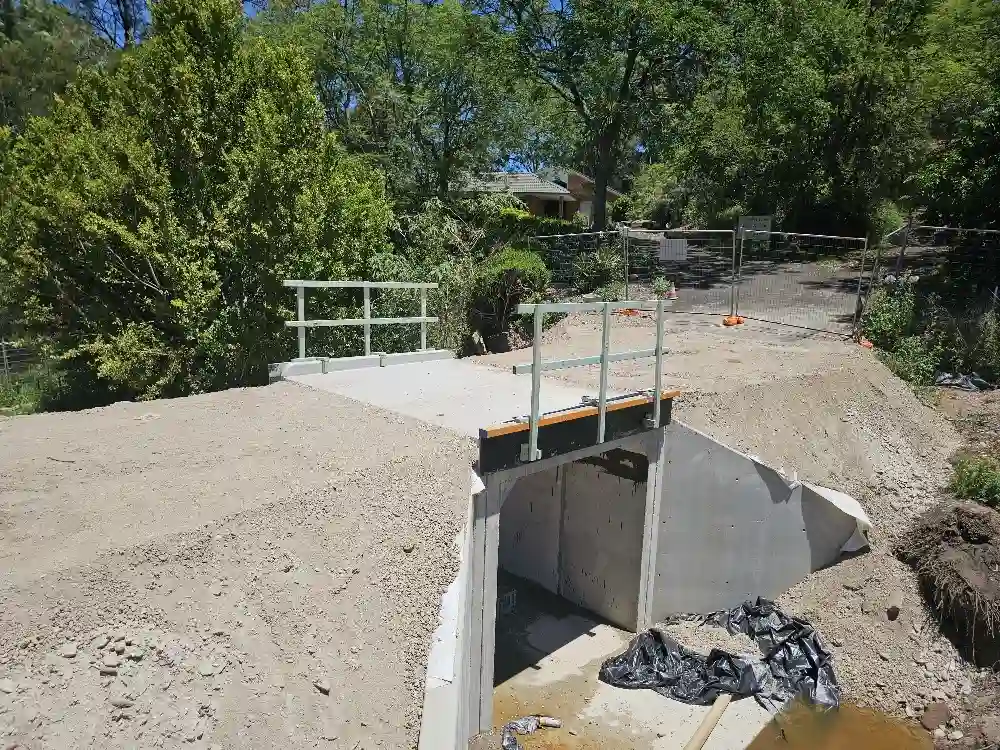
Match the crew to the next construction stage. SCE’s Emu Heights bridge reconstruction progressed through temporary access and groundwater management, screw-pile foundations, reinforced-concrete work, twin precast culverts, wing walls and backfilling. These documented stages illustrate why excavation, concrete, lifting and finishing activities require different combinations of skills, plant and supervision as the work progresses.
A useful workforce plan starts with the approved scope and construction sequence rather than a headcount. It should identify who is responsible for each work front, what evidence is needed before release, and how field information will be escalated when conditions differ from the documents.
For packages involving excavation, concrete and service interfaces, review SCE's earthworks, concreting and underground services pathway.
Before appointing or mobilising a civil workforce, confirm the controls that are material to the project:
A strong mobilisation process also checks availability against the programme. Adding people after a delay has occurred does not automatically recover time if access, approvals, materials or downstream interfaces remain unresolved. Before adding a crew, identify the actual constraint, the work area available and whether plant, supervision and inspection capacity can support another team. If a worker or supervisor changes, confirm task competency and brief the replacement on current drawings, site conditions and open hold points; attendance alone does not establish readiness.
Share the location, current scope, programme, available drawings and known constraints. SCE can review the delivery requirements, identify the civil capabilities needed and help define a practical next step.
Contact SCE about a civil projectConfirm experience relevant to the exact work package, required licences or tickets, task competency, site induction, supervision, safe work controls and access to the current approved construction information.
A civil workforce is selected for defined construction tasks and site interfaces. The required experience may include excavation, drainage, concrete, underground services, roadwork, plant operation, survey coordination or quality hold points.
The project should nominate clear supervision and reporting responsibilities for each work front. The appropriate structure depends on the contract, risk profile, work activities and any regulated roles that apply.
Requirements depend on the plant and task. Before mobilisation, verify the licences, high-risk work credentials, competency evidence and site-specific authorisations required by the work package.
Identify what is preventing the next activity before adding labour. Check work-area access, current drawings, services, materials, plant, supervision and inspection availability. Match crews to the released construction stage, and brief any replacement personnel on the current conditions and open hold points. Escalate changes early so the sequence can be reviewed.
Yes. SCE delivers construction and engineering services through its qualified team and established multidisciplinary engineering relationships, including design-and-construct and EPC delivery. Project-specific appointments define design and review responsibilities; independent certification and regulated declarations remain with the appropriately qualified or registered practitioner.