
By Sydney Contracting Engineers (SCE Corp) · Last reviewed 7 November 2026
Windows leaking when it rains do not always require complete window replacement. Water visible at a sill or reveal may originate within the window, around its installation or elsewhere in the surrounding wall. The repair should follow the water path that evidence supports.
From a safe position, protect affected furnishings if practical and record the opening and weather conditions. Keep clear of water near electrical equipment, unstable materials or unsafe external access, and arrange the appropriate urgent assistance. Temporary protection does not establish the cause: repeatedly sealing visible joints can leave the source unresolved and make later investigation harder.
What should I do if my windows are leaking when it rains?
Identify the room, elevation and opening, with photographs showing both the wider location and the affected detail. Note when water first appears, the weather conditions, where it is first visible and any previous repairs. Record whether nearby walls or ceilings are also affected.
Keep observations separate from conclusions. A stain below the window establishes where moisture became visible; it does not prove that the nearest joint is the entry point. Where water creates an electrical or other immediate hazard, arrange the appropriate urgent response.
Examine the window and its installation together
The investigation may need to consider the frame, operable components, glazing arrangement, drainage provisions, perimeter connection and adjoining wall. Ask which elements can be checked safely without opening finishes and where further access is needed.
The Australian Glass and Window Association selection guide addresses installation and flashing as part of window performance. Product selection alone does not establish how the opening connects to the building’s weather-management layers.
Why do windows leak from the top when it rains?
Water appearing above a frame may come through a failed head flashing, the perimeter connection, surrounding cladding or masonry, or a defect higher on the wall. It can travel through concealed layers before becoming visible. The investigation should check the window and connected façade together and isolate the suspected entry path before deciding whether to reseal, repair the wall interface or replace the window.
Investigate the surrounding façade
Consider connected cladding or masonry, flashings, penetrations, balcony interfaces and the area above the opening. Existing drawings and installation photographs may help explain concealed details. If those records are absent, identify that limitation rather than assuming a standard arrangement.
Where controlled testing is proposed, ask for a method that isolates questions and records conditions and results. Uncontrolled hosing can introduce water through multiple routes and produce misleading evidence. Testing should be planned and undertaken by competent people for the actual building.
Choose a repair boundary from the findings
A local repair may be appropriate where the failed element and surrounding condition are established. A broader opening or wall repair may be needed where the interface is defective. Window replacement may be justified where the unit or overall arrangement cannot meet the required outcome.
- State the identified cause and supporting evidence.
- List the components to retain, repair or replace.
- Identify how the new work connects to retained elements.
- Record uncertainties and the response if they are encountered.
- Define inspection and testing before finishes conceal the work.
If replacement is selected, continue with SCE’s strata window replacement planning guide for opening schedules, procurement, access and handover.
Coordinate access and strata decisions
In an apartment building, the investigation can involve access inside a lot and outside the façade. Confirm the authority for work, resident arrangements and the relevant property records. Technical source identification and legal responsibility are separate questions; obtain the appropriate strata or legal advice where responsibility is disputed.
Arrange protection for furnishings and finishes, and document any temporary measures. A temporary seal or covering should have its purpose and limitations recorded so it is not mistaken for an accepted permanent repair.
On SCE’s Balmain apartment cladding project, balcony geometry and scaffolding-approval constraints led to rope access with a protective gantry. Window investigations also need the external access method resolved before testing and repair work are priced; one access system will not suit every façade.
Will insurance cover a window leak?
Cover depends on the cause of the damage, the policy wording, exclusions and the insurer’s assessment. Keep dated photographs, weather and leak records, previous repair details and the investigation findings. Ask the insurer to confirm what work is authorised and what is covered; an inspection report or repair quotation does not itself establish policy cover. In a strata building, also check the building policy and relevant property records.
Our strata and insurance repair questions explain how reports, approvals and repair scopes fit together.
Verify the repaired opening
Agree what inspections, tests or subsequent observations will support completion. Retain the detail, products, photographs, test record and any limitations. Update the building’s maintenance information where components or access requirements have changed.
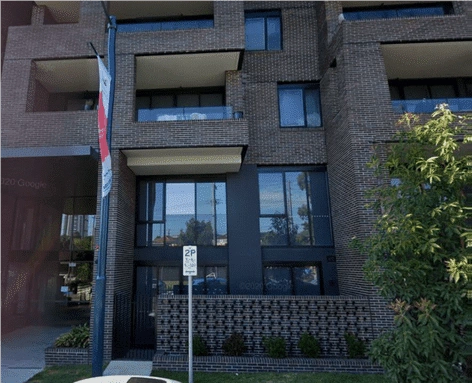
SCE’s façade portfolio provides evidence of connected envelope construction. SCE combines building and engineering expertise to investigate the opening, design the repair, procure compatible materials and complete the construction, testing and handover. We include the required certification and practitioner responsibilities in the scope, preserving any independence required for statutory certification.
Request a Window Leak Investigation with the opening locations, weather history, photographs and available building records.
Frequently asked questions
Our water-ingress investigation questions explain the decisions behind finding the source and planning a targeted repair.
Does water at the sill prove the window needs replacement?
No. The source may be within the unit, its installation or the surrounding façade. Investigate the path before selecting the repair.
Can I keep adding sealant around the frame?
A sealant repair should address an identified defect and suit the designed assembly. Repeated surface sealing without diagnosis can leave the source unresolved.
Who decides responsibility in a strata building?
Review the strata plan, by-laws, records and circumstances with the appropriate advisers. Identifying the technical cause does not alone determine legal responsibility.
What should be checked after repair?
Use the agreed inspection, testing or observation requirements and retain the repair detail, product information and identifiable completion evidence.
Why do windows leak from the top when it rains?
Water appearing above a frame may come through a failed head flashing, the perimeter connection, surrounding cladding or masonry, or a defect higher on the wall. It can travel through concealed layers before becoming visible. The investigation should check the window and connected façade together and isolate the suspected entry path before deciding whether to reseal, repair the wall interface or replace the window.
Will insurance cover a window leak?
Cover depends on the cause of the damage, the policy wording, exclusions and the insurer’s assessment. Keep dated photographs, weather and leak records, previous repair details and the investigation findings. Ask the insurer to confirm what work is authorised and what is covered; an inspection report or repair quotation does not itself establish policy cover. In a strata building, also check the building policy and relevant property records.