Civil construction
The construction discipline that delivers physical civil assets and site infrastructure. It brings together labour, plant, materials, sequencing, site controls and coordination with the project team.

Civil construction guide · NSW
Civil construction, civil works and infrastructure development are related terms, but they describe different levels of a project. This practical guide explains the boundaries, common scopes and delivery questions to clarify before work begins.
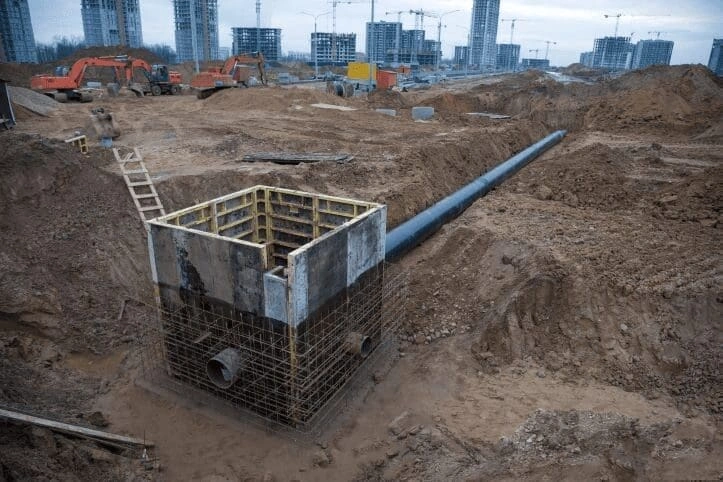
Start with the project level
Civil construction is the practical delivery of physical works that support land, buildings, transport, utilities and community infrastructure. Civil works are the defined construction packages within that delivery. Infrastructure development is broader again: it can include planning, approvals, design, procurement, construction, commissioning and ongoing asset considerations.
Usage varies between clients and contracts; the labels alone do not establish a legal scope or divide professional responsibilities. Use these distinctions to organise the brief, then confirm what the actual appointment includes. A clear brief identifies the physical work, the interfaces with consultants and authorities, and the evidence required at each stage.
Scope comparison
A practical subdivision example: SCE’s Mount Colah project combined earthworks, retaining walls, stormwater, sewer relocation, underground services and a suspended driveway. These were the civil works packages; coordinating and building them was civil construction. The wider land-development process also involves decisions about planning, subdivision and future use. Completing a physical package does not, by itself, complete every approval or registration step.
The construction discipline that delivers physical civil assets and site infrastructure. It brings together labour, plant, materials, sequencing, site controls and coordination with the project team.
The specific packages to be delivered, such as excavation, stormwater drainage, pavements, concrete elements, utility trenches, retaining interfaces or site preparation.
The wider process that establishes or upgrades infrastructure. Construction is one delivery phase within a programme that may also involve feasibility, design, approvals, procurement and commissioning.
Typical delivery packages
The exact package depends on the site, approvals, design documentation and interfaces. Common civil-work categories include:
Clearing within the approved scope, excavation, filling, grading, working platforms and preparation for later construction stages.
Pipelines, pits, channels and related drainage infrastructure delivered to the approved design and coordinated with existing services.
Trenching, service corridors, protection measures and coordination around water, sewer, power, communications or other utilities.
Road and hardstand preparation, kerbs, paths, slabs, foundations and other civil concrete elements within the defined package.
Explore SCE’s broader civil construction services. Where an existing building or concrete asset requires repair rather than new civil infrastructure, the relevant pathway may instead be concrete remedial services.
Planning and procurement
Define inclusions, exclusions, quantities, staging, temporary works, hold points and handover evidence. Avoid relying on a broad label such as “civil works” without a measurable scope.
Record the appointed designer, certifier, consultants, authority contacts, principal contractor arrangements and any registered-practitioner responsibilities that apply.
Identify existing services, access, neighbours, traffic, environmental controls, building works, programme dependencies and approvals before sequencing the construction package.
Project evidence
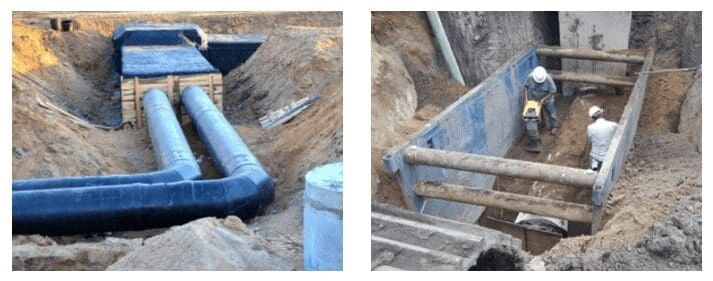
The Epping–Thornleigh record documents Frank MANESH’s earlier career experience with stormwater pipelines, drainage pits, excavation and underground-service interfaces. This experience supports the practical engineering and construction judgement he brings to SCE’s current projects.
Review the Epping–Thornleigh stormwater civil works project, or browse the wider civil infrastructure project collection.
Frequently asked questions
Civil construction is the practical delivery of physical works that support land, buildings, transport, utilities and community infrastructure. It can involve earthworks, drainage, pavements, concrete elements, underground services and coordination with the wider project team.
A useful distinction is that civil construction describes the delivery discipline, while civil works identifies packages such as excavation, drainage, utilities and pavements. Usage varies between clients and contracts, so the drawings, scope and appointments—not the label alone—determine what is included.
Infrastructure development is broader than construction. It may include feasibility, planning, approvals, design, procurement, construction, commissioning and ongoing asset considerations. Civil construction is one delivery phase within that wider process.
A civil package can include site preparation, earthworks, stormwater drainage, underground-service interfaces, pavements, kerbs, paths, foundations and other civil concrete elements. The approved design, site conditions and contract documents determine the actual scope.
Engage a civil contractor when the physical delivery scope is sufficiently defined to discuss methodology, programme, interfaces, access, temporary works and pricing. Early contractor input can help identify construction constraints, but it does not replace the work of appointed designers, certifiers or approval authorities.
Responsibilities follow the project requirements and appointments. SCE delivers construction and engineering services, including design-and-construct and EPC packages supported by established multidisciplinary engineering relationships. Appointed designers carry the defined design duties; independent certification and statutory approvals remain with the relevant certifiers and authorities.
Use current drawings, specifications and approvals to define inclusions, exclusions, quantities, staging, interfaces, hold points, testing, records and handover requirements. Clearly identify assumptions, allowances and responsibility boundaries before work begins.
SCE’s Mount Colah subdivision project records earthworks, retaining walls, drainage, sewer relocation, underground services and a suspended driveway. The civil infrastructure collection provides further examples. The Epping–Thornleigh record describes Frank MANESH’s earlier career experience, which supports his leadership of current SCE projects.
For more planning and construction guidance, visit the SCE construction blog.
Plan the next step
Share the current scope, drawings, location, programme and known project interfaces. SCE can review the construction package and clarify the information needed for a practical delivery discussion.