Road and pavement works
Road packages can combine earthworks, subgrade treatment, drainage, pavement layers, kerbs, access and traffic staging. The Roads, Highways, Bridges and Dams hub provides the relevant service pathway.

NSW civil infrastructure guide
Road, bridge, drainage and utility works rely on clear scope, current information and controlled interfaces. This guide outlines practical coordination points for NSW clients and project teams while directing service enquiries to SCE's established civil construction pathways.
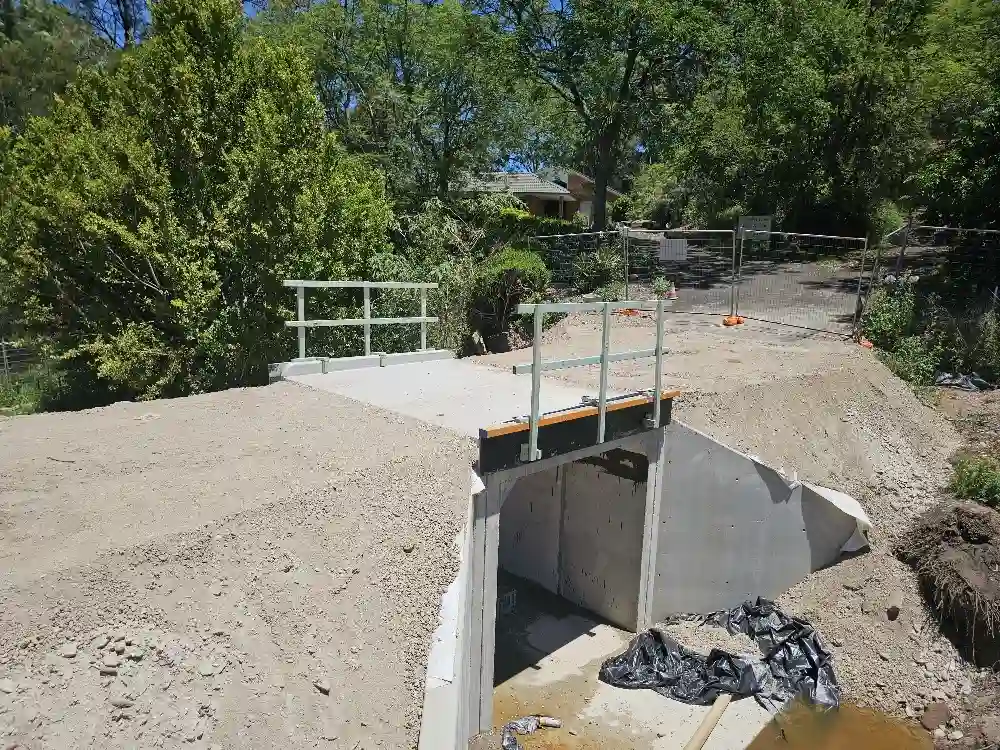
Project scope before delivery
Civil infrastructure supports the movement of people, water, services and materials. Depending on the project, construction packages can involve earthworks, pavements, bridges, culverts, stormwater assets, underground services and interfaces with existing roads or operating sites.
The exact scope is project-specific. Drawings, specifications, authority requirements, service information, site conditions, access and staging must be reconciled before affected work proceeds. Explore SCE's Civil Services to discuss a civil construction project and the delivery support it requires.
Connected construction packages
Road packages can combine earthworks, subgrade treatment, drainage, pavement layers, kerbs, access and traffic staging. The Roads, Highways, Bridges and Dams hub provides the relevant service pathway.
Bridge and culvert delivery can involve temporary access, foundations, precast elements, concrete, water management, approaches and reinstatement. Review SCE's dedicated Bridge Construction service.
Stormwater, water, sewer and utility packages depend on levels, clearances, connection points, service investigations and authority coordination. Explore Earthworks, Concreting and Underground Services and the specific Underground Services pathway.
SCE delivers integrated civil engineering and construction through its team and established multidisciplinary engineering relationships. Design-and-construct and EPC scopes can combine engineering, procurement, temporary works planning and site delivery. Independent certification, utility-authority decisions and statutory approvals retain their designated responsibilities.
Control the interfaces
A boundary on a contractor’s scope drawing must also work as a physical connection. For each road, culvert or service interface, record the location, agreed level or alignment, design revision and the party responsible on each side. Include the date the adjoining work must be ready and the evidence needed before it is connected or covered.
For example, a completed road pavement may still depend on an unfinished drainage outlet or a utility crossing. Schedule the connection, inspection, testing and reinstatement together. Confirm who maintains temporary access or drainage during the gap between packages and who can authorise an operational change. An asset being installed and an asset being accepted for use are separate programme milestones.
Identify the physical work package, current documents, approvals, exclusions, service records and parties responsible for outstanding decisions. Record discrepancies rather than building around assumptions.
Test the proposed sequence against plant access, temporary conditions, traffic, environmental controls, live services, adjacent assets and operating-site requirements.
Align methodology, inspection and test plans, survey requirements, material records, witness points and escalation routes with the accepted project requirements.
Collect the specified inspection results, survey information, test records, approvals and completion evidence. Refer declarations and certification to the appointed parties.
SCE projects and team career experience
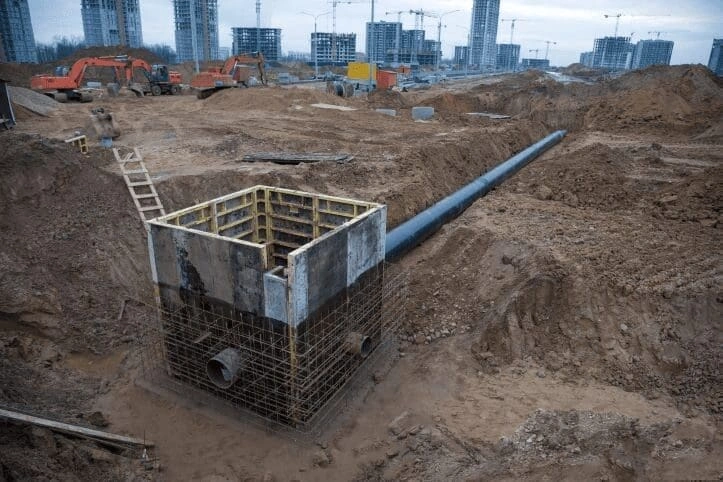
The Emu Heights crossing is completed SCE work. Epping–Thornleigh illustrates Frank MANESH’s wider career experience in stormwater and utility works within a rail interface. Both help explain complex delivery capability, with the company and personal career records identified separately.
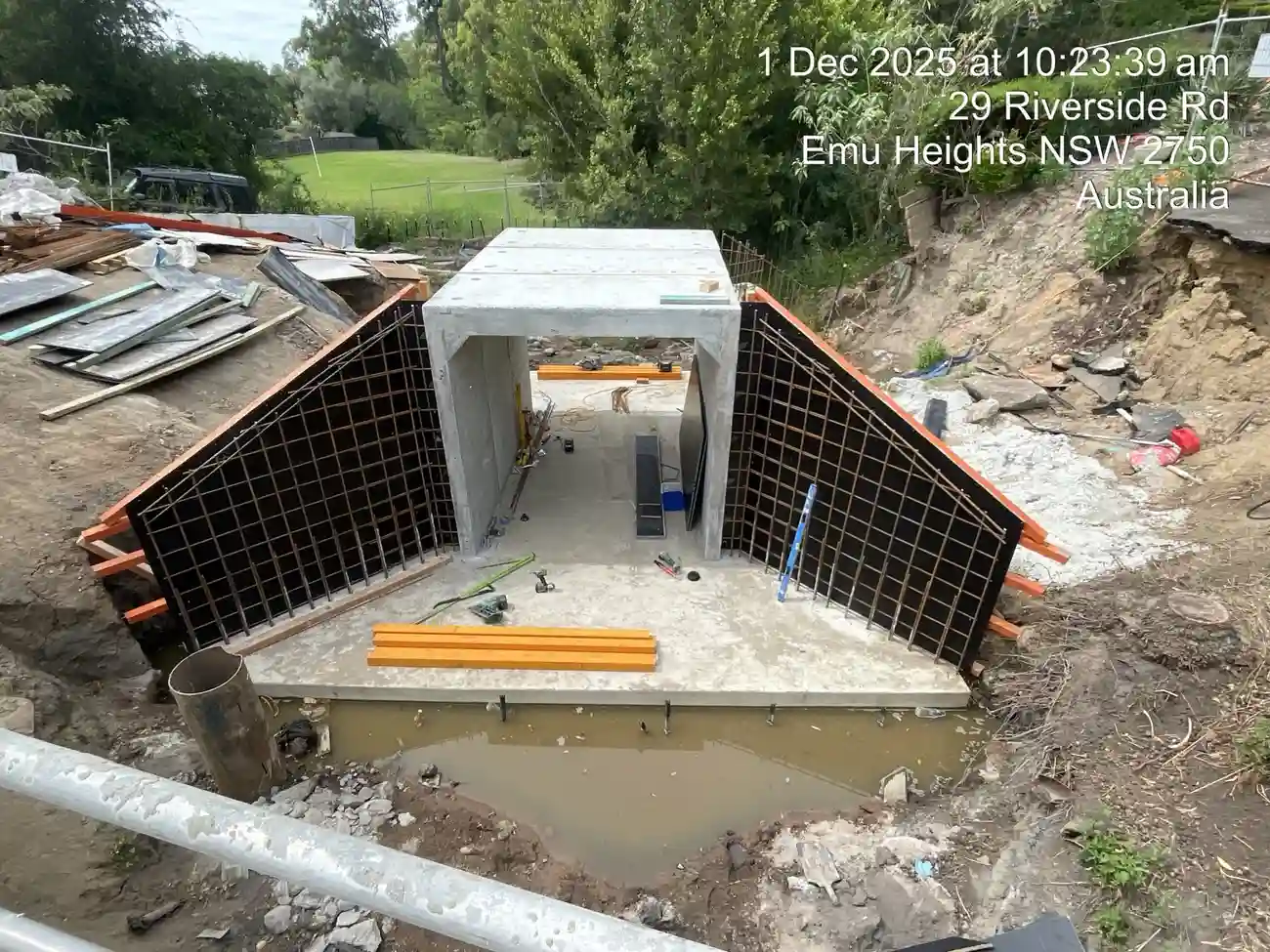
Review the Emu Heights bridge reconstruction for the documented screw-pile foundations, concrete base, precast culverts, wing walls and backfilling sequence. Groundwater and temporary access affected the works, making the interfaces between the crossing structure, water management and approaches central to delivery.
Review the Epping-Thornleigh stormwater civil works from Frank MANESH’s wider career, including drainage, electrical conduits and rail utility interfaces, then browse SCE's Civil Infrastructure Projects collection.
Early planning and next steps
For a defined civil construction requirement, begin with Civil Services and provide the available project information, location and requested scope.
For early land-development planning, use the Subdivision Cost Estimator and read the NSW subdivision guide. These resources do not replace project-specific advice or investigations.
Browse Civil Infrastructure Projects for relevant delivery evidence or visit the SCE Blog for supporting construction guidance.
Frequently asked questions
Civil infrastructure construction covers physical works that support transport, water, drainage, utilities and land development. The exact scope can include earthworks, pavements, bridges, culverts, stormwater systems and underground services, subject to the project brief and contract.
The scope should identify the work package, issued information, service investigations, approvals, access constraints, staging, interfaces, hold points and responsibility boundaries. Missing or conflicting information should be resolved through the project's agreed process before affected work proceeds.
Coordinate levels, alignments, clearances, temporary works and sequencing at every package boundary. Record who delivers and inspects each side, when the adjoining work must be ready, and who maintains temporary access or drainage. Include testing, connection and operational acceptance in the programme, not only installation.
Existing services should be investigated and managed in accordance with the project requirements and applicable authority processes. Locations, protection measures, shutdowns, relocations and unexpected conditions should be escalated to the appointed parties rather than assumed.
Constructability review tests whether the accepted design information can be delivered safely and practically with the available access, plant, temporary conditions, staging and programme. It does not replace design approval or certification by the appropriately appointed parties.
Yes. SCE delivers civil construction and integrated engineering through its team and established multidisciplinary engineering relationships, including design-and-construct and EPC packages. The project review defines the disciplines, work boundaries, procurement and site interfaces needed for a coordinated scope.
No. Construction delivery does not automatically include consultant, designer, certifier or registered-practitioner responsibilities. Those functions remain with the appropriately competent and appointed parties unless a specific service is expressly included and permitted.
Provide the location, project objective, current drawings or reports, known service and access constraints, anticipated staging and the work package requiring review. SCE can then advise what further information may be needed.
For other practical project guidance, visit the SCE Blog.
Define the work package
Send the project location, scope boundaries, current drawings and known service or staging constraints. SCE will review the engineering, procurement and civil construction requirements, with particular attention to the connections between work packages.