
Footbridge Construction Sydney NSW
Sydney Contracting Engineers delivers footbridge construction for council, development and asset-management projects across Sydney and NSW. Our capability covers site preparation, foundations, structural installation, approaches, drainage and associated civil works, with construction methodology and delivery responsibilities established around the approved design and site conditions.
SCE integrates construction staging, engineering and supplier coordination, quality records and stakeholder interfaces for the agreed scope. This service forms part of SCE's broader road, highway, bridge and dam capability. SCE brings the qualified design, inspection and certification specialists into the agreed delivery package, with the relevant authority retaining its independent approval decisions.
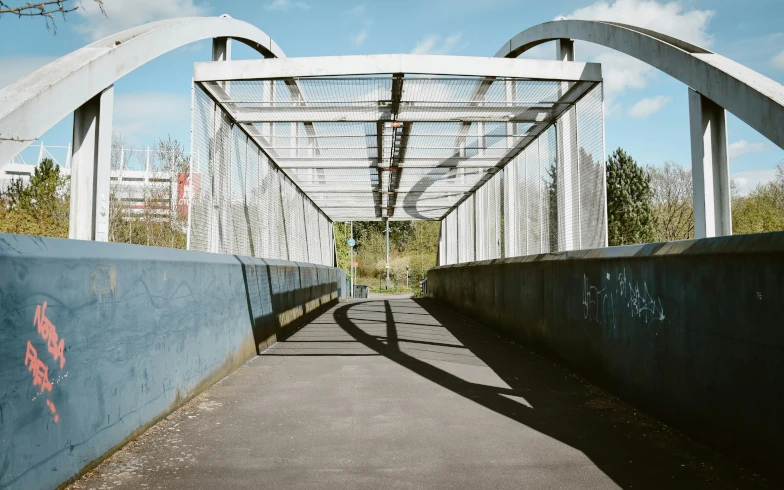
Footbridge Project Scope and Site Constraints
A practical construction review starts with the intended users, route, site levels, surrounding assets and interfaces. A pedestrian or cycle bridge may need to connect paths, roads, drainage corridors, waterways, public open space or development areas. Each setting creates different access, temporary-works, environmental and stakeholder requirements.
Useful early information includes the site address, survey, approved drawings, structural documentation, geotechnical information, service records, access constraints and the required operating conditions during construction. SCE uses the available evidence to assess construction readiness, identify missing inputs and define the scope that can be priced and delivered responsibly. Site coverage and mobilisation are confirmed through SCE's service locations pathway, based on the project location, scope, access and programme.
Where the project is beside an occupied property, roadway or public path, staging may need to maintain safe movement around the work area. Temporary barriers, detours, exclusion zones and communication responsibilities should be resolved before mobilisation.
Where a waterway, drainage line or environmentally sensitive area is involved, the accepted methodology must reflect the applicable approvals, erosion and sediment controls, access limits and inspection requirements.
Foundations, Approaches and Structural Interfaces
Footbridge delivery can involve excavation, foundations, abutments, bearings, prefabricated structural components, deck systems, balustrades, approach paths, ramps and drainage. The final package depends on the approved design and the split of responsibilities between the client, consultants, suppliers and contractor.
Construction planning should confirm lifting requirements, delivery routes, crane or plant access, temporary stability, survey control and hold points. Approach gradients, transitions and surrounding civil works also need to coordinate with the bridge geometry rather than being treated as unrelated finishing work.

SCE coordinates structural and accessibility design, procurement, construction, testing and certification through its qualified team and appointed specialists. The delivery plan records the responsibilities, inspections and approvals needed to connect the bridge safely with the surrounding route.
Access, Safety and Construction Staging
Footbridge works often have a small physical footprint but significant interfaces. Site access may be constrained by existing paths, adjoining properties, overhead lines, waterways, vegetation or public activity. The construction sequence should therefore be developed around how materials, plant and structural elements will enter the site and how the work area will be separated.
Staging may cover early service locating, temporary access, earthworks, foundation activities, off-site fabrication, delivery windows, structural installation, deck and balustrade works, approach construction and final reinstatement. Weather, fabrication lead times, inspections and authority requirements can affect the programme. SCE builds the programme around those constraints, supplier lead times and inspection requirements so the client can see the sequence and the decisions needed to keep work moving.
Resolve Fabrication And Foundation Interfaces Before Delivery
Off-site fabrication and foundation construction run on connected information. Before releasing components for manufacture, confirm the approved survey reference, support positions, bearing levels and connection details with the designer and fabricator. A late foundation or alignment change needs to be resolved across both packages before the structure arrives, rather than left for an improvised adjustment during installation.
Delivery readiness also includes the lifting position, plant access, ground support and temporary stability arrangements. These decisions affect when foundations and adjacent work areas must be ready, and whether another trade can work safely in the same space.
Installing the span is one milestone. Opening the route also depends on completed approaches, drainage, balustrades, transitions and the required inspections. SCE coordinates those interfaces in the construction sequence so the bridge and its connecting paths can be handed over as a usable route.
Quality Records and Handover
Quality controls should be proportionate to the agreed work and the approved documentation. Records may include survey checks, material certificates, delivery records, inspection and test plans, hold-point releases, concrete records, bolt or weld documentation where applicable, photographs, defect records and as-built information supplied by the relevant parties. SCE's documented delivery controls are outlined in the SCE System.
SCE agrees handover requirements before construction and assembles the records supplied by the contractor, specialists and manufacturers. The contract, specifications and manufacturer terms define the acceptance criteria, warranties and defects period, with responsibilities and support arrangements recorded for the client.
Related Bridge and Civil Services
Explore SCE Corp’s building and civil services, the bridge pathways and the project records below.
Footbridge work sits within SCE's broader bridge construction services and Civil Services pathway. Projects involving heavier traffic loads should follow the separate vehicle bridge construction pathway.
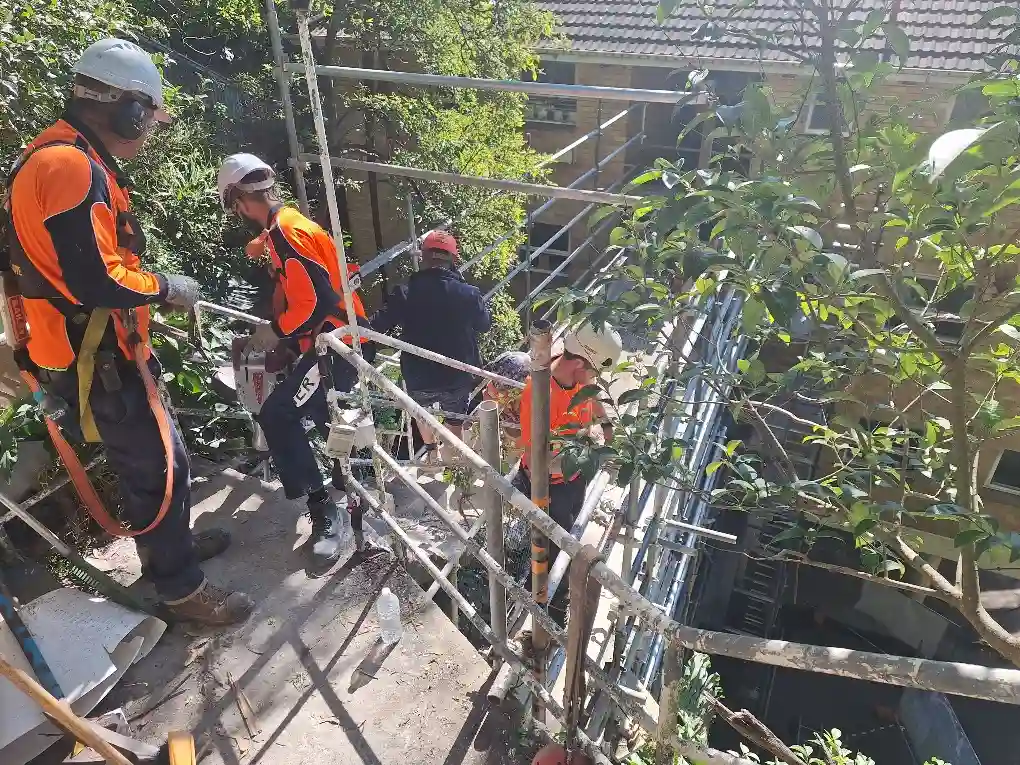
Relevant project evidence includes SCE's flood-damaged bridge reconstruction at Emu Heights and the controlled demolition of a decommissioned footbridge at Lane Cove North. These projects show how SCE plans constrained access, construction staging and connections to existing structures, with the method developed for each site. Broader evidence is available through the Civil Infrastructure Projects hub.
Before an enquiry proceeds, clients can review SCE's current certifications and credentials. The relevance of any registration, practitioner role or certification depends on the project and applicable statutory requirements.
Footbridge Construction FAQs
For the ground, access, scope and delivery decisions behind this work, explore our civil construction planning questions.
What information does SCE need for a footbridge proposal?
Provide the location, intended pedestrians or cyclists, route connections, available survey and drawings, structural and ground information, photographs, services, access constraints and desired programme. SCE reviews the information with the relevant specialists and identifies the investigations, design decisions and construction stages needed to develop the proposal.
What work can be included in footbridge construction?
The agreed package may include site establishment, earthworks, foundations, abutments, structural installation, decks, balustrades, approaches, drainage and reinstatement. The final scope depends on the approved design, site conditions and the responsibilities allocated to each party.
Who is responsible for structural design and certification?
SCE can bring structural and accessibility design, construction, inspections, testing and certification into one coordinated project scope. Qualified and appropriately appointed practitioners remain responsible for their professional design and certification work. SCE connects those deliverables with procurement and construction, while the relevant authority makes its independent approval decisions.
What approvals may be required for a footbridge?
Requirements depend on the land, asset owner, bridge location and proposed works. Planning, roads, environmental, waterway, accessibility or other authority approvals may apply. The client and appointed consultants should confirm the approval pathway before construction starts.
What affects the construction programme?
Programme factors can include design readiness, approvals, fabrication lead times, site access, temporary works, weather, service interfaces, delivery windows, inspections and stakeholder restrictions. A project-specific sequence can be developed once those inputs are known.
How are warranties and defects obligations documented?
The contract, approved scope, specifications and applicable manufacturer terms record the warranties, defects period and acceptance criteria. SCE assembles the inspection, supplier and completion records and confirms the agreed support responsibilities at handover, so the client has a clear record of the completed work.
Can SCE manage removal of an existing footbridge?
Yes. At Lane Cove North, SCE managed temporary scaffold access, controlled dismantling and removal of a decommissioned elevated footbridge, followed by make-good and render repairs at the former building connections. A new removal project is planned around the structure, retained property, access, services and applicable approvals, with the required engineering and specialist input.
Plan Your Footbridge Project
Send the location, intended users, available drawings or photographs, programme and access constraints through our website form. If the design is still developing, SCE can identify the engineering investigations and specialist decisions needed for a clear proposal.