
Vehicle Bridge Construction Sydney NSW
SCE Corp delivers vehicle bridge construction for council, development and infrastructure projects across Sydney and NSW. We bring together engineering coordination, procurement and construction for foundations, drainage, structural works, approaches and traffic interfaces, with a delivery sequence built around the crossing, its users and the surrounding site.
SCE coordinates construction staging, delivery interfaces and quality records for the accepted scope. This service forms part of SCE's broader road, highway, bridge and dam capability. Specialist structural design, load assessment, certification and authority decisions remain with appropriately appointed parties where required.
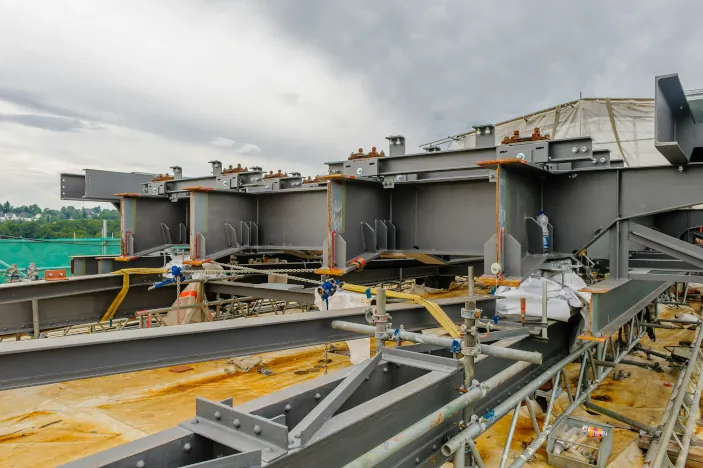
Vehicle Bridge Scope and Site Requirements
Vehicle bridges can serve public roads, private developments, industrial sites, access routes or crossings within broader infrastructure programmes. The construction response depends on span, loading, ground conditions, waterway or corridor constraints, approach geometry and how traffic or site operations must function during the works.
An initial review should include the site address, survey, approved drawings, structural and geotechnical reports, hydraulic information where relevant, service records, environmental constraints and expected traffic arrangements. SCE reviews the available construction information for scope fit and identifies practical gaps that need to be resolved before pricing or mobilisation. Project location, mobilisation and service availability are confirmed through SCE's service locations pathway.
Public-road and authority-controlled work may require permits, inspections, traffic staging and defined stakeholder responsibilities. These requirements should be confirmed for the specific asset by the client and appointed project team.
Private or development access bridges can still involve significant load, drainage, service and emergency-access requirements. The approved design and acceptance criteria remain project-specific.
Foundations, Drainage and Structural Interfaces
The agreed construction package may include earthworks, piles or spread foundations, abutments, piers, bearings, structural steel or precast components, deck construction, barriers, drainage, approaches and pavement tie-ins. Materials and methods are governed by the approved design, project specifications and verified site conditions.
Buildability review should address temporary stability, lifting studies, crane and delivery access, survey control, concrete sequencing, structural connection details, water management and the relationship between bridge works and the adjoining road or site. Where approaches or adjoining pavements form part of the accepted scope, they can be coordinated with SCE's road construction pathway.
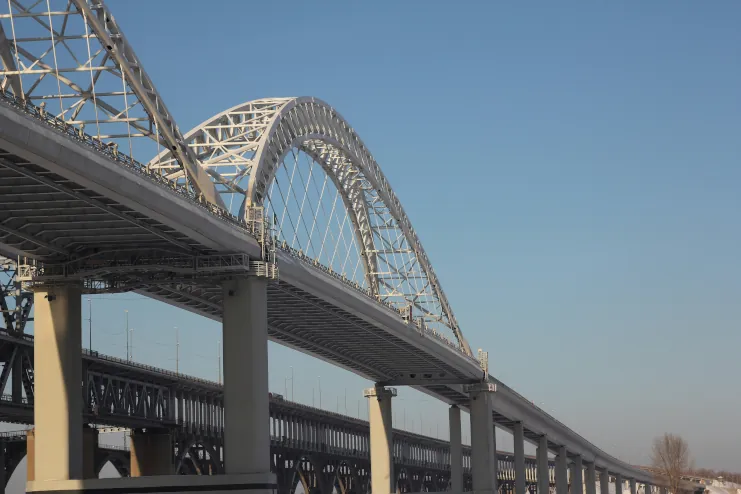
SCE can coordinate qualified structural, geotechnical, hydraulic and traffic specialists within an agreed design-and-construct or EPC package. Design responsibilities are allocated through those appointments, while independent certification, authority approvals and asset acceptance remain with the relevant responsible parties.
Traffic Management and Staged Construction
Traffic and access planning should reflect the bridge location and the users who depend on the route. Works may require temporary diversions, lane controls, restricted delivery windows, work-zone separation or coordination with adjoining construction. Any traffic arrangement must be developed, reviewed and approved through the applicable project process.
A staged sequence can include early investigations, service locating, access preparation, temporary works, foundations, fabrication, structural installation, deck and barrier works, approaches, drainage, pavement, testing and handover. Design readiness, authority approvals, fabrication lead times, weather, environmental constraints and inspections can materially affect the programme.
Plan the Whole Crossing for Reopening
Installing the bridge structure is one milestone. Before traffic returns, the programme also needs to resolve approach levels, pavement transitions, drainage, barriers and the required inspections. Temporary construction access may have a different purpose and capacity from the permanent crossing, so the permitted users and vehicles should be identified for each stage.
SCE’s Emu Heights reconstruction combined groundwater management, foundations, a reinforced concrete base, precast culverts, wing walls and approach works. That sequence shows why a crossing package must connect the work below the structure with the road on either side. Agree who releases each stage and what records are needed before removing temporary access or reopening the route.
Pedestrian and cycle crossings have a different user, access and loading profile and should follow SCE's separate footbridge construction pathway.
Quality Records, Handover and Ongoing Support
Project quality documentation may include survey records, material certificates, inspection and test plans, concrete and compaction records, weld or bolt records where applicable, coating records, photographs, non-conformance closeout and as-built information supplied by the responsible parties. SCE's documented delivery controls are outlined in the SCE System.
Handover may also require consultant certificates, authority acceptance, operating information or maintenance documentation that is not produced by the contractor. Warranties, defects periods and support obligations should be read from the executed contract and applicable manufacturer terms rather than assumed from a general service page.
Related Bridge and Civil Services
Vehicle bridge work sits within SCE's broader bridge construction services and Civil Services pathway. The final relationship between bridge, road, drainage and approach works depends on the accepted design and procurement scope.
Relevant SCE project evidence includes the flood-damaged crossing reconstruction at Emu Heights, which involved foundations, groundwater management, reinforced concrete, precast box culverts, wing walls and approach reconstruction. It is supporting bridge and crossing evidence and does not represent the scope or outcome of every vehicle bridge project. Broader evidence is available through the Civil Infrastructure Projects hub.
Before an enquiry proceeds, clients can review SCE's current certifications and credentials. The relevance of any registration, practitioner role or certification depends on the project and applicable statutory requirements.
Frequently Asked Questions
What information is needed to assess a vehicle bridge project?
Provide the site address, survey, approved drawings, structural and geotechnical information, hydraulic or environmental reports where relevant, traffic requirements, service records, access constraints and programme. SCE can then assess construction readiness and scope fit.
What can a vehicle bridge construction package include?
The agreed package may include site establishment, earthworks, foundations, abutments, piers, structural installation, decks, barriers, drainage, approaches, pavement tie-ins and reinstatement. The final scope depends on the approved design and allocation of responsibilities.
Who determines bridge loads and structural requirements?
Appropriately qualified and appointed design practitioners determine the applicable loads, structural system and certification requirements. SCE constructs and coordinates the accepted scope against approved information and raises identified buildability or interface issues.
What authority and environmental approvals may apply?
Requirements depend on the asset owner, road, waterway, land and proposed work. Roads, planning, environmental, waterway, utility or other approvals may apply. The project team should confirm the approval pathway before construction starts.
How are traffic and access managed during construction?
Management measures are developed for the site and may include staging, temporary diversions, lane controls, restricted delivery windows, work-zone separation and stakeholder communication. Any required traffic plans and approvals must be obtained through the applicable process.
How are warranties, defects periods and acceptance criteria documented?
They are defined by the executed contract, approved scope, specifications and applicable manufacturer requirements. SCE records its obligations for the accepted work and does not promise approval, acceptance or a universal warranty outcome through this page.
Discuss a Vehicle Bridge Construction Scope
For an initial suitability review, provide the site address, approved drawings, reports, traffic and access constraints, programme requirements and procurement information.