
Civil Services | Localised pavement repair
Minor Road Maintenance and Asphalt Repairs Sydney NSW
Sydney Contracting Engineers (SCE Corp) delivers minor road maintenance, pothole repairs and localised asphalt repairs across Sydney and NSW. We define the repair, coordinate access and traffic arrangements, and address the pavement and drainage interfaces that determine how the work should be carried out.
The construction review considers the visible defect, likely treatment limits, pavement edges, drainage and service interfaces, traffic and access constraints, and the records needed for controlled delivery.
Minor Road Maintenance Scope and Site Assessment
Minor road maintenance is generally suited to defined defects that can be addressed without a broader pavement-rehabilitation programme. The appropriate treatment still depends on the underlying condition, defect depth, water exposure, traffic loading, previous repairs and adjoining interfaces.
Useful enquiry information includes the site address, photographs, defect history, available drawings or reports, ownership or road-authority details, access restrictions, traffic conditions and the intended programme. SCE can then review construction suitability and whether specialist investigation or design input is required.
- Potholes, localised cracking and isolated surface failure
- Damaged pavement edges and small reinstatement areas
- Localised asphalt patching and surface preparation
- Kerb, pit, drainage and underground-service interfaces
- Access, traffic staging, quality records and closeout needs
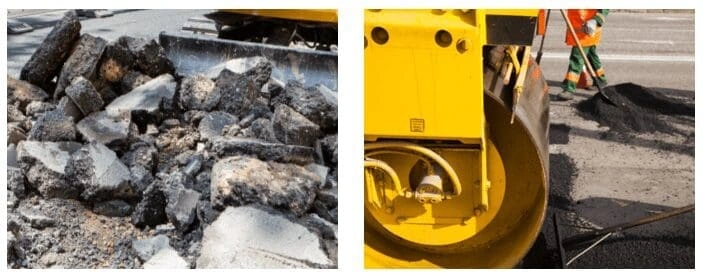
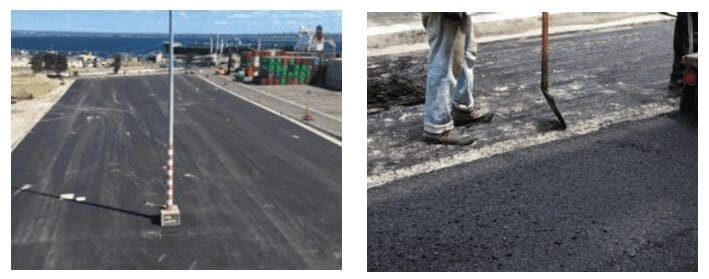
Pothole Repairs and Localised Asphalt Patching
A patch should address the confirmed defect and treatment boundary, not simply cover a visible symptom. Depending on the site, work may include saw cutting or edge preparation, removal of failed material, base preparation, asphalt placement, compaction and local reinstatement.
Localised patching may be suitable where the surrounding pavement remains serviceable and the cause can be managed within a defined repair area. Repeated failure, widespread deformation, drainage problems or broader structural distress may indicate that major road rehabilitation should be assessed instead.
The wider road, highway, bridge and dam services hub provides the surrounding civil-services pathway.
Pavement Edges, Kerbs and Drainage Interfaces
Minor pavement damage can be affected by poorly supported edges, adjoining kerbs, pits, surface-water flow, service trenches or previous reinstatement. These interfaces should be reviewed before the treatment and work sequence are confirmed.
SCE can coordinate drainage, service locating, surveying and pavement-engineering input through appropriately qualified disciplines within an agreed design-and-construct or construction package. The scope identifies who supplies the investigation, design and inspections; road-authority approvals and any independent certification remain with the responsible parties.
Traffic, Access and Work Staging
Even a localised repair can affect vehicle movements, pedestrian access, loading areas, neighbouring properties or an operational facility. Planning should identify the work zone, safe access, temporary arrangements, working hours, material movements and reinstatement sequence.
Traffic controls, permits and authority requirements vary by location and ownership. Regional availability and local context can be reviewed through the SCE Service Locations hub.
Quality Records and Practical Closeout
Defined Repair Boundaries
Confirm the defect, treatment area and interfaces before work begins.
Controlled Delivery
Coordinate access, preparation, materials, compaction, safety and staging requirements.
Project Records
Identify each repair on a marked plan or location schedule, with its agreed treatment and extent. Record concealed preparation before covering, completed work and reopening requirements so the owner can distinguish this repair from earlier patches or areas outside the scope.
The SCE System outlines the company's delivery framework. Current verified corporate information is available on the certifications, credentials and verifications page.
Related Road Services and Delivery Experience
Road Maintenance Hub
Compare minor, routine and major maintenance pathways through the parent service.
View road maintenance servicesBlackbutt Pavement Works
See how SCE replanned Blackbutt pavement reconstruction from five stages to two while maintaining access.
View the Blackbutt projectPort Botany Pavement Works
Review the Port Botany pavement record from Farshid's wider career. This experience supports current capability and is attributed separately from SCE-delivered projects.
View the Port Botany projectAdditional delivery evidence is available through the Civil Infrastructure Projects collection, while the Civil Services hub covers SCE's broader construction capability.
Frequently Asked Questions
These answers provide general construction-planning guidance. Project-specific requirements must be confirmed from the site, scope and relevant authority information.
What types of defects may suit minor road maintenance?
Minor maintenance may suit potholes, localised cracking, isolated surface failure, damaged pavement edges or small reinstatement areas where the surrounding pavement remains serviceable. The appropriate treatment depends on the confirmed defect, underlying condition and site interfaces.
How does SCE assess potholes and localised pavement damage?
SCE reviews available photographs, defect history, access and traffic conditions, ownership information, drawings or reports and visible drainage or service interfaces. Further investigation, testing or specialist design may be required where the cause or treatment cannot be confirmed from the available information.
When is asphalt patching suitable?
Asphalt patching may be suitable for a defined repair area where failed material can be removed, the base can be prepared and the surrounding pavement remains serviceable. It may not be suitable where distress is widespread, recurring or linked to broader structural, drainage or service issues.
Are permits or traffic controls required?
Requirements depend on the road authority, land ownership, location, traffic impact, work-zone arrangement and scope. Relevant permits, approvals and traffic-management requirements should be confirmed with the responsible authority and appropriately qualified parties before construction.
How long do minor road repairs take?
Duration is site-specific and depends on defect extent, investigation, materials, access, traffic staging, working hours, approvals, weather and curing or reopening requirements. A programme can be reviewed after the treatment and construction constraints are sufficiently defined.
When should a site move to major road rehabilitation?
Major rehabilitation may need review where patching has repeatedly failed, distress is widespread, deformation is significant or drainage, services or underlying pavement layers require broader treatment. The decision should follow appropriate condition information and specialist input where required.
Discuss a Minor Road Maintenance Scope
Share the site address, photographs, available drawings or reports, defect history, programme and known access, drainage, service or traffic constraints. SCE will identify the investigation, treatment boundaries and staging information needed to progress your repair.