
By Sydney Contracting Engineers (SCE Corp) · Information checked 6 October 2026
Commercial bathroom refurbishment can sometimes be staged while a workplace remains open, but the alternative amenities must work in practice. A plan that leaves another toilet available on paper may fail if the route is inaccessible, the area is closed after hours or a shared service isolation also takes it out of use.
Agree the operating arrangement with the client, building manager and relevant duty holders before demolition. The refurbishment sequence should follow that arrangement and the technical requirements of the work.
Do commercial bathroom refurbishments need council approval in NSW?
Check the approval pathway before ordering products or setting a closure date. The answer depends on the work and the property. Some minor work may qualify as exempt development when all applicable requirements are met; this does not remove landowner permission or other required approvals. SCE brings the design, construction and approval requirements into one coordinated scope, with the relevant practitioners and authorities involved at the right stage.
How long does a commercial bathroom refurbishment take?
Build the programme around the actual work sequence rather than a standard number of weeks. Design decisions, product availability, concealed repairs, service changes and permitted work hours all affect the dates. Separate the overall project duration from the period each bathroom must be closed. SCE plans procurement, temporary amenities, inspections, curing, commissioning and handback together so the facility team can see the dependencies before agreeing a shutdown.
Establish who needs the facilities
Record staff, visitor and other user groups, operating hours and access needs. Identify the amenities that must remain available and the applicable requirements for the workplace and building. Include cleaning, consumables and maintenance in the temporary arrangement.
SafeWork NSW’s facilities guidance explains the need for clean, safe and accessible workplace facilities. The responsible team should confirm the arrangement for the actual occupancy and work.
Verify the alternative route
Walk the proposed route with the building team. Check hours of access, doors, level changes, security, signage and any conflict with construction deliveries. Confirm that the alternative is authorised and available throughout the stage.
Contractor amenities also need a defined arrangement. SafeWork NSW’s construction-toilet guidance discusses consultation and documented arrangements where facilities are shared. Do not assume workers can use another tenant’s amenities without agreement.
The occupied-building works planner can help record the agreed access, service and staging constraints before the programme is fixed.
Check whether service isolations cross stage boundaries
Review water, drainage, electrical, ventilation, fire and other affected services with the responsible designers and trades. Identify which rooms or tenancies an isolation affects and how reinstatement will be confirmed.
An after-hours shutdown still needs a contingency if the service cannot be restored before the workplace opens. Name the person who can authorise an extended closure and the process for notifying occupants. Test these decisions before they become an urgent site problem.
Coordinate the wet-area sequence
Define demolition, concealed repairs, services, substrates, waterproofing, finishes, fixtures and commissioning as connected activities. Include the specified inspection, curing and testing stages. A restricted work window does not remove a product or inspection requirement.
- Confirm products and critical dimensions before procurement.
- Resolve drainage, floor levels and door interfaces together.
- Identify the response to unexpected concealed conditions.
- Protect the route between the work zone and material storage.
- Agree cleaning and separation responsibilities for each stage.
SCE’s commercial fitout planning guide covers the broader workplace, landlord and approval interfaces.
Define handback before the next closure
Set the evidence required before a completed bathroom becomes the alternative facility for the next stage. Include relevant inspections, service checks, commissioning, cleaning, access, signage and operational acceptance.
Do not close the next stage solely because the first looks finished. Confirm that the agreed facilities are available and that any outstanding item has been assessed by the responsible parties. Keep a short signed or otherwise traceable handback record for each stage.
Price the operational constraints honestly
Restricted hours, repeated mobilisation, temporary facilities, staged deliveries and service shutdowns can affect cost and duration. Disclose them before seeking quotations so tenderers price the same operating requirements.
Where continuous operation is not workable, the team should identify the required closure or temporary arrangement early. An unsupported promise of no disruption is not a useful basis for procurement.
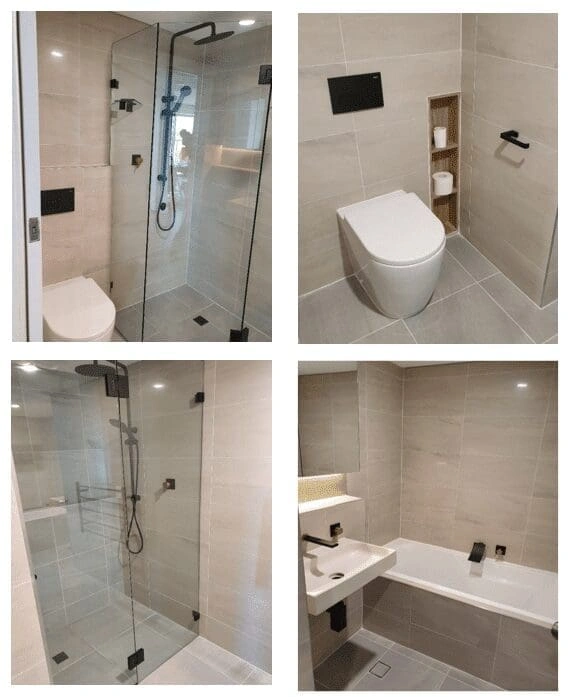
SCE’s Sydney CBD bathroom project imagery provides genuine wet-area construction evidence. SCE delivers engineering, design, procurement and construction within an agreed commercial refurbishment scope, with licensed trades and independent statutory appointments defined for the project.
Request a Project Suitability Review with the facilities layout, operating hours, service information and required completion programme.
Frequently asked questions
Read our refurbishment programme and occupancy questions when staging bathroom work around a functioning commercial building.
Can every commercial bathroom be refurbished while the premises stay open?
No. Continued operation depends on suitable alternative facilities, access, service arrangements and effective separation from the work.
Can contractors use another tenant’s toilets?
Do not assume access. Confirm the arrangement with the responsible parties and document it where required by the applicable workplace guidance.
Does after-hours work remove the need for a shutdown plan?
No. The team still needs isolation, reinstatement and contingency arrangements, including what happens if a service is unavailable when the workplace opens.
When should the next bathroom stage close?
Only after the agreed alternative facilities and access are ready and the responsible parties have accepted the preceding stage’s handback.
Do commercial bathroom refurbishments need council approval in NSW?
The approval pathway depends on the proposed work and the property. Some minor work may qualify as exempt development only when all applicable requirements are met. Landowner permission and other required approvals still apply. SCE reviews the intended scope with the relevant designers, certifier and authorities before committing to the construction programme.
How long does a commercial bathroom refurbishment take?
The programme depends on the number of facilities, existing conditions, design and approval requirements, product lead times, service changes and permitted work windows. Staged delivery also needs time for temporary amenities, inspections, curing, commissioning and handback. SCE develops a project-specific sequence and confirms each closure period with the facility team before work starts.