
Commercial asset renewal and occupied-site delivery
Commercial Refurbishment Services Sydney NSW
SCE Corp refurbishes existing commercial properties across Sydney and selected NSW regions. From renewed finishes and fixtures to repairs, services and layout upgrades, our team connects design coordination, procurement and construction with staging that supports the building and its users.
What a refurbishment review should establish
We begin with what you want the property to achieve: improved function, refreshed presentation, renewed building elements or a better experience for staff and visitors. Reviewing the existing asset and operating requirements turns that brief into a practical scope.
Existing conditions and priorities
Confirm the areas to be retained, renewed, repaired or removed, together with known defects, service interfaces, finishes and the practical outcome required from the refurbishment.
Occupancy, access and staging
Identify operating hours, work zones, deliveries, temporary protection, isolations, noise and dust controls, security, stakeholder access and business-continuity requirements.
Review construction staging in an operating facility when access and business continuity must be maintained.
Approvals and responsibilities
Define required investigations, drawings, designs, approvals, inspections, certificates and practitioner inputs, including responsibility for each project-specific item.
Commercial refurbishment delivery pathway
1. Evidence and condition review
Assess existing conditions, operating constraints, known defects and the intended outcome using the available photographs, drawings, reports and site inspections. Identify any further investigations needed to develop the scope.
2. Defined scope and staging
Confirm inclusions, exclusions, retained elements, repair interfaces, access, sequencing, procurement, approvals, hold points and the communication pathway for decisions and variations.
3. Controlled site delivery
Deliver the accepted works with documented safety, quality and environmental controls appropriate to the contracted scope, occupied-site conditions and agreed staging.
4. Completion and handover
Close out the agreed inspections, defects, product information, certificates, warranties, maintenance information and other project-specific records.
Refurbishment, fit-out and remedial work
A refurbishment may combine renewal, fit-out and repairs. Start with the main outcome you need, then include the related work packages in a coordinated plan.
Commercial refurbishment
Use this service where the principal requirement is broader renewal or improvement of an existing commercial asset or occupied space.
Commercial fit-out
Use the Commercial Fit-Out service where the principal requirement is to configure or complete an internal workplace for its intended use.
Remedial-led scope
Where verified defects are the primary project driver, review the Building Remedial Services pathway before defining refurbishment inclusions.
Relevant SCE project evidence
SCE has transformed existing office, warehouse and workplace interiors through coordinated building, services and finishing trades. The following completed projects show the work delivered and the resulting spaces.
The Refurbishment Project Programme documents further refurbishment work across sectors and regions. Use these examples to discuss the renewal scope, staging and handover needs of your own property.
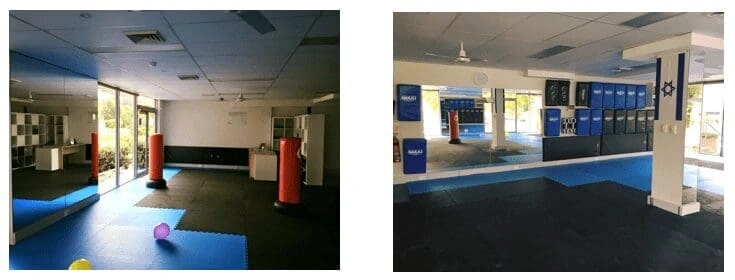
Gym Refurbishment - Northern Beaches NSW
SCE converted a Warriewood office and warehouse into a gym in two weeks. The work combined wall alterations, electrical works, air conditioning, gym equipment, flooring and painting to create the completed training spaces.
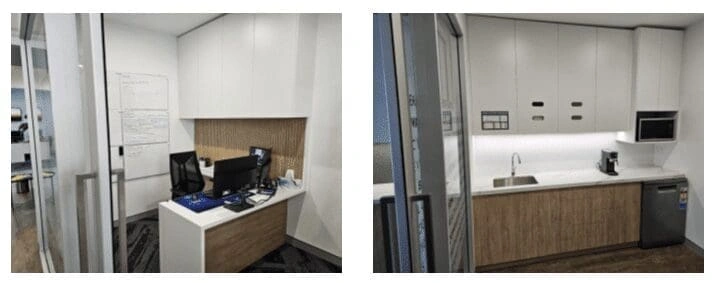
Commercial Office Fit-Out - Ryde NSW
SCE remodelled the full office floor, from assessment, design preparation and procurement through strip-out, plumbing and electrical relocation, linings, waterproofing, tiling, carpeting, cabinetry and handover.
Plan your commercial refurbishment
Operations Director Farshid MANESH brings estimating, procurement, construction methodology and programme-management experience. Managing Director Frank MANESH contributes civil and construction engineering expertise. Their career experience informs how SCE plans renewal work around existing structures, services and operations.
Property and required outcome
Provide the site address, property type, areas involved, current use and the asset or operational outcome required.
Available evidence
Attach or identify photographs, layouts, drawings, reports, defect information, landlord requirements and known approvals or constraints.
Delivery conditions
Explain occupancy, operating hours, access restrictions, staging needs, decision dates and required handover records.
Commercial refurbishment FAQs
Key decisions when planning the scope, staging and handover of an existing commercial property.
What is commercial refurbishment?
Commercial refurbishment renews or improves an existing commercial asset or occupied space. Depending on the agreed scope, it may include removals, repairs, internal finishes, fixtures, accessibility-related construction and coordination of building-service interfaces.
How is commercial refurbishment different from a fit-out?
A refurbishment principally renews or improves an existing commercial asset or space. A fit-out principally configures or completes a workplace for its intended use. Some projects include both, so the dominant outcome and scope boundaries should be agreed early.
Can a commercial refurbishment include repair work?
Yes. Refurbishment can combine renewal with defined repairs, supported by an assessment of the existing conditions and any required investigations or engineering design. Where defects are the main reason for the project, SCE’s remedial services provide the appropriate starting point before the renewal work is planned.
Can refurbishment work be staged around operating hours?
Yes. SCE plans work zones, access, deliveries, isolations, noise and dust controls, temporary protection and security around the site and its users. The agreed construction plan identifies areas that can remain occupied and any temporary shutdowns, relocation or staged handback required.
What should be confirmed before refurbishment work starts?
Confirm the required outcome, existing conditions, retained elements, repair and service interfaces, access, staging, approvals, design responsibilities, programme assumptions, hold points and required handover records.
Who handles design, approval and certification responsibilities?
SCE coordinates engineering, design and construction through its qualified team and appointed specialists. The scope determines the required investigations, designs and approvals. Regulated work is allocated to professionals with the required competence, registration and appointment; statutory certification and approval decisions remain with the appointed independent certifier and relevant authority.
What should a commercial refurbishment handover include?
The contracted handover may include agreed drawings or details, inspection and test records, product information, progress photographs, defects close-out, certificates or declarations where applicable, warranties, maintenance information and confirmation of the completed scope.
Discuss a commercial refurbishment project
Tell us what needs to improve in your property and how it operates. Share the site address, photographs, available drawings or reports and target timing so our team can help define the scope and next steps.