
By Sydney Contracting Engineers (SCE Corp) · Information checked 8 November 2026
Heritage lime mortar repairs need a specification based on the masonry and its condition. Matching the visible colour is useful, but it does not establish compatibility, appropriate strength or how the repaired wall will manage moisture. A familiar modern mortar mix should not be substituted without review.
Begin with the significance and condition of the building, the purpose of the repair and the relevant heritage and approval requirements. Then define the materials, sample process and workmanship that the contractor is expected to deliver.
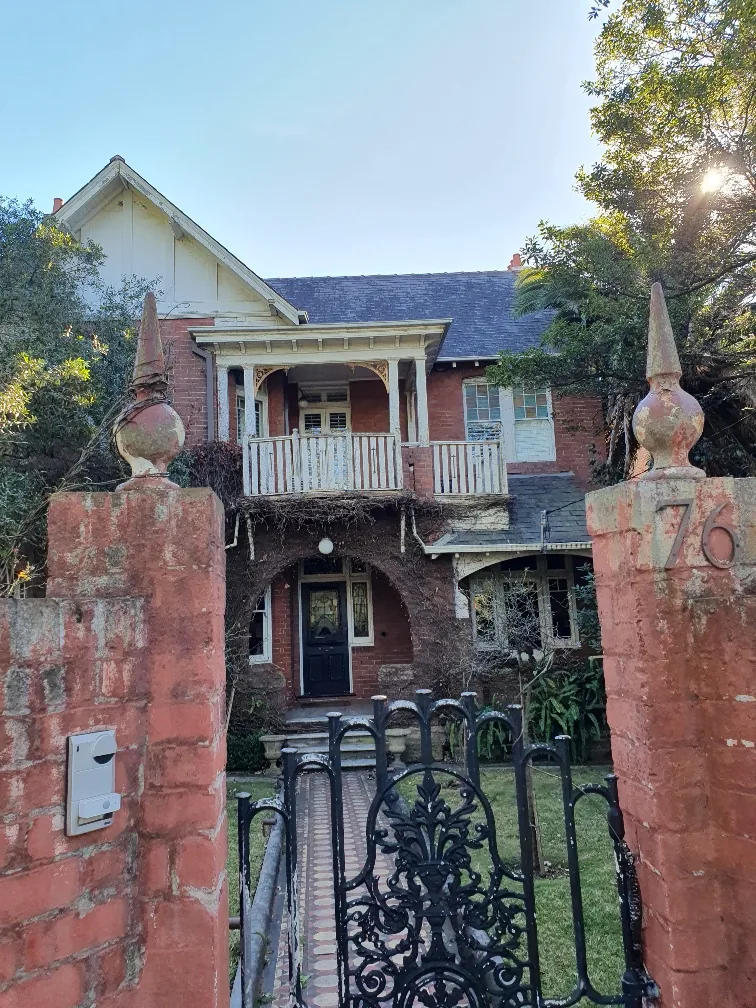
Establish whether mortar is the main problem
Record open joints, deteriorated units, cracking, staining and earlier patches. Identify areas where movement or moisture may require a separate investigation. Repointing does not resolve every cause of masonry deterioration.
SCE’s masonry-crack investigation guide is the starting point where structural movement is part of the concern. The mortar repair scope should follow the evidence rather than conceal a condition that has not been assessed.
How do you match mortar when repointing heritage brickwork?
SCE brings heritage and engineering input into the repair scope to determine what examination or material analysis is needed. The brief should identify the masonry units, existing mortar, earlier repairs, exposure and intended repair extent. Distinguish original fabric from later alterations where that matters to the conservation approach.
Heritage Victoria’s lime-mortar technical code explains the importance of selecting suitable materials and developing a specification. Use that guidance to frame the project review, not as a universal mix recipe for every historic wall.
Specify more than a colour
A useful repair specification identifies the approved materials, required performance, joint preparation, finish and protection. It should also state how the work will avoid unnecessary damage to surrounding masonry and significant fabric.
- Which joints require repair and which should remain?
- How will incompatible earlier repairs be addressed?
- What sample or trial area must be accepted?
- Who approves the material and finished joint appearance?
- What weather and curing protection does the specified method require?
The repointing technical code provides further method guidance for specialist review. The actual project specification must account for the wall and its conservation requirements.
Agree the sample before broad application
Select a sample location through the project team and define what will be reviewed. Keep the approved sample, product information and recorded decisions available during the works. A small sample should demonstrate the intended workmanship and appearance without causing unnecessary intervention in significant fabric.
Allow the relevant review period before using the sample as the basis for the whole elevation. Record any changes to the proposed materials or method. This reduces disagreement after a large area has been completed.
Confirm the approval and access pathway
Check the property’s heritage status and applicable consent, exemption or approval requirements with the relevant adviser and authority. Describing work as maintenance does not, by itself, establish the pathway for every building.
Include scaffold, public protection, occupied areas, waste handling and protection of adjacent finishes in the construction scope. Specialist workmanship is only one part of delivering the repair safely and without avoidable damage.
SCE’s building remedial services bring engineering, heritage-specialist input, procurement and construction together so the material specification and workmanship support the repair objectives.
Keep a repair record that future teams can use
At completion, retain the location and extent of repairs, approved materials, sample decisions, photographs and any maintenance advice. Note areas intentionally retained or excluded. That record helps later teams understand what changed instead of treating every joint as original fabric.
SCE’s Centennial Park project brought glazing, roof-tile replacement and internal finishes together for an insurance client at a heritage-listed property. See further examples in our heritage reinstatement project collection. SCE provides engineering, design, procurement and construction for an agreed repair appointment, with heritage specialists and independent approval functions identified as required.
Read about SCE’s engineering and construction team and our licences, registrations and ISO certifications. Discuss your heritage repair project through the website form with the property details, photographs, condition reports and heritage documentation.
Frequently asked questions
Our approval and practitioner-role questions explain the project information and responsibilities to resolve before construction.
Is matching mortar colour enough?
No. Compatibility, material properties, joint treatment and the wall’s condition also matter. The repair needs a project-specific specification.
Can repointing fix structural movement?
Repointing alone should not be assumed to resolve movement. Investigate the mechanism and obtain the required structural advice before cosmetic repair.
Why approve a sample area?
A sample makes material, workmanship and appearance decisions reviewable before the method is applied across a larger area.
Can cement mortar be used to repair historic lime-mortar joints?
The repair mortar must be compatible with the existing masonry and its moisture behaviour. A harder, less permeable cement-rich mix can be unsuitable for softer historic materials. Review the existing mortar and masonry, the exposure and the conservation requirements before specifying the repair. SCE brings the necessary heritage and engineering input together with material selection, trial work and construction planning.
How much does lime mortar repointing cost?
A useful quotation needs the area and depth of joint repair, wall height and access, existing mortar condition, material analysis, trial panels and any damaged masonry replacement. Include heritage documentation, protection for occupants and adjacent finishes, curing arrangements and waste removal. SCE defines these items with the project team before pricing, so owners can compare the same scope rather than a square-metre rate that omits necessary work.