
By Sydney Contracting Engineers (SCE Corp) · Last reviewed 7 November 2026
A leaking shower repair can range from replacing a failed surface joint to reconstructing the wet area. The correct scope depends on where water is escaping and the condition of the connected system. Regrouting, resealing and rebuilding address different problems; they should not be sold as interchangeable answers.
Record the leak and arrange an appropriate assessment before repeatedly adding new surface treatments. If water affects electrical equipment or another immediate hazard is present, keep clear and obtain urgent assistance from the relevant qualified people.
My shower is leaking through the grout. What should I do?
Note whether the issue occurs during shower use, afterwards or when the room has not been used. Record the affected locations, previous repairs and any changes over time. Photographs of adjoining walls or ceilings can be useful, but staining alone does not establish the source.
A plumbing leak, an opening around a fitting and a failure within the wet-area assembly may produce similar visible symptoms. Ask the assessor what evidence distinguishes the suspected source from other possibilities. SCE’s investigation guide explains when further access may be needed.
Understand the limits of a surface treatment
A limited repair may be appropriate where the defect and treatment boundary are established. The proposal should identify the failed element, why the surrounding system is suitable to retain and what the repair is expected to achieve.
Do not assume new grout or visible sealant establishes the condition of concealed waterproofing, substrates or services. Ask which potential causes the proposed work excludes and what would trigger further investigation if the leak returns.
Check compatibility before selecting products
Wet-area products must be used as a compatible system for the substrate and application. ARDEX’s specification resources distinguish systems and installation conditions. Its wet-area adhesive guidance illustrates why product selection cannot be reduced to a generic instruction to seal over existing work.
For example, a pre-mixed adhesive that relies on moisture escaping may remain soft between a dense tile and a waterproof membrane. ARDEX explains why the tile, substrate, membrane and adhesive must be assessed together. SCE checks the specified system before procurement and installation, including the manufacturer’s curing and return-to-use requirements.
The appointed team should confirm the relevant current product instructions and building requirements. An online repair article is not a specification for the room, and an old installation diagram should not be treated as the current approval basis.
Recognise when a broader scope needs review
Persistent leakage after previous repairs, damaged substrates, loose finishes or proposed layout changes may justify investigation beyond surface joints. These observations do not automatically prove that the entire bathroom must be rebuilt, but they should be addressed before another limited repair is accepted.
Where reconstruction is indicated, define demolition limits, service work, substrate repairs, waterproofing interfaces and reinstatement together. SCE’s bathroom reconstruction guide explains how to plan those connected works.
Ask for a proposal based on the inspection findings
- What source has been identified, and how?
- Which parts of the shower will remain?
- What work and products are included?
- What conditions would change the scope?
- What inspections or testing will support completion?
- What maintenance and warranty limits apply?
Compare quotations against those answers. A low price for surface work and a larger reconstruction price may describe materially different outcomes. The right comparison begins with the diagnosis and intended repair, rather than the headline amount.
Keep the completion record
Retain the location of the work, product information, inspection or test results and any concealed-condition findings. If the work is staged, distinguish temporary mitigation from the permanent scope. State when the shower can be used according to the specified system and completion requirements.
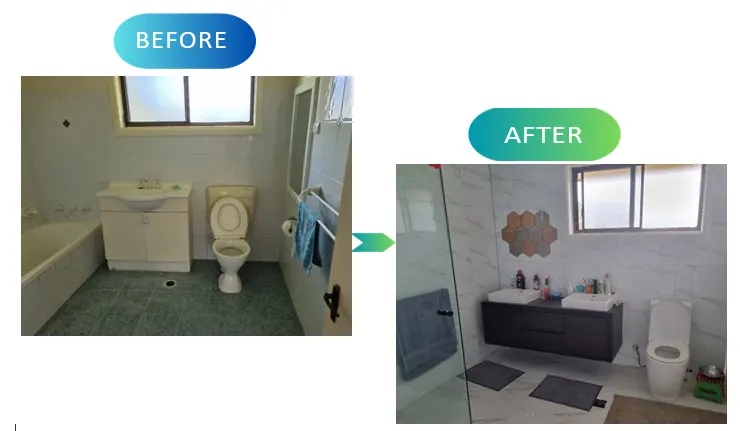
SCE’s Berowra Heights project provides genuine bathroom-renovation evidence. SCE delivers the complete repair package: investigation, engineering and design, material procurement, construction, testing, required certification and handover. Our building and engineering team coordinates the licensed trades and appointed practitioners, with each responsible for the functions they are qualified and authorised to perform.
Request a Shower Leak Assessment with photographs, leak history, previous repair information and available plans.
For work across our Sydney and NSW service areas, review SCE’s licences, registrations and certifications alongside the project proposal.
Our waterproofing repair questions explain the wider investigation, membrane, interface and completion checks behind a lasting wet-area repair.
Frequently asked questions
Will regrouting stop every shower leak?
No. Regrouting addresses a particular surface scope and cannot be assumed to repair plumbing, concealed waterproofing or damaged substrates.
Does a leak mean the whole bathroom needs demolition?
Not necessarily. Establish the source, extent and condition before choosing a limited repair or broader reconstruction.
What should a shower repair warranty explain?
It should identify the covered work, exclusions, conditions and reporting process. Confirm whether it relates to a surface treatment or a more extensive repair.
How much does it cost to repair a leaking shower?
The price depends on the diagnosed source and the work needed to address it. A limited joint repair, plumbing repair and wet-area reconstruction are different scopes. Ask the quote to identify investigation, retained areas, removal, substrate repairs, waterproofing, reinstatement, testing and any unresolved allowances before comparing prices.
My shower is leaking through the grout. What should I do?
Stop using the shower if it is causing damage outside the wet area, record when and where the water appears, and arrange an inspection before covering the joints again. The investigation should distinguish a plumbing leak, failed surface joints, movement and concealed waterproofing defects. SCE explains the findings and repair options so you can approve an appropriate scope, from a local repair to reconstruction where required.