
NSW remedial construction guide
Building Defects NSW: Remedial Works, Repairs and DBP Act Duty of Care
A practical guide for owners corporations, strata managers, building managers and asset owners who need to move from a reported defect to a controlled investigation, compliant scope and deliverable remedial works package.
A visible crack, leak or failed finish may be a symptom rather than the underlying defect.
Investigation, design, declarations, approvals and construction need clearly allocated owners.
Reports, photos, scopes, design changes, hold points and completion evidence should align.
What Are Remedial Works?
Remedial works are repairs and upgrades that correct defects in an existing building. Building remediation may address water ingress, deteriorated concrete, structural movement, façade defects or failed drainage. The scope can range from a local repair to coordinated structural and building-envelope work.
A remedial project should begin by defining what has been observed, where it occurs, how it changes over time and what risk it creates. Repeated patch repairs often fail because the repair is selected before the water path, movement, corrosion mechanism, construction interface or compliance issue has been established.
The first useful scope is therefore an investigation scope. It may combine document review, inspection, access, moisture testing, surveying, scanning, opening-up work, sampling or specialist assessment. The level of investigation should match the consequences of getting the diagnosis wrong.
Practical distinction: a local repair restores a defined damaged item. Remedial works usually coordinate diagnosis, design or methodology, access, temporary protection, construction, verification and closeout across a broader defect mechanism.
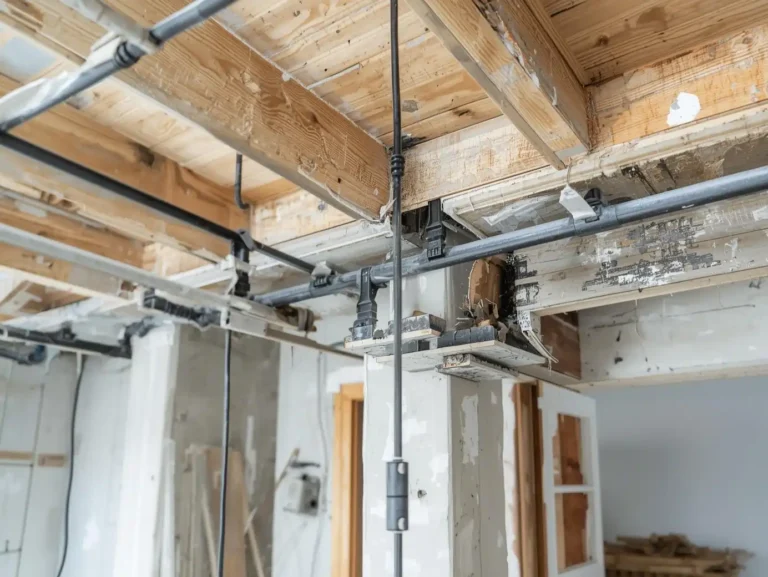
Common Building Defect Pathways
Different defects demand different evidence and disciplines. A coordinated remedial plan should identify the likely mechanism, immediate controls and information needed before the permanent scope is fixed.
Water ingress and waterproofing
Trace entry paths across roofs, balconies, membranes, façades, windows, joints, flashings and drainage. Confirm whether damage is local or part of a connected enclosure problem.
Concrete deterioration
Assess cracking, delamination, spalling, reinforcement corrosion, exposure and previous repairs before setting breakout, treatment and reinstatement requirements.
Façade and cladding defects
Consider public safety, access, fixings, substrates, movement, seals, water management and fire-related obligations as one coordinated façade system.
Movement and structural concerns
Distinguish cosmetic cracking from active movement or structural distress. Monitoring, surveying, temporary support or engineering assessment may be required.
Fire-safety and service interfaces
Defects involving penetrations, passive fire systems, doors, egress or services need scope-specific input and should not be reduced to cosmetic making-good.
Roof and drainage failures
Review falls, outlets, overflows, flashings, membranes, penetrations and maintenance access so the permanent repair addresses the water-management system.
A Controlled Remedial Project Sequence
The exact order varies with urgency and building type, but a disciplined sequence reduces redesign, variations and incomplete closeout records.
Stabilise risk
Protect occupants, the public and the asset. Record temporary measures and their limitations.
Investigate
Gather drawings, reports, history, photographs, testing and physical evidence.
Define the scope
Set boundaries, interfaces, access, methodology, products, tolerances and exclusions.
Deliver and verify
Use approvals, hold points, inspection records and controlled variations during construction.
Close out
Compile declarations, test results, warranties, photos, as-built information and maintenance needs.
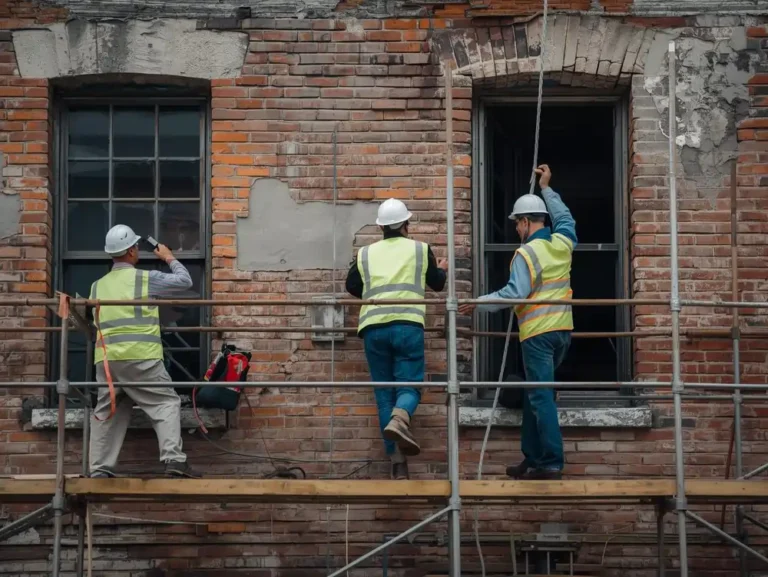
What Is the DBP Act Duty of Care?
Section 37 of the Design and Building Practitioners Act 2020 requires people carrying out construction work to take reasonable care to prevent owners suffering financial loss from defects caused by that work. The duty extends to subsequent owners and can apply without a direct contract with the person carrying out the work.
Check this duty separately from practitioner registration and design-lodgement obligations. Part 4 defines the work and people covered; obtain legal advice about how it applies to a particular defect or claim.
DBP Act: Check Applicability Before Work Starts
NSW Government guidance states that remedial building work on class 2 buildings, including a mixed-use building with a class 2 part, is regulated under the Design and Building Practitioners legislation unless an exclusion or emergency pathway applies. The registration and regulated-design requirements for alterations, additions and repairs to existing class 3 and 9c buildings commence on 1 July 2028. This timing does not remove other current building, safety or professional obligations.
For regulated remedial work, a registered design practitioner may need to prepare Construction Issued Regulated Designs, with the building practitioner lodging the required designs and declarations through the NSW Planning Portal. The practitioner class and documentation depend on the actual scope.
Use SCE’s NSW DBP Applicability Checker as an early planning aid, then confirm the project-specific position with the relevant registered practitioners and authorities.
Important: SCE is a DBP-registered building practitioner with qualified building, civil and construction engineering capability. Registration does not remove the need to identify the correct design, building, engineering, certification and approval responsibilities for the particular work.
Emergency Measures Are Not the Permanent Remedial Scope
NSW guidance limits emergency remedial work to circumstances requiring immediate action for serious risks involving habitability, health or safety, or further building damage. The emergency work should be limited to what is necessary to mitigate that serious impact until subsequent remedial work can be planned.
| Response | Primary purpose | Typical evidence | Important boundary |
|---|---|---|---|
| Immediate make-safe | Control an urgent safety or damage risk. | Incident record, photos, professional direction, temporary-work details and inspection. | Does not automatically resolve the underlying defect or permanent compliance pathway. |
| Investigation | Establish mechanism, extent and interfaces. | Reports, testing, survey, monitoring, openings, samples and existing records. | Should remain proportionate and clearly distinguish observations from conclusions. |
| Permanent remedial works | Deliver the documented rectification outcome. | Scope, designs, declarations, approvals, methodology, hold points and completion records. | Must reflect the applicable DBP, planning, building and contract requirements. |
Evidence That Supports Better Decisions
A useful defect register does more than list symptoms. It links each observation to its location, urgency, supporting material, current responsibility and next decision.
Separate the observation, cause and acceptance evidence
A photograph of a repaired finish establishes that the surface has changed; it does not establish that the cause has been resolved. Record the observed defect, the investigated cause and the evidence needed to accept the repair as separate items. Where the cause remains uncertain, keep that uncertainty visible and identify the next investigation or monitoring decision. Close each item against the agreed inspection or test requirement, while recording any remaining building issues separately.
For a structured early brief, use the Remedial Planning Tool before requesting contractor pricing.
Who Does What on a Remedial Project?
A building owner or owners corporation defines objectives, governance and commercial approvals. Consultants and registered design practitioners investigate and prepare the advice or regulated designs within their appointed scope. The building practitioner and contractors plan and carry out the authorised work. Certifiers, authorities and other statutory participants perform their separate functions where applicable.
SCE leads remedial projects from investigation and buildability review through engineering and design management, procurement, construction and handover. Our qualified team and appointed specialists bring together structural repairs, concrete remediation, waterproofing, façade work, temporary support and reinstatement. Registered design, engineering and certification responsibilities are allocated to the appropriately qualified and appointed practitioners for each project.
Remedial Works in Practice
- Lane Cove school structural remediation: SCE delivered temporary support, investigation, structural steel, a permanent footing, sewer-line replacement and reinstatement during the school holidays. Investigation exposed a broken sewer line associated with subsidence, so the completed scope addressed the service defect as well as the damaged support.
- Belmont recladding under Project Remediate: SCE delivered the construct-only façade replacement scope to the issued regulated designs, managing access, installation, inspections and contractor closeout.
Official references: review the NSW Government guidance for remedial building work in regulated buildings, emergency remedial building work and the Design and Building Practitioners Act 2020.
This article provides general information only and is not legal, engineering, design, certification or building-consultant advice. Requirements change and depend on the building, class, scope, urgency and approvals. Obtain project-specific advice from the relevant qualified and registered practitioners.
Frequently Asked Questions
What is the difference between a repair and remedial works?
A repair usually restores a defined damaged item. Remedial works normally involve a broader process of diagnosis, scope development, design or methodology, access, construction, verification and closeout aimed at addressing the defect mechanism rather than only its visible symptom.
Does every building defect require a full remedial project?
No. The response should be proportionate to the defect, risk and evidence. A genuinely local, understood defect may need a straightforward repair. Recurring, widespread, structural, waterproofing, façade, fire-safety or compliance-related issues usually justify a more controlled investigation and scope.
Does the DBP Act apply to remedial building work in NSW?
It can. NSW guidance states that remedial building work on class 2 buildings is regulated unless an exclusion or emergency pathway applies, with staged arrangements affecting certain class 3 and 9c remedial work. Applicability must be checked against the current legislation, building class and exact scope.
What is a Construction Issued Regulated Design?
A Construction Issued Regulated Design is a regulated design prepared with the detail required to carry out the relevant building work in compliance with applicable requirements. For regulated remedial work, the required practitioner class and lodgement pathway depend on the project scope.
Can urgent work start before the permanent design is complete?
Only where the circumstances and applicable law support an emergency or other authorised pathway. NSW guidance limits emergency remedial work to immediate measures necessary to mitigate serious impacts. Permanent rectification should then follow the applicable design, declaration and approval process.
What should an owners corporation collect before seeking prices?
Start with the building address and class, a defect and location register, dated photographs, prior reports and repairs, available drawings, access constraints, incident or insurance information, and the decision the owners corporation needs to make. Better evidence produces more comparable scopes and quotations.
How can SCE assist with remedial works?
SCE leads remedial works from investigation and buildability review through engineering and design management, procurement, construction and handover. Our team and appointed specialists integrate structural repairs, concrete remediation, waterproofing, façade work, temporary support and reinstatement, with regulated design and certification duties assigned to the appropriately qualified practitioners.
Turn the Defect Report Into a Deliverable Scope
Send SCE the site address, photographs, available reports, drawings and a short summary of the issue. We can review the practical construction pathway and identify the information needed for a properly controlled remedial package.