
A practical guide for NSW strata committees and managers
Who Is Responsible for Waterproofing Repairs in NSW Strata?
By Sydney Contracting Engineers (SCE Corp)
In NSW strata, waterproofing repair responsibility depends on the affected building element, the strata plan and the scheme’s valid by-laws and alteration records. The owners corporation generally maintains common property; a lot owner generally maintains their own property. A water stain inside an apartment does not establish who must repair the source.
For a committee or strata manager, the practical task is to connect the technical cause with the correct property and maintenance records, then authorise a defined repair. This guide explains what to collect and how to move from a reported leak to a construction brief.
Start with the source, not the room where water appears
Water may enter through a membrane, roof, façade junction, window, service penetration or plumbing defect and appear elsewhere. Keep the entry point, travel path and resulting damage distinct in the investigation record. A ceiling stain beneath a bathroom, for example, does not prove which component has failed.
Ask the investigating team to record what was observed, how it was tested and what remains uncertain. Where a source is unclear, SCE’s strata water-ingress service provides a route to investigation and repair-scope coordination.
Which documents help establish responsibility?
- Registered strata plan: identify the relevant boundaries and affected building elements.
- Current registered by-laws: check common-property rights, exclusive-use arrangements and any specific maintenance obligations.
- Renovation approvals and resolutions: identify earlier changes to bathrooms, balconies, membranes, doors or drainage.
- Technical records: gather drawings, reports, photographs, previous repair scopes and testing records.
- Contracts and warranty documents: keep the construction history available for any separate recovery or warranty review.
The strata manager or committee can help retrieve the scheme records. NSW Government’s by-law guidance explains where to obtain them and notes that changes must be registered before they are enforceable. Obtain legal advice where a boundary or by-law is disputed.
Bathroom, balcony and roof leaks: what should be checked?
A bathroom leak into the apartment below
Distinguish the membrane, plumbing, fittings and surrounding construction. Check whether the bathroom is original or was renovated, what the approval covered and whether an ongoing maintenance obligation was recorded. Ask the investigator to identify the failed component rather than attributing the leak to the whole bathroom.
A leaking balcony or terrace
Review the membrane, drainage, thresholds, penetrations, joints and adjoining façade details together. Exclusive access to a balcony does not, on its own, settle maintenance responsibility. Match the affected component to the plan, relevant by-laws and alteration history. The balcony remediation planning guide addresses the construction scope once the required work is established.
Water entering through a roof or external wall
NSW’s repairs and maintenance guidance identifies roofs, boundary walls and water damage from common property among the usual owners-corporation responsibilities. Check the actual building and records, particularly where later alterations or mixed causes are involved.
How do earlier renovations affect the decision?
Waterproofing changes fall within NSW’s major-renovation rules, rather than ordinary cosmetic work. The NSW renovation guidance explains the approval process and the need to identify ongoing maintenance responsibility for affected common property. A by-law may also be needed.
Retrieve the approval and registered wording instead of relying on “the previous owner renovated it”. Compare the approved scope with the affected component and any available completion records. If the documents are incomplete, record the gap for the strata manager and legal adviser while the technical investigation proceeds.
Separate the repair, the damage and any recovery claim
Keep three questions visible in the decision record:
- What work is required to stop the water entry and repair the failed building element?
- What reinstatement is needed for damaged finishes, contents or other affected property?
- Is there a separate insurance, warranty or legal recovery pathway to assess?
They may involve different evidence and decisions. SCE can investigate and document a construction scope and deliver the agreed remedial works; legal liability and insurance entitlement are determined through the relevant professional and policy processes.
What should happen while responsibility is being clarified?
Report the issue promptly through the scheme’s nominated contact. Record dates, weather or water-use conditions, affected areas and photographs. Escalate immediate hazards through the building’s emergency procedure and keep people away from unsafe areas.
Agree who can instruct investigation and temporary controls, how access will be arranged and who will keep the records. Do not treat a temporary seal or drying of internal finishes as evidence that the underlying defect has been resolved. If responsibility remains contested, use the NSW strata dispute-resolution pathway alongside project-specific advice.
Turn the findings into a waterproofing repair brief
Before inviting a construction quotation, provide:
- the identified failure, location and extent, with reports and marked photographs;
- the authorised client and the recorded scope decision;
- design and approval requirements for the proposed work;
- removal, substrate repair, waterproofing, drainage and finish interfaces;
- access, resident arrangements, temporary weather protection and staging;
- inspection, testing and acceptance requirements before covering the work; and
- handover records and ongoing maintenance responsibilities.
Strata permission and construction compliance are separate checks. The applicable building class and work scope determine the design, practitioner and approval requirements. See SCE’s waterproofing process and DBP roles guide for that technical pathway.
Relevant SCE experience
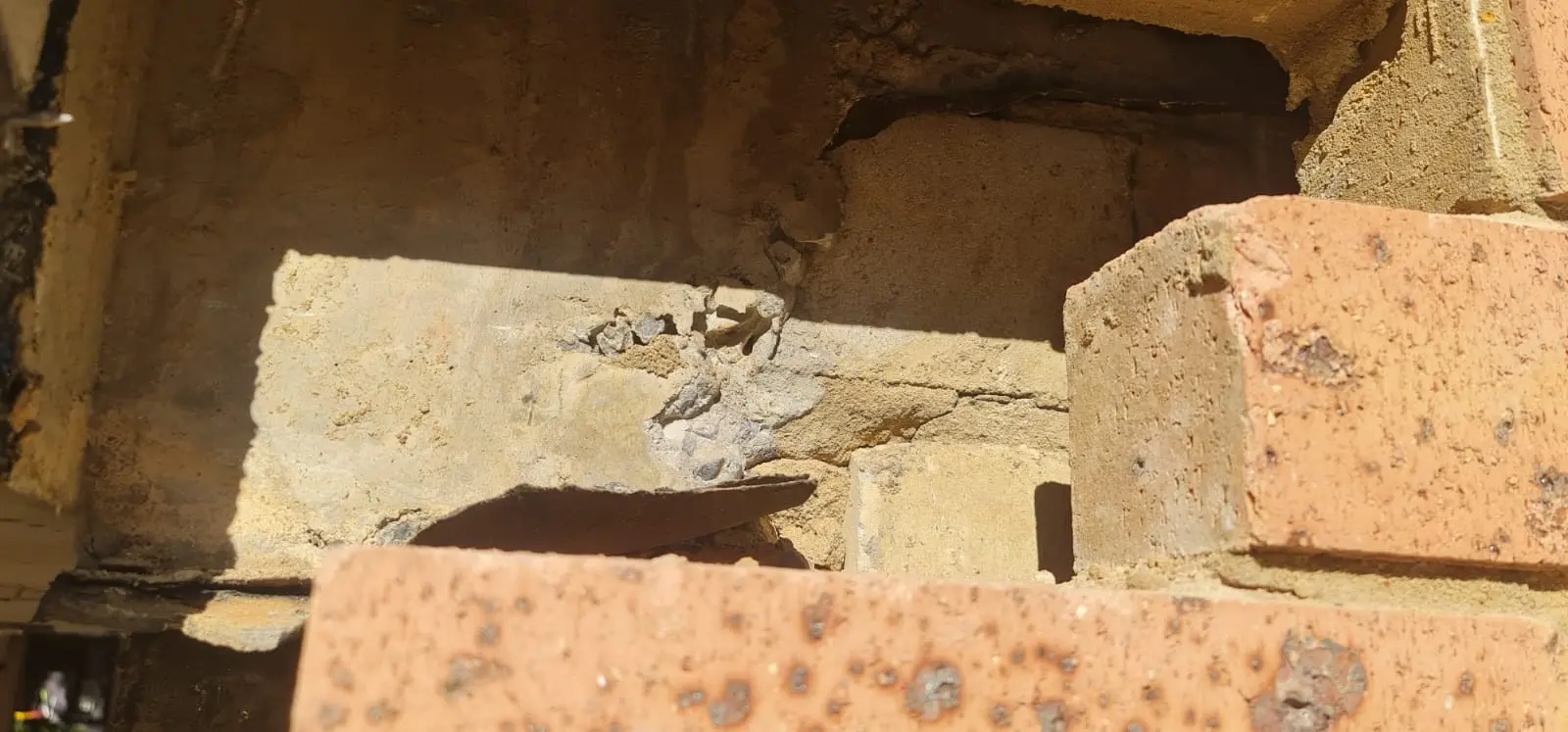
For an occupied strata building in Surry Hills, SCE delivered structural assessment and investigations, a remediation specification, an engineering inspection report, remediation design and tender management with specialist engineering consultants. The completed engagement shows how documented investigation can support an owners corporation’s procurement decisions. It was not a determination of waterproofing liability.
SCE can bring engineering, design, procurement, construction and project-management capability to the agreed remedial scope through its team and appointed specialists. Explore building waterproofing remediation or the focused strata waterproofing repair pathway.
For the wider approvals, funding, resident communication and closeout process, use Strata Works NSW. This article is general project-planning information; the scheme’s documents and project-specific advice determine responsibility.
Frequently asked questions
Is the owners corporation always responsible for bathroom waterproofing?
No blanket answer applies to every bathroom. Check the failed component, strata plan, current by-laws and renovation approvals, including any recorded maintenance obligation.
Does exclusive use of a balcony mean the lot owner pays for all repairs?
Exclusive use alone does not settle every maintenance question. Review the applicable common-property rights by-law, plan and alteration records for the affected component.
Does water appearing inside my apartment prove it is my repair?
No. Water can travel from another location. Document the entry source, pathway and resulting damage before matching the defect to the relevant ownership and maintenance records.
Can SCE determine who is legally liable for a leak?
SCE can investigate and document a construction scope and deliver agreed remedial work. Legal liability, interpretation of disputed by-laws and insurance entitlement require the relevant professional or policy assessment.
What should a strata manager send with a waterproofing enquiry?
Provide the building address, dated photographs, leak history, reports or drawings, relevant renovation information, affected areas, access constraints and the authorised project contact.