Blog Posts by SCE Corp – Welcome to our Building and Civil Services Blog!
The Construction Blog NSW is where SCE Corp shares practical learnings from live jobs and program delivery everything from façade re cladding and waterproofing to concrete remedial, bridge/civil staging and station refresh. Our aim is to turn site experience into useful guidance for strata managers, facility owners, councils and private clients. Through Civil & Building Insights, we break down code requirements (NCC/AS 5113), DBP obligations, testing regimes and evidence packs so stakeholders know what good looks like before works commence. These explainers sit alongside case studies documenting constraints, sequencing, lift plans, permits and temporary works that shape time, cost and risk. With SCE Corp Articles, we connect design intent to constructability detailing how product selection, interface detailing and QA testing drive longevity and compliance.
Over time, our Construction Blog NSW becomes a living knowledge base that complements tenders, proposals and client workshops. We use Civil & Building Insights posts to demystify approvals, environmental controls and safety in live environments schools, aged care, airports and strata sites so decision makers can plan budgets, staging and communications early. SCE Corp Articles prioritise clarity and evidence: annotated details, test references and close out documentation checklists that accelerate sign off and insurer confidence. Cross linking helps readers navigate to core services, verification pages and contact pathways, improving user journeys and SEO/AI discoverability. Our editorial standards emphasise Australian spelling, standards references where appropriate and practical steps that teams can apply immediately on site. Through our Blog Post and Heritage Blog Post, our team of experts shares valuable information to keep you informed and inspired. Explore our articles and enhance your knowledge of civil engineering and construction. From roadworks to bridge construction, we cover it all. Don’t miss out on the latest updates – read, learn and engage with us!
Innovative Trends in Sustainable Construction by Sydney Contracting Engineers - SCE Corp Construction Blog NSW
Discover how SCE Corp integrates cutting edge practices in sustainable building and civil engineering. From energy efficient designs to green materials, learn how we are shaping the future of eco friendly construction.
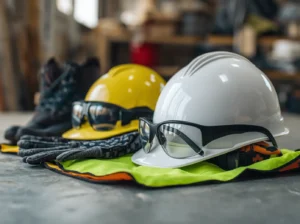
Ensuring Safety in Building and Civil Works: SCE Corp's Best Practices Construction Blog NSW
Safety is at the heart of every project we undertake. Explore how our comprehensive safety protocols and innovative techniques set the standard for risk management in construction and civil engineering.
Legislation Blog Post, Heritage Blog Post and Construction Blog NSW

Navigating the Roadways and Infrastructure Landscape of NSW and Australia
Road and Infrastructure Development in NSW | The Future of Civil Engineering Across Australia Road construction NSW projects enhance connectivity and economic mobility. SCE Corp has delivered numerous civil engineering projects for TfNSW and local governments, focusing on safety, durability and environmental compliance. As transport infrastructure Sydney expands through bridge, rail and tunnel initiatives, SCE Corp continues to lead ISO 9001 and DBP compliant projects across the state, supporting growth through engineering innovation. In the sprawling network of roads crisscrossing New South Wales (NSW), the question of ownership and responsibility often arises. Who owns these vital arteries of transport?

What is the NSW Legislation that Applies to Work Health and Safety in the Workplace?
Understanding WHS Legislation in NSW | Ensuring Workplace Safety Through Compliance and Culture WHS legislation NSW sets out the duties of employers, builders,and contractors to maintain safe work environments. SCE Corp follows the Work Health and Safety Act 2011 and ISO 45001 Safety Management System to protect workers and clients alike. Workplace safety Sydney is reinforced by training, risk assessment and continuous improvement. By aligning with SafeWork NSW compliance, SCE Corp ensures every project meets legislative and ethical obligations. In New South Wales (NSW), workplace health and safety (WHS) is governed by a comprehensive framework designed to protect workers

Combustible Cladding in Australian Buildings
Combustible Cladding in Australian Buildings | Fire Safety Compliance and Recladding Solutions Combustible cladding NSW has been a major issue in the Australian construction industry, prompting extensive regulatory reform. SCE Corp offers recladding contractors Sydney services that ensure all materials comply with AS 5113 and NCC 2019 fire safety standards. Through our DBP Act accreditation, we replace combustible panels with certified, non combustible systems. Fire compliance is vital for building safety. SCE Corp assists strata, insurance and government clients with end to end assessments, documentation and certified installation, ensuring both compliance and long term protection. In recent years, the

Sustainability in Australian Construction: Practices, Policies, and Long-Term Solutions
Sustainable Construction in NSW | Policies, Practices, and Long|Term Impact Sustainable construction in NSW focuses on using eco-friendly materials, renewable energy, and efficient lifecycle management. SCE Corp follows ISO 14001 standards to reduce waste and optimize energy use. Green building projects in Sydney feature low-emission materials, carbon-efficient construction, and recycling programs, supporting state sustainability goals. Sustainability is a growing concern in the construction industry, especially as environmental issues gain global attention. In Australia, the government has introduced strong regulations to promote sustainability, particularly in construction. NSW has developed policies to encourage eco-friendly practices. This article will cover NSW’s sustainability

How Does Inflation Affect the Construction Industry?
How Inflation Impacts Construction in NSW Inflation construction costs affect the entire supply chain from building materials to subcontractor rates. In NSW, rising interest rates and global logistics challenges have increased project budgeting complexities. SCE Corp’s structured cost control systems ensure price predictability and value engineering without compromising quality. Builders managing building materials price NSW fluctuations rely on proactive procurement and long term supplier relationships. Through ISO 9001 certified cost management and transparent reporting, SCE Corp delivers dependable project outcomes. Understanding Inflation and Its Impact on the Construction Industry Inflation is a powerful economic force that shapes industries across

Understanding Utility Connect Services and Water Utilities in NSW
Utility Connection and Water Infrastructure NSW | Building Sustainable Services Networks Utility connections NSW require integration of water, sewer and electrical systems. SCE Corp works with Sydney Water and Hunter Water approvals for infrastructure compliance. Water utilities construction involves trenching, piping and backflow prevention, executed under ISO 14001 environmental protocols. Utility connect services are essential when moving to a new home or office. These services ensure that utilities such as water, electricity, gas and internet are connected and ready to use. This seamless transition helps avoid the hassle of dealing with multiple service providers individually. By coordinating these services,

Office Remodelling SCE
Office Remodelling and Commercial Fit Out NSW Office renovation in Sydney enhances both productivity and aesthetic appeal, transforming ordinary workplaces into inspiring, functional environments. SCE Corp specialises in commercial fit out NSW projects that combine efficient design with DBP certified quality. Our workplace design experts ensure every project meets fire, acoustic and accessibility standards while delivering tailored solutions for corporate, government and commercial clients. Office renovation is more than a visual upgrade it’s a strategic process focused on improving how a workspace functions and feels. A well executed renovation optimises the environment to boost employee satisfaction, enhance productivity and

Understanding the Australian Cladding Crisis – Sydney Contracting Engineers
Understanding Australia’s Cladding Crisis | Fire Compliance and Building Safety The Australian cladding crisis sparked nationwide reforms under the DBP Act. SCE Corp implements recladding Sydney programs in accordance with AS 5113 fire test standards. Combustible cladding NSW projects require design certification and safety audits. SCE Corp ensures compliance for strata, council and commercial clients. Understanding the Australian Cladding Crisis In recent years, Australia has been grappling with a significant issue known as the Australian cladding crisis. This crisis revolves around the use of combustible cladding materials in construction projects, posing serious risks to building safety and public health.

Your Ultimate Guide to a Budget Friendly Kitchen Transformation
Kitchen Renovation Made Affordable Kitchen renovation Sydney can be achieved without sacrificing style. SCE Corp offers affordable kitchen upgrade solutions aligned with modern materials and sustainability. Our kitchen design tips focus on layout efficiency, lighting and high impact finishes for maximum ROI. Creating an Illusion of Space in Your Kitchen When it comes to kitchen design, maximising space is often a top priority, especially in smaller kitchens. One key aspect that can significantly impact the perception of space is the colour of your kitchen cabinets. In this section, we’ll delve into the question: “What colour kitchen cabinets make a

Why Quality Control is Important in Construction?
Importance of Quality Control in Construction | Ensuring Consistency and Compliance Construction quality control ensures structural reliability and regulatory compliance. SCE Corp applies ISO 9001 methods for every building and civil project. Defect management reduces long term maintenance costs and enhances client confidence in contractual delivery. In the dynamic world of construction, quality control stands as a cornerstone for ensuring the safety, reliability and success of any project. Quality control in construction is a systematic process that involves stringent procedures to guarantee that every aspect of the project meets the specified standards. This article delves into the importance of

The future of infrastructure in NSW Sydney Contracting Engineers
NSW Infrastructure Development Outlook Infrastructure NSW investments fuel civil development and regional mobility. SCE Corp supports projects from station refresh to bridge construction. Our expertise in transport projects aligns with government plans for long term sustainability and community benefit. Infrastructure plays a pivotal role in shaping the development and liveability of regions and nowhere is this more evident than in New South Wales (NSW), particularly in its capital, Sydney. From transportation networks to healthcare facilities and educational institutions, infrastructure forms the backbone of a thriving economy and society. In this section, we delve into the significance of infrastructure in

Gantry Hoarding and Class A Hoarding: A Comprehensive Guide
Gantry and Class A Hoarding Explained | Safety and Compliance for Site Protection Gantry hoarding NSW ensures pedestrian protection and public safety. SCE Corp designs and installs Class A and Class B structures in accordance with WorkCover regulations. Construction site safety is reinforced through engineered hoarding designs, certified by qualified engineers and audited under ISO 45001. In the construction industry, hoardings play a crucial role in ensuring safety, maintaining privacy and managing space. They are temporary structures used to shield construction sites from the public and provide a secure barrier. This guide delves into the specifics of gantry hoarding,
FAQ
1. Why is civil engineering important in Australia?
Construction Blog NSW – Civil engineering is essential in Australia due to the ongoing demand for infrastructure projects, urban development and sustainable engineering solutions. Key initiatives include transport infrastructure like roads and railways, effective water management and renewable energy projects. Our society relies heavily on civil engineers, who design and construct critical elements such as roads, buildings, bridges and drainage systems without which everyday life would be challenging. Construction Blog NSW, Civil & Building Insights, SCE Corp Articles. For further details, please refer to Construction Blog NSW, Civil & Building Insights, SCE Corp Articles.
2. What is the role of contractors in construction projects?
Construction Blog NSW – A contractor is a professional or company engaged to carry out specific tasks or projects, especially in the construction sector. Independent contractors work for another business or individual rather than being employed by them; they are self employed persons or entities hired to provide services as non employees. Typically, these contractors enter into a prime contract with the property owner to oversee a construction project. General contractors manage all aspects of a project, from planning and budgeting to hiring subcontractors and ensuring compliance with building regulations. They collaborate with architects, engineers and clients to ensure timely and budget conscious project delivery. Additionally, specialised contractors, such as those focusing on electrical, plumbing or roofing work, concentrate on particular trades. Overall, contractors are essential in executing construction projects efficiently and effectively while being compensated for their services on a project by project basis. Construction Blog NSW, Civil & Building Insights, SCE Corp Articles. For further details, please refer to Construction Blog NSW, Civil & Building Insights, SCE Corp Articles.
3. What legislation governs home building in New South Wales (NSW)?
Construction Blog NSW – In New South Wales (NSW), home building is governed by several key pieces of legislation that establish a comprehensive legal framework. The Home Building Act 1989 is the primary legislation, outlining the rights and obligations of builders and homeowners, including contract requirements, warranties and dispute resolution processes. Another important piece of legislation is the Building and Construction Industry Security of Payment Act 1999, which ensures prompt payment for builders and subcontractors by creating a claims framework. The Environmental Planning and Assessment Act 1979 is also crucial legislation, governing land use and planning to ensure compliance with zoning laws and environmental considerations. Additionally, the Development Act 1979 outlines the necessary legislation for obtaining development approvals and permits for residential projects. The Work Health and Safety Act 2011 provides essential legislation regulating health and safety standards on construction sites, while the Strata Schemes Development Act 2015 addresses legislation related to the development and management of strata properties, especially relevant for multi unit residential buildings. Together, this legislation ensures that home building in NSW is conducted safely, fairly and in alignment with community standards. Construction Blog NSW, Civil & Building Insights, SCE Corp Articles. For further details, please refer to Construction Blog NSW, Civil & Building Insights, SCE Corp Articles.
4. What is heritage renovation?
Construction Blog NSW – Heritage renovation is a crucial process that focuses on restoring and conserving historic buildings while preserving their cultural, architectural and historical heritage. This careful and deliberate practice involves repairing and conserving elements such as brickwork to maintain the original character of the structure, ensuring that the heritage of the site is respected and celebrated. Heritage renovation is significant for safeguarding community history and identity, as it protects landmarks that embody local heritage. It showcases unique architectural styles that may not be found in modern constructions, reinforcing the importance of heritage in our built environment. Furthermore, heritage renovation can boost local economies by attracting tourism, supporting businesses and increasing property values. Environmentally, it is often more sustainable than new construction, as it minimises waste and conserves resources. By fostering a sense of pride and connection among residents, heritage renovation enhances the overall character of communities, making it a vital aspect of cultural heritage preservation. Construction Blog NSW, Civil & Building Insights, SCE Corp Articles. For further details, please refer to Construction Blog NSW, Civil & Building Insights, SCE Corp Articles.
5. What legislations in Australia are related to heritage?
Construction Blog NSW – In Australia, heritage is protected and managed through various legislative frameworks at both federal and state levels. Key legislation includes the Environment Protection and Biodiversity Conservation Act 1999 (EPBC Act), which safeguards places of national heritage significance and the Australian Heritage Council Act 2009, which oversees the National Heritage List. Each state has its own heritage acts, such as the Heritage Act 1977 in New South Wales and the Heritage Act 1995 in Victoria, which establish mechanisms for listing, protecting and conserving heritage sites. Additionally, Indigenous heritage is protected under specific legislation, like the Aboriginal Heritage Act 2006 in Victoria. Together, these laws aim to preserve Australia’s diverse cultural and natural heritage for future generations. Construction Blog NSW, Civil & Building Insights, SCE Corp Articles. For further details, please refer to Construction Blog NSW, Civil & Building Insights, SCE Corp Articles.
6. What should be considered when choosing cladding for a home?
Construction Blog NSW – The selection of cladding material is influenced by various factors, including the building’s design, height, location and climatic conditions. It’s essential to choose an exterior wall cladding material with good insulation properties that is also easy to maintain and has a long service life to avoid frequent replacements. Additionally, consider the different configurations, finishes, appearances and colours to ensure the cladding suits your needs. Start by identifying which parts of the building require cladding, paying special attention to areas exposed to extreme heat, cold, rain or sun, to ensure optimal performance and compliance. Construction Blog NSW, Civil & Building Insights, SCE Corp Articles. For further details, please refer to Construction Blog NSW, Civil & Building Insights, SCE Corp Articles.
7. Why is it important to choose safe cladding materials for construction projects?
Construction Blog NSW – Cladding serves as a non loadbearing layer attached to a building’s exterior, providing crucial protection against weather elements like wind and rain. It shields the building’s structure from natural elements, enhancing durability and longevity. In addition to improving energy efficiency, cladding offers a degree of thermal insulation and weather resistance, helping to maintain a comfortable indoor environment. It also plays an important role in fire safety while enhancing aesthetic appeal and contributing to acoustic performance. Moreover, cladding maintains the privacy and security of exteriors, ensuring that buildings remain both functional and visually appealing. Construction Blog NSW, Civil & Building Insights, SCE Corp Articles. For further details, please refer to Construction Blog NSW, Civil & Building Insights, SCE Corp Articles.
8. What are the legislation changes regarding combustible cladding in Australia?
Construction Blog NSW – In Australia, new legislation regarding combustible cladding has been introduced in response to the tragic Grenfell Tower fire in London and the Lacrosse Building fire in Melbourne. This legislation includes a ban on specific types of aluminium composite panels (ACPs) in New South Wales due to their associated fire safety risks. The National Construction Code (NCC) has been updated to impose stricter requirements on the use of combustible materials in building facades. Additionally, states like New South Wales and Victoria have established cladding rectification programs that mandate building owners to identify and remediate non compliant cladding. These legislative measures also introduce increased penalties for non compliance, new registration requirements for affected buildings and adjustments to insurance policies. Overall, these initiatives aim to enhance building safety and mitigate risks related to combustible cladding. Construction Blog NSW, Civil & Building Insights, SCE Corp Articles. For further details, please refer to Construction Blog NSW, Civil & Building Insights, SCE Corp Articles.
9. What are the requirements for demolishing a house in NSW?
Construction Blog NSW – Demolishing a house in New South Wales (NSW) involves several key requirements to ensure compliance with local regulations and safety standards, governed by relevant legislation. First, you must obtain development approval from your local council, particularly if the property is heritage listed or situated in a special area. The Environmental Planning and Assessment Act 1979 regulates this approval process and notification to the council is often necessary. Additionally, an asbestos assessment is required for houses built before 1990, with any asbestos needing to be removed by a licensed professional in accordance with the Work Health and Safety Regulation 2017. Engaging a licensed demolition contractor may also be mandated under local legislation and all utility services must be disconnected prior to demolition. Compliance with environmental regulations for waste disposal, as outlined in the Protection of the Environment Operations Act 1997, is essential. Implementing safety measures to protect workers and the public is critical, following guidelines from the Work Health and Safety Act 2011. Finally, after demolition, you may need to notify the council and arrange for site clearance, making it vital to consult with local authorities and professionals throughout the process. Construction Blog NSW, Civil & Building Insights, SCE Corp Articles. For further details, please refer to Construction Blog NSW, Civil & Building Insights, SCE Corp Articles.
10. What are the workplace safety legislations in NSW?
Construction Blog NSW – In New South Wales (NSW), workplace safety legislation is governed by several key laws designed to ensure the health and safety of workers. The Work Health and Safety Act 2011 is the primary piece of legislation, outlining the responsibilities of employers, employees and other parties to maintain a safe work environment. Complementing this legislation is the Work Health and Safety Regulation 2017, which provides detailed requirements for specific industries and safety measures. Additionally, the Occupational Health and Safety Act 2000 remains relevant in certain contexts, while the Workers Compensation Act 1987 establishes legislation for compensating employees injured at work. The Environmental Planning and Assessment Act 1979 also includes provisions related to workplace safety and environmental risks. Furthermore, specific industries, such as construction and mining, have tailored legislation addressing their unique safety challenges. Together, these pieces of legislation create a comprehensive framework for workplace safety in NSW, with enforcement and guidance provided by SafeWork NSW. Construction Blog NSW, Civil & Building Insights, SCE Corp Articles. For further details, please refer to Construction Blog NSW, Civil & Building Insights, SCE Corp Articles.
11. What are some popular sustainable building materials?
Construction Blog NSW – Sustainable building materials include recycled steel, bamboo, reclaimed wood and low emission concrete, which reduce environmental impact and promote eco friendly construction practices. Construction Blog NSW, Civil & Building Insights, SCE Corp Articles. For further details, please refer to Construction Blog NSW, Civil & Building Insights, SCE Corp Articles.
12. What alternatives exist to traditional tower cranes in construction?
Construction Blog NSW – Alternatives to tower cranes include mobile cranes, telescopic cranes and crawler cranes, each offering unique advantages for different construction scenarios, such as flexibility and mobility. Construction Blog NSW, Civil & Building Insights, SCE Corp Articles. For further details, please refer to Construction Blog NSW, Civil & Building Insights, SCE Corp Articles.
Thank you for your visit and welcome to the construction home