
Strata Subsidence Repair Sydney NSW
SCE Corp delivers strata subsidence repairs and rectification works in Sydney, combining engineering capability with construction planning and delivery. We bring together the investigation findings, repair design, access, temporary works and staging needed to resolve complex defects in affected common property.
Required engineering or geotechnical investigation and design establish the repair approach before rectification proceeds. SCE coordinates those inputs with the construction scope, approvals, access and site-safety requirements.
Share the property address, photographs and available reports for an initial scope-fit review.
Subsidence decisions supported by engineering experience
Managing Director Frank MANESH brings experience in foundations, structural investigations, building defects and remedial solutions. SCE applies that knowledge to the connection between observed movement, underlying services, retained structure and the design of a repair.
Operations Director Farshid MANESH contributes programming and delivery experience for access, temporary measures and staged construction. The Surry Hills record below demonstrates completed assessment and design-related deliverables; the Lane Cove school project separately demonstrates footing and sewer-line repair after investigation of subsidence.
Signs of Subsidence in Strata Buildings
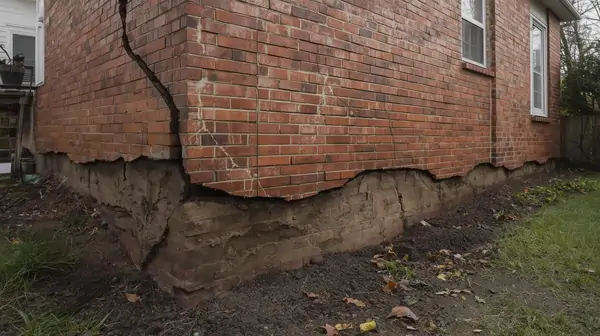
Movement in a building can appear through stepped cracking, separation at joints, uneven surfaces, displaced finishes or doors and windows becoming difficult to operate. These signs do not establish the cause on their own. Moisture changes, drainage, soil conditions, footing behaviour, nearby excavation and other factors may need to be considered by the relevant consultant.
For strata properties, early records help the owners corporation distinguish isolated cosmetic damage from movement that requires further investigation. Useful evidence can include dated photographs, previous reports, maintenance history and information about when or where the signs change.
If the cause, urgency or next responsibility is not yet clear, use the defects triage guide for strata and asset owners as a structured starting point before defining a construction scope.
Scope boundary: SCE provides construction-first review and delivery support. Structural diagnosis, geotechnical advice and engineering design must be provided by appropriately qualified consultants where required.
Engineering Evidence and Remedial Scope
A reliable construction scope should follow the available evidence and any required engineering design. Before pricing or programming suitable works, SCE may review:
- structural or geotechnical reports and relevant drawings;
- the location and extent of visible movement or cracking;
- access constraints, occupied areas and common-property interfaces;
- temporary works, protection and sequencing requirements;
- approvals, inspections and hold points relevant to the scope; and
- reinstatement and handover requirements after rectification.
This review helps identify information gaps before construction begins and reduces the risk of pricing a repair method that does not match the consultant's requirements or actual site conditions.
What affects the cost of strata subsidence repairs?
The cost depends on the cause and extent of the movement, the investigation and engineering design required, and the repair method specified for the building. Common-property access, occupied areas and staged work can affect labour, equipment and programme requirements. Allowances may also be needed for temporary support, protection of services and adjoining areas, inspections, testing and reinstatement of affected finishes or landscaping.
For a useful comparison, obtain quotations against the same defined scope and check what each includes for investigation, design, construction and handover. Clear assumptions and allowances help the owners corporation assess the whole project cost.
Controlled Subsidence Rectification Works
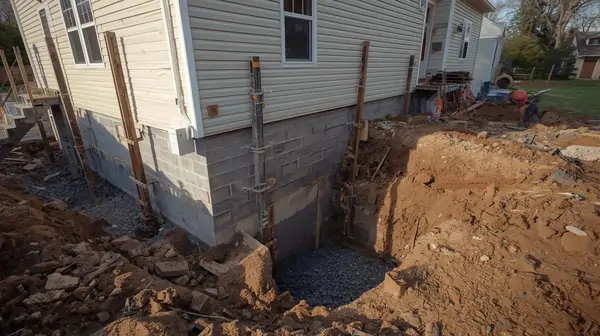
The final repair method depends on the confirmed cause, consultant requirements and site conditions. Suitable construction work may involve access preparation, local excavation, footing or substrate works, crack repairs, drainage-related work and reinstatement. SCE does not prescribe one standard method for every building.
- Review: confirm available evidence, scope boundaries, responsibilities and missing information.
- Plan: establish access, staging, protection, work areas, inspections and stakeholder communication.
- Deliver: complete the approved construction scope with agreed quality and progress records.
- Close out: record completed work, relevant checks, outstanding matters and handover information.
Project-specific requirements are confirmed before work starts. Where NSW DBP registration or regulated design obligations apply, they must be addressed for the relevant building class and scope.
For the broader service pathway, review building subsidence remediation. The SCE System outlines SCE's controlled approach to scope, delivery evidence and project closeout.
Common Property Access and Stakeholder Coordination
Subsidence-related work can affect common property, private lots, external access, landscaping, services or occupied areas. The construction programme should identify who controls each area, how access will be arranged and what protection or temporary measures are required.
For suitable projects, SCE can coordinate agreed work fronts, resident or stakeholder updates, site controls, progress evidence and staged handover. The owners corporation, strata manager, consultants and contractors retain their respective responsibilities under the approved project arrangements.
See the Surry Hills strata building investigation and remedial works project for a related SCE project example.
Related Strata and Building Remedial Services
Frequently Asked Questions
What signs may indicate subsidence in a strata building?
Signs can include stepped cracking, movement at joints, uneven surfaces or doors and windows becoming difficult to operate. These signs do not confirm the cause and may require engineering assessment.
Does SCE provide the engineering diagnosis?
SCE reviews available evidence for construction planning. Where diagnosis or design is required, an appropriately qualified engineer or geotechnical consultant should define the relevant technical requirements.
What can strata subsidence rectification involve?
The construction scope depends on the confirmed cause and design. It may include access works, local excavation, footing or substrate works, crack repairs and reinstatement.
How are common-property works coordinated?
Planning can address access, work zones, resident notices, protection measures, progress reporting and handover records for the agreed scope.
How long does subsidence repair take?
Timing depends on investigation, design, access, approvals, site conditions and the selected rectification method. A programme can be prepared once the scope is sufficiently defined.
When may DBP requirements apply?
Requirements depend on the building class and scope. SCE applies DBP-aware delivery where applicable and confirms project-specific requirements during review.
Discuss a Strata Subsidence Scope
Send the available evidence to SCE so the team can confirm whether the proposed construction work fits SCE's delivery scope and identify the next information required.