Start with consequence, not noise
A defect list is not yet a repair plan
Strata committees, building managers and asset owners often receive a mixture of resident reports, photographs, consultant observations, maintenance requests and quotations. Defect triage turns that mixed information into a controlled decision sequence. Its purpose is to identify what needs immediate controls, what needs prompt investigation, what can enter planned works and what should be monitored with a defined review date.
Triage is not a substitute for engineering, building, fire, waterproofing, electrical or other specialist advice. It helps the asset owner direct the right expertise to the right issue and create a clear path from observation to scope, approval and delivery. For integrated engineering and construction support, SCE’s Building Remedial Services team brings investigation, design, procurement and delivery capability through SCE and its appointed specialists, with each regulated responsibility clearly assigned.
Priority 1
Immediate risk or active damage
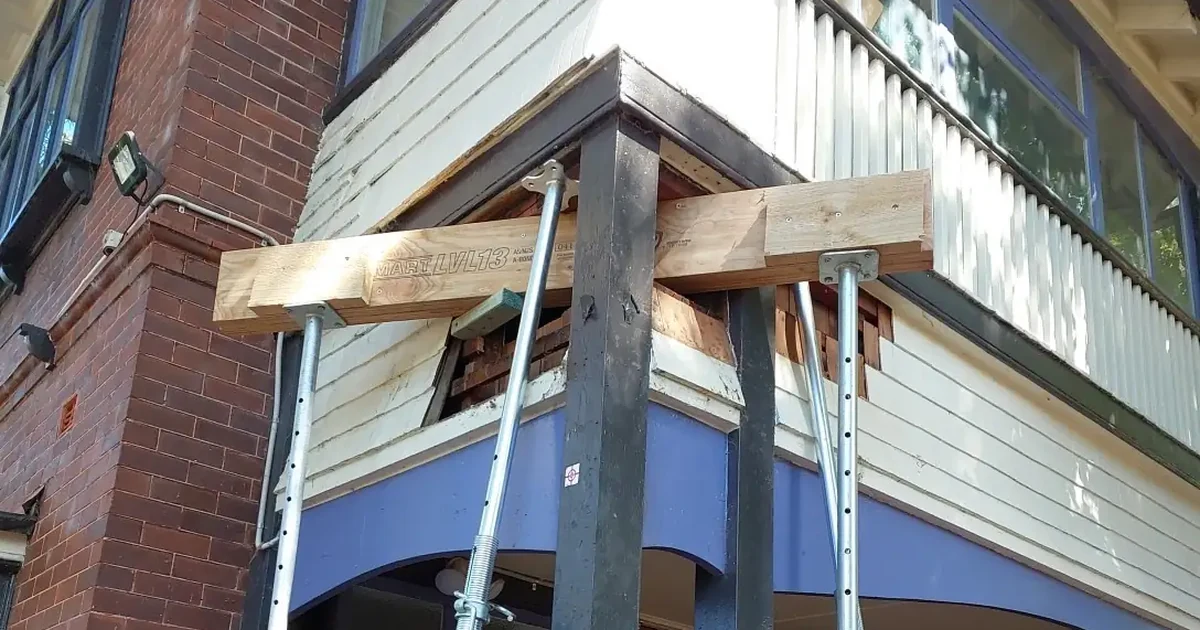
Examples may include an unsafe loose element, uncontrolled water entry near electrical assets, signs of instability, a failed barrier, a blocked essential access route or another condition presenting an immediate safety or property risk. Isolate the area where safe to do so, escalate to the appropriate emergency or specialist response and record the control.
Priority 2
Prompt investigation or containment
The issue is not an immediate emergency, but delay may materially increase damage, disruption or cost. Set an inspection timeframe, define any temporary containment and assign a person to confirm the next decision.
Priority 3
Planned remedial work
The cause and required outcome are sufficiently understood for scoping, access planning, approvals and pricing. Group compatible work where this improves safety, efficiency or reinstatement.
Priority 4
Monitor with a trigger
Monitoring must have a location, baseline, owner, interval and escalation trigger. “Watch it” without those controls is not a closed action and should not disappear into meeting minutes.
Emergency boundary: if there is an immediate threat to people or property, contact emergency services or the relevant authority as appropriate and engage suitably qualified assistance. Do not enter an unsafe area, disturb suspected hazardous material or rely on a webpage to diagnose a structural, electrical, fire or public-safety condition.