Category: Construction Blog

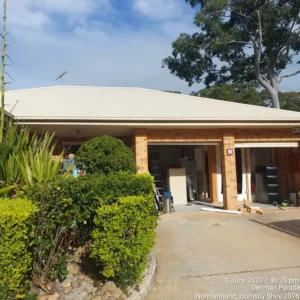
Cladding defects and water ingress warning signs on a commercial building façade in NSW

Cladding Defects and Water Ingress: Warning Signs for NSW Building Owners

Façade condition, recurring leaks and early investigation Cladding Defects and Water Ingress: Warning Signs for NSW Building Owners Cladding and façade systems protect buildings from weather and moisture. Defects can develop as materials age, buildings move or maintenance needs go unresolved. Staining, cracked sealants, water ingress or panel movement can indicate façade problems that need investigation, even when the visible damage appears minor. This guide helps strata managers, owners corporations, facility managers and commercial property owners recognise warning signs, decide when to arrange further investigation, and plan maintenance or remedial work. Review

Read More »
Federal Budget 2026 infrastructure and construction Australia showing cranes, civil works and Sydney construction activity

Federal Budget 2026 | NSW Construction & Infrastructure

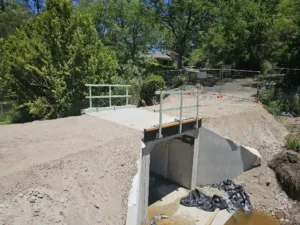
2026–27 Australian Budget guide for NSW project teams Federal Budget 2026: What NSW Construction Clients Should Plan For The 2026–27 Federal Budget includes transport investment, housing-enabling infrastructure and tax measures that may influence the timing and feasibility of NSW projects. This guide turns the headline measures into practical questions for clients preparing civil, subdivision, new-build or remedial work. Access construction from SCE’s Mount Colah civil subdivision project. This illustrates SCE’s civil delivery experience and is not presented as a project funded by the 2026–27 Budget. Discuss a project with SCE Explore SCE

Read More »
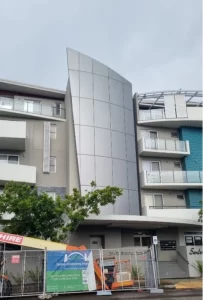
Belmont apartment façade during recladding works, with site fencing and access equipment

DBP Remedial Works NSW: A Practical Guide for Strata and Building Managers

DBP Remedial Works NSW: A Practical Guide for Strata and Building Managers For Class 2 buildings, including mixed-use buildings with a Class 2 part, remedial building work can trigger Design and Building Practitioners Act obligations where regulated building elements or performance solutions are involved, unless an exclusion or the emergency remedial pathway applies. For strata managers, owners corporations, building managers and facility teams, the practical issue is simple: before a remedial project is priced, approved or started, the project team should understand whether DBP obligations may apply and what documentation pathway may

Read More »
Excavation site with retaining structures and erosion control systems in place

Erosion and Sediment Control Planning for NSW Sites

NSW construction-site planning guide Erosion and Sediment Control for NSW Construction Sites Land disturbance changes how water moves across a site. SCE coordinates erosion and sediment controls with engineering, earthworks, drainage and the construction sequence. This guide explains the risks, plan inputs, inspection responsibilities and records to resolve before work starts, and how to keep controls effective as the site changes. Excavation and retaining structures show why exposed slopes, access and runoff paths need coordinated controls. Discuss your civil works scope View SCE Civil Services Erosion control and sediment control are different

Read More »
Two construction professionals reviewing insurance repair documentation and damage reports on a clipboard inside a building in Sydney

Insurance Repair Documentation Checklist for NSW Building Owners

Insurance repair documentation checklist Insurance Repair Documentation Checklist for NSW Building Owners Building damage can involve immediate safety work, insurer or assessor processes, investigations, design information and permanent construction. This practical checklist helps owners, strata teams and property managers keep the records needed to coordinate those stages without confusing temporary protection with the final repair scope. Discuss Your Insurance Repair Review SCE Insurance Services Construction professionals reviewing repair documentation Quick answer What records should be kept during an insurance building repair? Keep a dated record of the incident and visible damage, instructions

Read More »
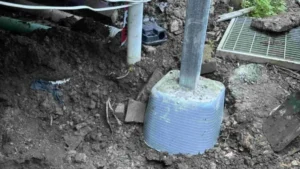
New permanent concrete footing and steel post installed during SCE remedial works in Lane Cove

Options for Addressing Structural Damage

Structural-damage decision guide Options for Addressing Structural Damage The appropriate response may be urgent risk controls, monitoring, source correction, local repair, strengthening, alteration or replacement. The visible symptom alone does not determine which option is suitable. Direct answer: first control any immediate hazard, then establish the cause, extent, structural significance and required performance. Compare technically acceptable options against safety, access, temporary works, approvals, disruption, programme, cost and whole-of-life requirements before selecting the construction scope. What to do when structural damage is suspected Control immediate risk Keep people clear of loose material, unstable

Read More »