NSW project delivery guide

Civil Engineers, Construction Engineers and Civil Contractors: Who Does What?

These roles contribute different skills to civil and infrastructure projects. Clear appointments, accepted information and defined responsibility boundaries help clients and delivery teams coordinate design, constructability and site execution without assuming that one party automatically performs every professional or statutory function.

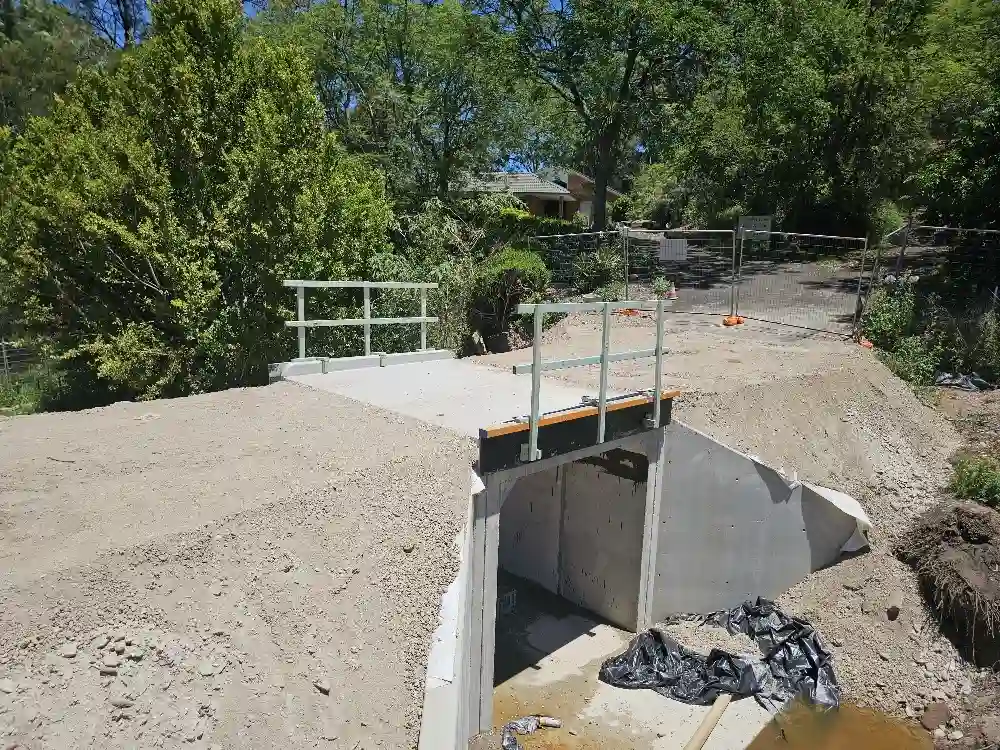
Reconstructed bridge and box-culvert crossing after backfilling in Emu Heights
Genuine SCE project imagery: completed bridge and box-culvert reconstruction at Emu Heights, NSW.

Different roles, coordinated delivery

Start With the Appointment and the Project Scope

Job titles alone do not determine responsibility. A civil engineer may be appointed for a defined investigation, analysis or design scope. A construction engineer may focus on constructability, temporary works, sequencing or technical coordination. A civil contractor plans and performs the physical works within its contract and the accepted project requirements.

The exact relationship depends on the contract, project type, procurement model and applicable NSW requirements. Consultant, designer, certifier and registered-practitioner responsibilities remain with the appropriately appointed parties. SCE is NSW DBP registered; whether DBP obligations apply depends on the building, work and project-specific circumstances.

SCE's Civil Services page remains the primary civil-construction pathway. For a defined engineering enquiry, use the separate Engineering Services pathway.

Three connected functions

How the Roles Commonly Contribute

Civil engineer

A civil engineer may investigate conditions, analyse technical requirements and prepare civil engineering information within an agreed discipline and scope. This can include drainage, levels, pavements, earthworks, services or structural-civil interfaces, depending on the appointment.

Construction engineer

A construction engineer may connect accepted technical information to methodology, temporary conditions, sequencing, access, plant, interfaces, hold points and site queries. The role does not automatically make that person the original designer or certifier.

Civil contractor

A civil contractor mobilises and manages the resources needed to perform the contracted works. Responsibilities commonly include safety, quality controls, subcontractor coordination, records, programme and escalation of discrepancies or changed site conditions.

One organisation may hold more than one appointment

An integrated team can provide engineering, construction and coordination services where those services are expressly included. Each deliverable and statutory function should still be assigned to the appropriately competent and appointed party rather than inferred from a company description or job title.

From information to construction

A Practical Coordination Sequence

1. Define scope and owners

Identify the work package, design disciplines, consultant appointments, contractor scope, statutory pathways and responsibility matrix. Record exclusions and unresolved information.

2. Test constructability

Compare the accepted information with access, existing assets, underground services, temporary conditions, sequencing, procurement and plant constraints. Raise queries before affected work proceeds.

3. Control site delivery

Use current revisions, inspection and test plans, hold points, change controls, survey records and completion evidence. Refer technical decisions and certification to the appointed parties.

The Engineering Design hub explains related disciplines. For document status and construction interfaces, read the companion guide to civil engineering design coordination.

Genuine SCE project evidence

Representative Civil Construction Contexts

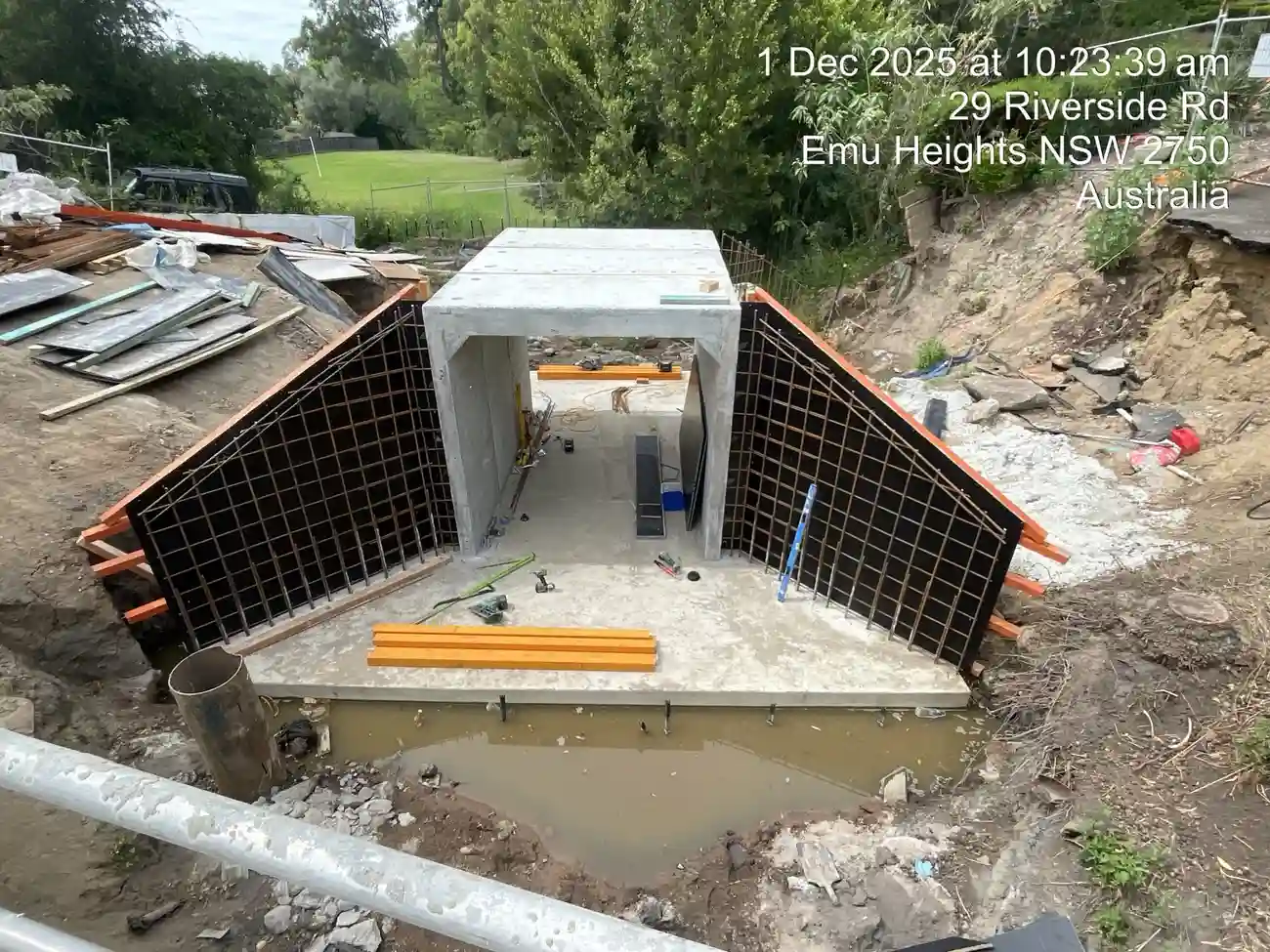
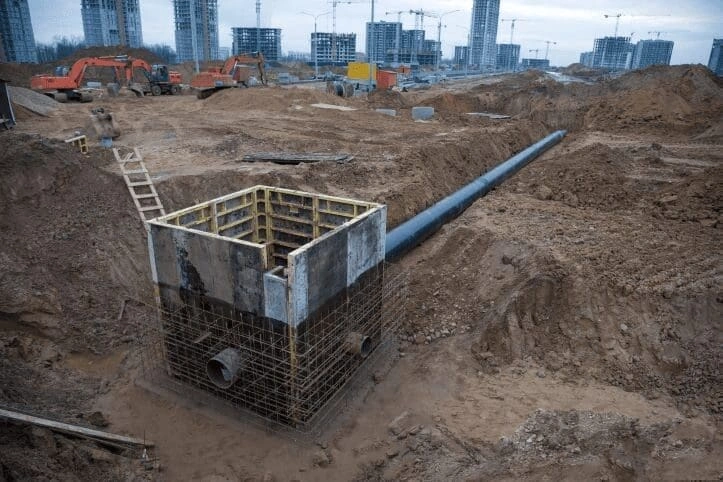
These genuine SCE project images show civil delivery activities and completed work. They are representative construction evidence only; they do not establish that the same design, certification or registered-practitioner appointment applied to every project.

Choose the right next step

Relevant Service and Planning Pathways

Civil construction delivery

For drainage, earthworks, concrete, access, pavement or related delivery requirements, start with Civil Services.

Concrete remediation

Where deterioration or concrete defects affect the scope, review the separate Concrete Remediation pathway.

Frequently asked questions

Civil Engineering and Contracting Roles

What is the difference between a civil engineer and a construction engineer?

A civil engineer may focus on investigation, analysis or design within an agreed discipline and appointment. A construction engineer may focus on constructability, methodology, sequencing, temporary conditions and technical coordination during delivery. Actual responsibilities depend on the project and contract.

What does a civil contractor do?

A civil contractor performs the contracted physical works and manages relevant labour, plant, materials, subcontractors, safety, quality controls, programme and site records. The contractor should escalate discrepancies and changed conditions through the project's agreed process.

Does a contractor automatically approve designs or certify completed work?

No. Design approval, regulated declarations, independent certification and other professional or statutory functions depend on the applicable requirements and the parties formally appointed to perform them. Construction coordination does not automatically transfer those responsibilities.

Can one organisation provide engineering and construction services?

Yes, where both services are expressly included and appropriately resourced. The project should still define each scope, deliverable, review, declaration and certification responsibility rather than assuming that an integrated provider performs every role.

How should clients choose the right project team?

Start with the project objective, location, site constraints, available documents, approval pathway and intended procurement model. Then identify the engineering disciplines, construction scope and any independent review or certification appointments required.

How can SCE assess whether its services fit a civil project?

SCE can review the project location, objective, current documents, known constraints and requested scope. It can then advise whether its engineering, civil construction or coordination services appear relevant and what further information may be required.

For more practical project guidance, visit the SCE Blog.

Define the appointment

Discuss Your Civil Engineering and Construction Requirements

Share the project location, objective, current information, known constraints and requested scope. SCE can review the available material and advise whether its engineering, civil construction or coordination services are a practical fit.