Cut, Removal and Formation Work
Staged bulk excavation, cut-to-level activities and formation preparation to the documented levels and construction requirements.

Civil Services | Bulk Earthworks
Sydney Contracting Engineers (SCE Corp) delivers bulk excavation for civil, commercial, infrastructure and site-development projects across Sydney and selected NSW regions, including staged excavation, spoil coordination and formation preparation.
We coordinate the excavation sequence, loading, spoil movements and formation handover with the wider civil works. Survey, design and specialist material assessments can be integrated through the agreed appointments; statutory approval and independent certification decisions remain with the responsible parties.
Bulk excavation generally addresses larger-volume cut, removal, filling or formation work. Before confirming project fit, SCE reviews the available drawings, survey and level information, geotechnical or contamination records, known services, site access, staging, spoil requirements and nominated hold points.
Frank Manesh’s wider career experience includes station-box bulk earthworks on the North West Rail Link and rock excavation on the Redbank Tunnel Deviation. This experience complements SCE’s Emu Heights bridge and culvert works and supports practical planning of excavation sequences, plant access, temporary works and ground-condition interfaces.
Return to the Bulk Earthworks Services hub, or review the separate Detailed Excavation pathway for localised or tighter-tolerance excavation work.
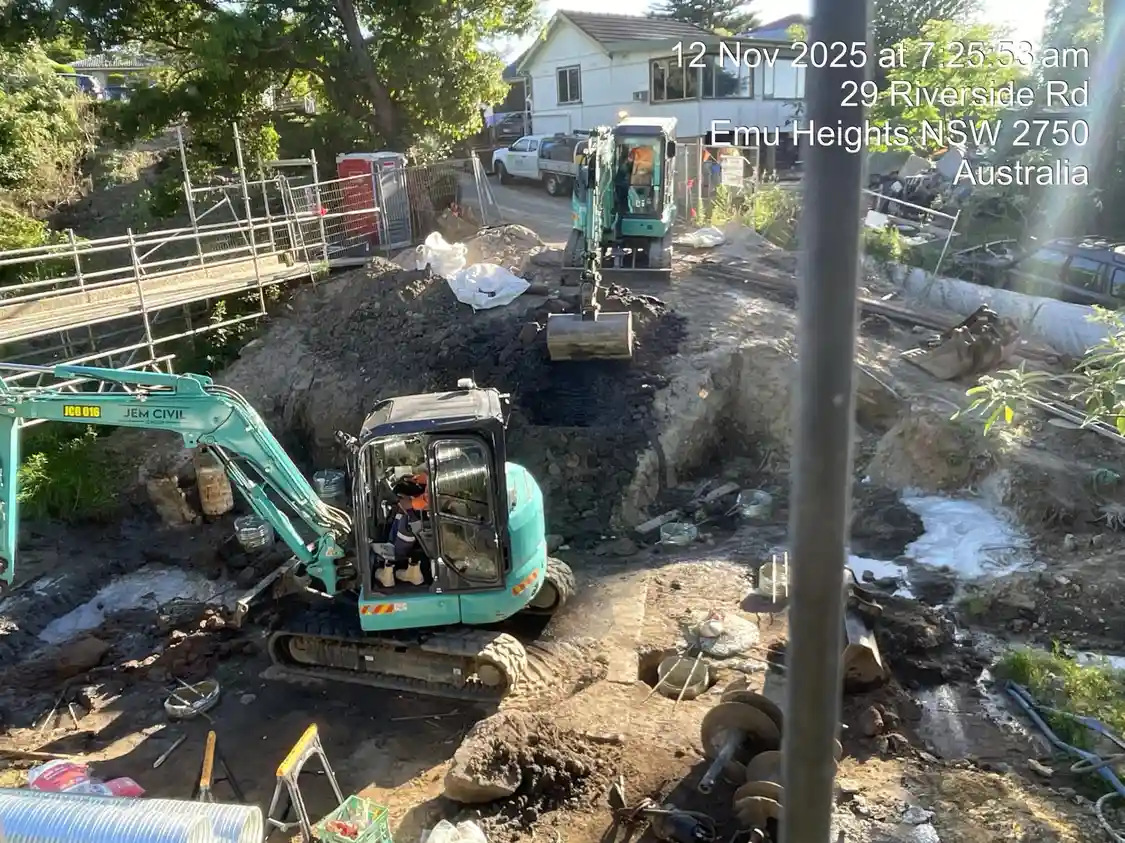
Inclusions depend on the issued documentation, ground conditions, access, environmental controls, material classification, disposal pathway and accepted contract scope.
Staged bulk excavation, cut-to-level activities and formation preparation to the documented levels and construction requirements.
Loading and haulage coordination where included, subject to lawful material classification, approved destinations, access and environmental requirements.
Plant access, workfront sequencing, exclusion zones, temporary controls and coordination around operational or constrained sites.
Construction planning around verified service information, groundwater, variable ground or contamination constraints identified by the appointed parties.
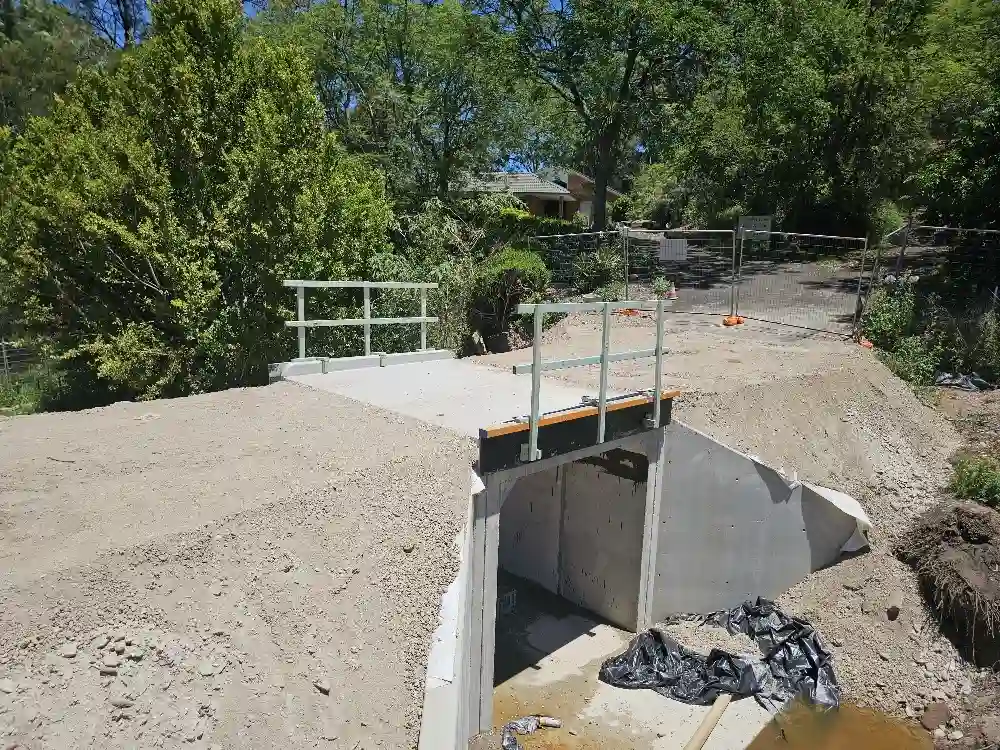
Before comparing prices, establish what each quantity measures: excavation to surveyed levels, material loaded for removal or weight accepted at the receiving facility. Cubic metres, truck loads and tonnes describe different measures. The quotation should state the measurement basis and how quantities will be verified, rather than relying on an unexplained conversion.
Check the allowances for rock, unsuitable material, loading, haulage, facility charges and any temporary stockpiling or rehandling. Classification and receiving-facility acceptance need to match the actual material; visual appearance alone is not a reliable basis for a disposal assumption. The NSW EPA construction and demolition waste guidance explains why the waste pathway and records matter.
Connect that commercial basis with the site sequence. Limited storage, truck access, groundwater controls and the formation inspections required by following trades can affect how excavation progresses. SCE brings these dependencies into the agreed scope so the excavation allowance covers a usable construction stage.
Provide the best available project information so SCE can assess construction fit without treating unresolved design, classification or approval matters as complete.
Return to the parent pathway for bulk and detailed excavation services.
Review the separate service for localised excavations, trenches, foundations and tighter-tolerance work.
Review the wider service group for related concrete, drainage and underground-service packages.
Return to the broad civil-services hub for the current construction pathways.
View genuine project evidence covering excavation, foundations, culvert work and access restoration.
Review selected SCE records for drainage, pavement, retaining, bridge and external civil works.
SCE can review site information, issued drawings, geotechnical and contamination information where available, access and staging, known services, proposed levels, spoil requirements and construction interfaces before confirming scope and project fit.
Bulk excavation generally concerns larger-volume removal, cut, fill or formation work. Detailed excavation concerns localised excavations, trenches, foundations, services or tighter tolerances. The final classification depends on the project documents and required outcome.
These activities may be included where they are documented and accepted. Disposal depends on material classification, lawful facility acceptance, haulage, access and environmental requirements. SCE does not provide a fixed rate without project-specific review.
Useful information includes the site address, survey, drawings, specifications, geotechnical or contamination reports, known services, access and staging constraints, estimated quantities, spoil strategy, programme and available approvals or conditions.
SCE reviews the available service, location and access information. Planning may include verification interfaces, exclusion zones, sequencing, plant selection, traffic controls or temporary access. Designers, utility owners and authorities retain their respective responsibilities.
SCE can coordinate excavation design, surveys, geotechnical inputs and specialist investigations through appropriately qualified appointments within an agreed delivery package. Material classification, regulated declarations and professional responsibilities remain with the appointed specialists; statutory approval decisions and independent certification remain with the relevant responsible parties.
Yes, subject to location, scale, access, programme, documentation, approvals, safety requirements and commercial fit. SCE reviews each enquiry before confirming whether the project is suitable and what information is needed next.
Send the site address, drawings, survey, reports, service information, estimated quantities and proposed programme. SCE will review the enquiry for scope, location, access, approvals, safety, programme and commercial fit before confirming next steps.