Relevant scope experience
Look for completed work with comparable construction interfaces, access conditions, staging pressures and technical demands.

NSW civil contractor selection guide
A practical way to compare contractors by scope fit, relevant delivery evidence, project controls and role clarity before civil construction begins.
Start with project fit
Civil infrastructure packages can combine excavation, drainage, pavements, access works, underground services, concrete construction, reinstatement and coordination with consultants or authorities. A contractor that is suitable for one package is not automatically suitable for every site, delivery model or risk profile.
Selection should begin with the approved or developing scope, the site constraints and the responsibilities that the contractor is expected to carry. Broad statements about experience are less useful than evidence that the proposed team, systems and project approach suit the work being procured.
Look for completed work with comparable construction interfaces, access conditions, staging pressures and technical demands.
Confirm how the contractor plans, supervises, documents and escalates work rather than relying only on a capability statement.
Confirm whether the appointment is construct-only, design-and-construct or an EPC package, and identify the independent certification and authority decisions.
Six checks before appointment
Identify the current drawings, specifications, approvals, inclusions, exclusions, interfaces and expected deliverables. If the documentation is incomplete, record the gaps and the party responsible for resolving them.
Ask for examples that relate to the proposed work. Confirm what the contractor actually delivered, the conditions faced and whether the example is comparable to the present site.
Understand who will manage the works, who will supervise day-to-day delivery and how subcontractors, suppliers, consultants and client representatives will be coordinated.
Review access, temporary works, service interfaces, traffic or neighbour impacts, work sequencing, inspection points and the assumptions behind the proposed duration.
Agree how controlled documents, inspections, test records, variations, non-conformances, as-constructed information and handover records will be managed for the specific package.
Assess scope coverage, qualifications, exclusions, provisional allowances, programme assumptions, risk allocation and proposed controls together. The lowest initial price may not represent the lowest delivery risk.
Keep responsibilities explicit
Civil contractors may deliver construction-only work or take responsibility for design and construction under the agreed contract. SCE offers civil construction and engineering services, including design-and-construct and EPC delivery supported by established multidisciplinary engineering relationships. Define the appointed designers, their deliverables and the design-change process alongside the construction scope.
The applicable designers and professional advisers prepare or verify the information assigned to them. Certifiers, councils, utilities and other authorities exercise their own functions. Where Design and Building Practitioners obligations apply, the project team should confirm the required practitioners, declarations and controlled documents for that specific work.
For an example of how these boundaries affect a particular delivery pathway, read the supporting guide to civil contractor roles in subdivision construction.
Verify evidence, not labels
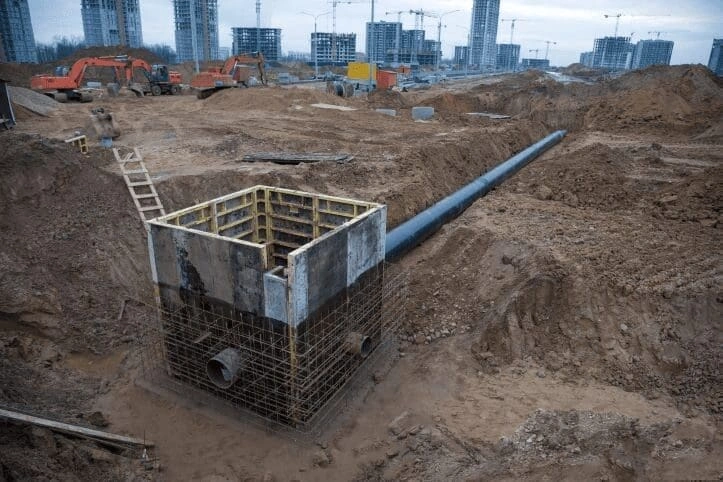
The documented Epping–Thornleigh stormwater civil works project records Frank MANESH’s earlier career experience in excavation, drainage infrastructure and underground-service coordination.
SCE’s own Mount Colah subdivision project involved rock excavation, retaining walls, drainage, sewer relocation, underground services and a suspended driveway. When comparing contractors for a constrained subdivision, ask how their proposed excavation and service sequence protects the access needed for later concrete works. A relevant example should help explain the proposed method, not simply decorate the tender.
Questions for tender review
Use the same practical scenario with each tenderer. For example: the service location differs from the available records and affects the planned retaining-wall excavation. Ask what they would verify, which affected work they would hold, who resolves the design interface, and how they would report the cost and programme implications. The proposed supervisor’s response can reveal more about delivery judgement than another list of completed projects.
Give tenderers the same current information wherever possible: site address, controlled drawings, specifications, approvals, available reports, scope schedule, access constraints, known services, staging needs and programme expectations.
Consistent information makes proposals easier to compare and exposes unresolved assumptions earlier.
Common warning signs
A short price without a traceable scope, exclusions and assumptions can hide material gaps between proposals.
Ask what evidence supports statements about experience, systems, registrations or project outcomes and whether it applies to the proposed work.
Treat claims that combine construction, design, certification and approval into one undefined responsibility as a prompt for clarification.
Check scope fit, comparable project evidence, the proposed team, programme assumptions, exclusions, quality controls, safety planning, document management and responsibility boundaries. Review these items together rather than relying on price or broad capability claims alone.
No. Compare scope coverage, exclusions, provisional allowances, programme assumptions and risk allocation. A lower initial price can carry greater delivery risk if important work, controls or interfaces are not included.
Ask what the contractor delivered, where the project was undertaken, which interfaces were managed and how comparable the conditions are. Photographs and project pages should be treated as evidence only for the work they actually show or document.
A contractor may be appointed for construction only or for design and construction. SCE delivers both, including EPC packages supported by established multidisciplinary engineering relationships. The contract and practitioner appointments define design responsibilities; independent certification and statutory approval remain with the relevant certifiers and authorities.
Early contractor input can help test access, staging, construction sequencing and delivery assumptions. It does not replace the formal design, approval or professional advice required for the project.
Provide the current drawings, specifications, approvals, available reports, scope schedule, site and service information, access constraints, staging requirements and programme expectations. Identify documents that are preliminary or still subject to change.
The required handover package depends on the contract and approval pathway. It may include inspection and test records, product information, as-constructed information, completion records and other documents assigned to the contractor.
Yes. SCE’s Project Suitability Review considers the scope, site information, construction and engineering interfaces, procurement route and delivery constraints. Provide the current documents, location, intended outcome and timing so the team can identify the next decisions and information required.
Bring your drawings, site constraints and delivery priorities to SCE for a Project Suitability Review. Our construction and engineering team can define the package, test buildability and explain the scope, responsibilities and programme assumptions for complex civil works.
Discuss Your Civil Project