
By Sydney Contracting Engineers (SCE Corp) · Information checked 6 October 2026
A cladding replacement warranty is useful only when the owner can identify what it covers, who provides it and which conditions apply. A marketing statement about a long warranty period does not explain whether it covers the panel, coating, installation or the complete façade system.
Build the warranty schedule before procurement, then reconcile it with the actual installation at handover. This makes missing product records, substitutions and maintenance requirements easier to resolve while the project team is still assembled.
Separate the different promises
Product, coating and workmanship warranties may come from different parties and cover different matters. The building contract and applicable statutory rights are also relevant. Do not assume one document replaces the others or that the longest stated period applies to every component.
NSW Government’s building-contract guidance explains statutory warranty provisions for residential work. Obtain advice on the rights, notice requirements and time limits that apply to the particular contract and circumstances; this article does not determine a legal claim.
Create a component-by-component schedule
List the installed panels, coatings, subframe, fixings, membranes, flashings, sealants and other warranted elements. For each, record the warrantor, product identity, covered work, stated period and the document that establishes the start date.
- Does the document identify the correct owner and property?
- Does its description match the products and locations installed?
- Are labour, access and removal costs addressed or excluded?
- Are particular exposure conditions or maintenance duties specified?
- What evidence and process are required if a defect is reported?
Ask for unclear points to be resolved in writing. Do not fill a gap with an assumption based on another project’s warranty.
Reconcile substitutions and retained components
Compare the final product register with the original specification and approved changes. If a coating, sealant or fixing changed during the work, confirm the relevant warranty and compatibility documentation reflects that change.
Mark existing components that were retained. A new cladding warranty should not silently be read as a warranty for an old window, retained support or an area outside the contract. The complete cladding-scope guide helps establish those boundaries before pricing.
Turn maintenance conditions into a usable plan
Read the maintenance instructions alongside the building’s access arrangements. Identify who will arrange inspections, cleaning or coating care, what records must be kept and how inaccessible areas will be reached safely.
A maintenance requirement should have a practical owner and budget. Store records in a form that remains available when a strata committee, building manager or service provider changes. Maintenance records can help explain the building’s history without predetermining whether a warranty claim is valid.
Check the evidence behind the completed work
Keep product and batch information where relevant, delivery records, approved details, installation photographs, inspection results and the record of defects closed out. Link the documents to an elevation or location so the owner can find the evidence for the affected part of the façade.
The Project Remediate pattern book discusses warranty and system considerations within that programme. Its guidance should not be presented as a universal mandatory warranty term for every private cladding contract.
Agree the response process before the team leaves
Record the contact for reporting a suspected defect and the documents that should accompany the report. Keep the initial condition, dates and correspondence. If there is a possible immediate safety issue, arrange appropriate controls and assessment without waiting for the warranty question to be decided.
For an existing façade with a reported defect, SCE’s cladding defect and warranty support brings the construction evidence, available records and rectification options together for review.
For the wider completion pack, use SCE’s remedial closeout records guide. The warranty schedule is one part of that evidence, not the entire acceptance process.
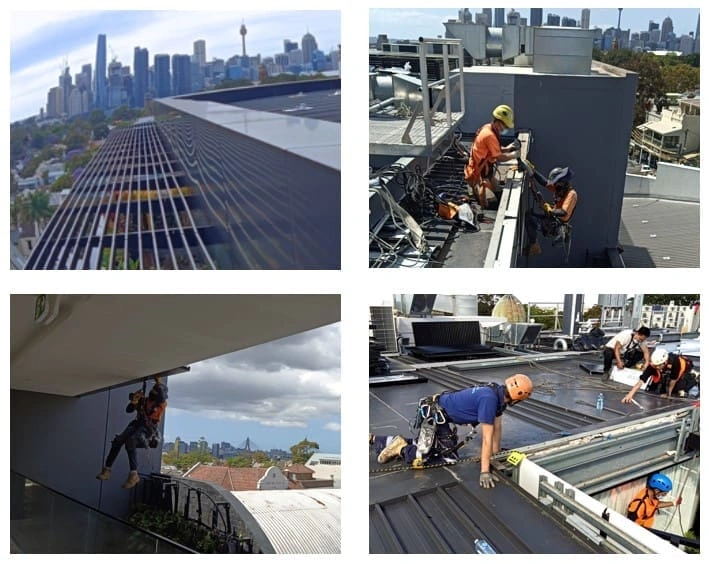
SCE’s cladding portfolio includes Balmain’s replacement work and documented quality checks. SCE delivers engineering, design, procurement and construction within the agreed appointment, with the warranty scope and practitioner responsibilities stated for the actual project.
Request a Project Suitability Review with the proposed scope, product information, contract requirements and available façade records.
Frequently asked questions
Is a product warranty the same as a workmanship warranty?
No. They may cover different elements and be provided by different parties. Review each document and the building contract rather than assuming a single period covers the whole façade.
Does a new cladding warranty cover retained windows?
Only if the relevant documents establish that coverage. Identify retained items and work outside the replacement scope explicitly.
Should the owner retain maintenance records?
Yes. Keep the product instructions and records of inspections, cleaning and repairs. Check the actual warranty conditions and obtain advice where their effect is unclear.
What if a defect could make the façade unsafe?
Arrange prompt competent assessment and necessary controls. Do not defer an immediate safety response while responsibility or warranty coverage is being determined.