
NSW remedial-building guide
What Is Remedial Building Work? Defects, Scope and Roles
Remedial building work addresses an identified defect, damage or deterioration through a defined investigation, design and construction pathway. The correct scope depends on the cause, affected systems, required outcome, building conditions and applicable approvals.
What can remedial building work address?
The term covers different building systems and failure mechanisms. Not every defect is structural, and one project may involve several related causes.
Concrete deterioration
Cracking, spalling, delamination, reinforcement corrosion and local material loss may require investigation, treatment, repair or replacement. The selected response must address the actual deterioration mechanism.
Water and building-envelope defects
Water ingress can involve roofs, façades, joints, membranes, drainage, penetrations or interfaces. Repairing the visible internal damage alone may leave the source unresolved.
Movement and structural damage
Subsidence, displaced supports, damaged beams, columns, walls, slabs, footings or connections may require temporary controls, engineering assessment and a designed repair, strengthening, alteration or replacement scope.
Façade and external elements
Loose, deteriorated or non-performing façade components can require make-safe controls, investigation, replacement, sealing, recladding or associated weatherproofing work.
Workmanship and interface defects
Defects can arise at joints between trades, products and building systems. The scope should identify the interface responsibility and the required sequence instead of treating each symptom in isolation.
Associated reinstatement
Access, demolition, services, finishes and occupied-area controls may form part of the complete project even when they are not the primary defect. They should be allowed for in the scope, programme and verification plan.
A defect description is not a complete scope
Terms such as crack repair, waterproofing, concrete repair or structural repair describe a work category. They do not establish why the defect occurred, how far it extends or what completed performance is required.
A useful brief distinguishes:
- the observed symptom from the confirmed cause;
- temporary risk controls from the permanent remedy;
- repair from strengthening, alteration or replacement;
- the contractor’s construction work from professional design and certification; and
- visual completion from the inspection, testing and records required for acceptance.
For a practical comparison of response options, review options for addressing structural damage.
How is a remedial scope determined?
Confirm risk and preserve evidence
Record the condition, protect occupants and workers where required, preserve relevant drawings and reports, and avoid destructive work that could remove evidence before the investigation plan is agreed.
Investigate cause and extent
Review history and available documents, inspect affected areas and undertake appropriate testing, opening-up, monitoring or specialist investigation where the evidence requires it.
Define the required outcome
State the performance, durability, appearance, serviceability, watertightness, structural or other acceptance requirement. Confirm the applicable design, approval and certification pathway for the actual scope.
Develop and compare options
Assess repair, replacement, strengthening or alteration options against technical suitability, access, temporary works, occupant impacts, programme, whole-of-life risk and commercial fit.
Document construction controls
Set out materials, preparation, interfaces, sequencing, temporary works, inspection and test requirements, hold points, tolerances and completion records.
Verify and close out
Complete the agreed inspections and testing, resolve departures and assemble the required records, certificates, warranties and consultant deliverables before the project is treated as complete.
Repair, remediation, strengthening and replacement
Repair and remediation
Repair is a defined physical intervention. Remediation is the broader project response to an identified defect, damage or deterioration and can include investigation, design, repair, replacement, testing and reinstatement.
Strengthening and structural alteration
Strengthening addresses an accepted structural-performance requirement. Alteration changes an arrangement or load path. Neither should be assumed from cracks or other symptoms without project-specific engineering evidence.
Replacement
Replacement may be more suitable where an element or system cannot be reliably repaired, access and interfaces make repair impractical, or the whole-of-life outcome supports renewal.
Associated work
Temporary works, access, services, protection, demolition and reinstatement can be essential to the accepted outcome. These items should not be omitted merely because they are secondary to the defect.
Engineering, construction and NSW roles
SCE provides coordinated engineering services and construction delivery for complex remedial projects. SCE’s engineers manage scope integration, consultant coordination, construction interfaces, RFIs, hold points and delivery oversight.
Where professional reports, designs, declarations or certification are required, SCE engages appropriately qualified and insured third-party consultants. SCE verifies relevant qualifications, registrations, experience, certificates and insurance, including professional indemnity cover, before engagement.
Each consultant remains responsible for its own professional and regulated deliverables. SCE remains responsible for its contracted coordination and construction obligations. Clients, designers, building practitioners, certifiers and other parties retain the responsibilities allocated to them by the contract and applicable pathway.
NSW Design and Building Practitioners requirements do not apply identically to every building or remedial scope. Applicability must be checked against the building class, work type and actual regulatory pathway. See NSW Government guidance on remedial building work in regulated buildings.
Experience across investigation and permanent repairs
Managing Director Frank MANESH brings experience in building inspections, defect assessment, remedial solutions and structural alterations. Operations Director Farshid MANESH contributes estimating, procurement and construction programming to connect technical findings with the works required.
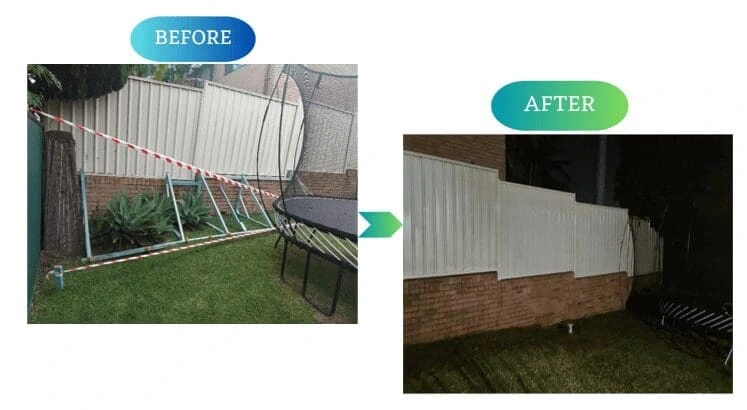
The Seven Hills retaining-wall and Lane Cove school projects shown in this guide provide different examples: staged wall reconstruction at one site, and temporary support, structural repair, sewer replacement and reinstatement at the other. The cause and required outcome determine the scope; the team’s experience helps coordinate its delivery.
What should a remedial quotation make clear?
Separate confirmed work from investigation allowances and quantities that can only be measured after opening up. Compare access, temporary support, service isolation, waste removal, reinstatement and testing alongside the repair itself. Ask who records an exposed defect, who approves a changed design and how additional work is priced before it proceeds.
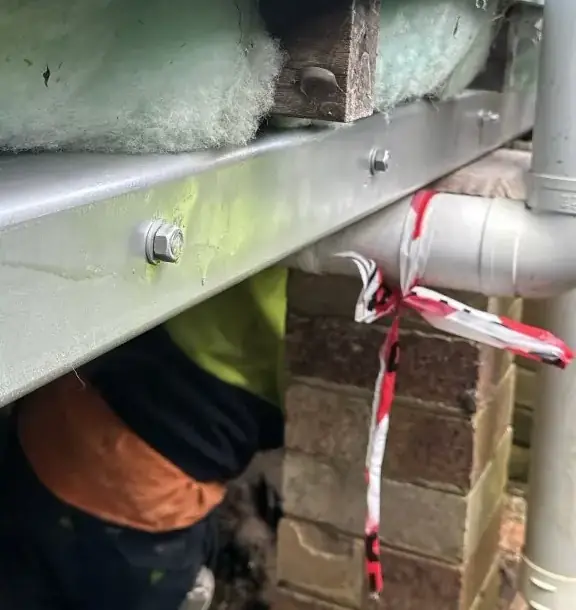
The Lane Cove school project demonstrates why that distinction matters: structural repairs, sewer replacement and reinstatement had to form one coordinated scope. A price covering only the visible building damage would not describe the complete construction task.
Choosing the correct service pathway
Choose the service below that matches the defect, affected building system and repair outcome required.
Building Remedial Services
For building-defect investigation and coordinated repair options, explore Building Remedial Services.
Structural Remedial Services
For structural repair, strengthening, alteration and related structural scopes, review Structural Remedial Services.
Concrete Remedial Services
For concrete cancer, cracking, spalling and related concrete-deterioration scopes, review Concrete Remedial Services.
Frequently Asked Questions
What is remedial building work?
Remedial building work is a project-specific response to an identified defect, damage or deterioration. It can include investigation, design, make-safe measures, repair, replacement, strengthening, waterproofing, façade or concrete work, testing and reinstatement. The required components depend on the actual cause, affected systems and accepted outcome.
How is the scope for remedial building work determined?
The team should first identify immediate risks, preserve relevant evidence and investigate the cause and extent. The required performance, design and approval pathway, construction constraints, interfaces, hold points, testing and completion records can then be defined. A symptom or generic repair label alone is not a complete scope.
Does every building crack require structural repair?
No. Cracks can have different causes and significance. Their location, pattern, width, movement, surrounding condition and the role of the affected element must be considered. Some cracks may require monitoring or local repair, while others may be evidence relevant to a structural, movement, waterproofing or material-deterioration investigation.
Who identifies the defect cause and designs the remedy?
The required professional depends on the defect and project pathway. Suitably qualified engineers, building consultants, façade, waterproofing or other specialists may be required. Where professional reports, designs, declarations or certification are needed, the appointed consultant remains responsible for its professional and regulated deliverables.
Does the NSW Design and Building Practitioners framework apply to every remedial project?
No single answer applies to every project. Applicability depends on matters including building class, work type, whether regulated designs or building work are involved, and the approval pathway. Practitioner, design, declaration and lodgement requirements must be confirmed for the actual scope.
Can remedial work be completed in an occupied building?
Sometimes, but only after the risks and controls are established. Access, falling-object risk, dust, noise, services, fire and egress, temporary works, work zones and occupant communication may require staging, isolation or temporary relocation. Continued occupation must not be assumed before the project controls are accepted.
Does SCE provide engineering and construction for remedial projects?
Yes. SCE provides coordinated engineering services and construction delivery. Where professional reports, designs, declarations or certification are required, SCE engages appropriately qualified and insured third-party consultants, verifies relevant credentials and professional indemnity insurance, and coordinates their deliverables with the construction scope. Each consultant remains responsible for its own professional and regulated work.
Plan your remedial-building project
Provide the observed condition, building details, available reports or drawings, access constraints and required programme. SCE will review the technical scope, investigation needs and construction sequence with you.