
What Cladding Cost Includes and Why It Matters
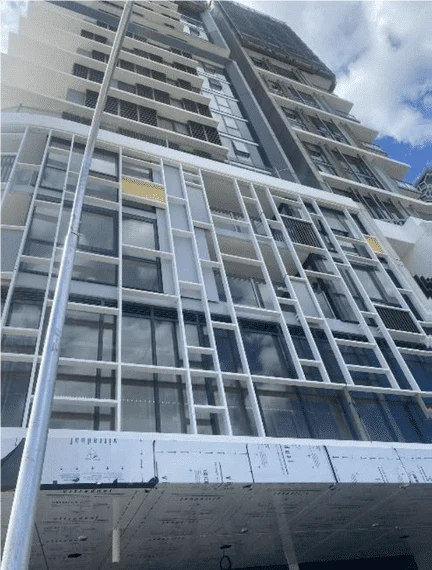
Understanding cladding cost is essential for homeowners planning to upgrade the exterior of their property. While it may seem straightforward, cladding cost includes multiple layers that extend far beyond the visible finish. Knowing what influences cladding cost helps homeowners budget accurately, manage expectations and make confident decisions that support long term durability and comfort.
A major part of cladding cost comes from the sustainable cladding materials and house cladding options selected for the project. Each material offers different levels of strength, insulation, weather protection and aesthetic appeal. Some options create a clean contemporary look, while others provide a warm natural finish. These choices directly influence cladding cost, as each material has its own price point, maintenance needs and lifespan. Understanding this helps home owners choose options that meet both style and budget goals.
Labour also plays a significant role in total cladding cost. Skilled professionals ensure panels fit securely, align correctly and protect the home from weather and moisture. Even the best sustainable cladding materials can underperform when installed poorly, making high quality workmanship an essential part of the full cladding cost.
Preparation contributes further to cladding cost. Before installation, existing surfaces may require repairs, reinforcement or cleaning to create a stable foundation. Proper preparation helps prevent issues like gaps, leaks or uneven surfaces in the future and ensures new house cladding options perform reliably. Other components of cladding cost include fixings, trims, insulation layers and protective coatings. These elements strengthen the structure, improve energy performance and enhance weather resistance. Together, they form a protective barrier that shields the home from heat, rain, noise and longterm ageing. By viewing cladding cost as a complete picture, homeowners can compare materials effectively, avoid hidden expenses and choose solutions that deliver longlasting beauty, comfort and value.
How Different House Cladding Options Transform Your Home
Selecting the right house cladding options is one of the most impactful choices homeowners make when upgrading their property exterior. Cladding does more than create a surface finish it shapes the home’s character, improves protection and influences how comfortable it feels throughout the seasons. Exploring various house cladding options helps home owners find solutions that match their aesthetic preferences and functional needs.
The strength of modern house cladding options lies in their variety. Some provide a sleek, refined look, while others offer warmth and visual depth. There are natural looking materials, highly durable engineered solutions and sustainable cladding materials designed to blend into their surroundings. Each option brings unique benefits and visual qualities.
Performance varies widely between house cladding options. Some deliver excellent insulation to keep the home cooler in summer and warmer in winter. Others excel at moisture resistance or offer enhanced durability. A number of sustainable cladding materials also reduce maintenance needs, making them ideal for long term performance.
The right house cladding options also influence daily comfort. Lightweight systems reduce pressure on older structures, ventilated designs improve airflow and textured finishes soften a tall building’s appearance. These details shape how the home feels and functions.
Long term value is another major consideration. High performing house cladding options and sustainable cladding materials can extend the building’s lifespan, reduce ongoing costs and boost overall property value. Visually appealing options also enhance enjoyment year after year.
By exploring different house cladding options, homeowners can transform their homes in a way that balances design, durability and comfort. These choices go beyond appearance, contributing to a practical and welcoming living environment.

Why Sustainable Cladding Materials Are a Smart Long Term Choice
Sustainable cladding materials are rapidly becoming a preferred choice for homeowners because they offer long term benefits that extend beyond aesthetics. These eco conscious materials reduce environmental impact while improving overall home performance. Choosing sustainable cladding materials reflects a commitment to responsible design and long term wellbeing.
Durability is one of the biggest strengths of sustainable cladding materials. They are built to withstand harsh weather conditions, resist ageing and maintain their appearance for many years. Their ability to handle moisture, UV exposure and temperature shifts reduces future replacement needs and lowers lifetime cladding cost.
Energy performance is another reason sustainable cladding materials stand out. Many options provide strong insulation, helping regulate indoor temperatures. Better insulation means a home stays warmer in winter and cooler in summer, easing the load on heating and cooling systems and improving comfort. These materials also support healthier indoor air quality. Many sustainable cladding materials are produced using lowtoxicity processes, recycled components or natural fibres, reducing exposure to harmful chemicals and supporting environmentally responsible manufacturing. Design flexibility is an additional advantage. Sustainable cladding materials come in a wide range of textures, colours and finishes, allowing homeowners to achieve a natural, timeless look while prioritising environmental values.
By choosing sustainable cladding materials, homeowners protect their home, reduce longterm cladding cost and support a healthier environment. These materials offer durability, performance and beauty, making them a smart investment for any modern home.
Frequently Asked Questions
1. How much does cladding typically cost per square metre?
The cost varies significantly based on the material and installation complexity. On average, cladding can cost around AUD $30 to $150 per m². For example, fibre cement might be nearer the lower end, whereas more premium or architectural cladding can hit the higher range.
For further information, please refer to cladding cost, house cladding options, sustainable cladding materials.
2. What are the main types of cladding materials and how do they differ in cost?
Common materials include:
- Vinyl (uPVC): ~$30-100/m².
- Aluminium / Metal (e.g., Colorbond): From ~$14-$40/m² for basic sheets, though architectural or standing seam options are much more.
- Timber: Measured per linear metre; typically ~$3-$12/m for cladding boards.
- Stone veneer: ~$100-150/m² for common stone types.
- Render: ~$30-50/m² for cement render.
For further information, please refer to cladding cost, house cladding options, sustainable cladding materials.
3. What additional costs should I budget for beyond just the cladding material?
In addition to materials, you may need to factor in:
- Labour / installation costs, which depend on complexity and regional labour rates.
- Waste removal and disposal.
- Scaffolding if working on a multi storey home.
- Permits or compliance work, especially if upgrading or recladding.
- Optional insulation or weather membrane upgrades.
For further information, please refer to cladding cost, house cladding options, sustainable cladding materials.
4. How much does it cost to reclad an entire house?
A full reclad can range widely: estimates suggest AUD $15,000 to $50,000 for many residential homes, depending on size, material and how much prep or removal is needed. More premium cladding or more complex projects may push this higher.
For further information, please refer to cladding cost, house cladding options, sustainable cladding materials.
5. Is aluminium cladding more expensive than fibre cement or timber?
Yes, certain aluminium cladding systems can be more costly, particularly for architectural or high spec finishes. However, some aluminium options like standard Colorbond are relatively competitive, especially when considering long term durability. Also consider installation complexity, as some aluminium systems require more skilled labour, which increases cost.
For further information, please refer to cladding cost, house cladding options, sustainable cladding materials.
6. How do maintenance costs compare for different cladding materials?
- Timber: Looks great but often needs sealing, painting or treatment over time. Maintenance cost can be significant.
- Vinyl / uPVC: Very low maintenance; doesn’t rot or need regular painting.
- Metal / Aluminium: Durable and weather resistant, generally low maintenance but may dent or require specialist repair in rare cases.
- Stone veneer: Very durable and low maintenance, though repair of stone can be more complex.
For further information, please refer to cladding cost, house cladding options, sustainable cladding materials.
7. How do I choose the right cladding material for my house?
Consider the following when choosing:
- Budget: What you can afford now versus long term costs.
- Aesthetic: Timber gives a warm, natural feel; metal/Colorbond is more modern; stone feels premium.
- Climate & Exposure: Coastal homes may benefit from non corrosive metals, bushfire prone areas may require non combustible cladding.
- Maintenance: How much time and money are you willing to commit over the years?
- Regulations & Codes: Local building codes, especially for fire safety, may influence your choices.
For further information, please refer to cladding cost, house cladding options, sustainable cladding materials.
8. Do I need to remove my old cladding before installing new cladding?
Not always, but often yes, especially if the existing cladding is damaged, non compliant or in poor condition. Removal adds cost (demolition, disposal), but it also gives you a chance to inspect the substructure, add insulation or upgrade weather proofing.
For further information, please refer to cladding cost, house cladding options, sustainable cladding materials.
9. Are there more affordable cladding options that still look good?
Yes. Vinyl cladding is one of the more cost effective options. Fibre cement offers good balance: relatively affordable, durable and available in many styles. You might also mix materials, e.g., use a premium cladding on feature walls, with cost effective cladding elsewhere.
For further information, please refer to cladding cost, house cladding options, sustainable cladding materials.
10. How can I get an accurate quote for my house cladding project?
Measure the total area of wall you need to clad (or ask a professional to do it). Decide on the cladding material and finish (this impacts cost heavily). Ask for detailed quotes from at least 2–3 reputable contractors, make sure their quotes break down the cost of materials, labour, scaffolding, waste disposal and any prep work. Request examples / references from previous work so you understand quality. Consider getting a building inspector or architect involved if you’re making big changes or recladding, especially to check structural or code compliance.
For further information, please refer to cladding cost, house cladding options, sustainable cladding materials.
Thank you for your visit and welcome to the construction home