
Understanding WHS Legislation NSW
WHS legislation NSW defines the responsibilities of employers, contractors and workers to maintain safe work environments. Sydney Contracting Engineers (SCE Corp) follows the Work Health and Safety Act 2011 and ISO 45001 Safety Management System to protect employees and clients. Workplace safety Sydney is strengthened through risk assessment, ongoing training and continuous improvement. By aligning all projects with SafeWork NSW compliance, SCE Corp ensures that every workplace meets legislative and ethical obligations.
Duties of Care and Risk Management
Employers have a duty of care under WHS legislation NSW to ensure the health and safety of their employees while at work. This includes providing safe systems, safe equipment and adequate facilities. Identifying hazards, assessing risks and implementing control measures are essential for mitigating workplace dangers. Regular reviews of safety measures ensure ongoing compliance and reinforce workplace safety Sydney.
SafeWork NSW Compliance and Workplace Safety Sydney
SafeWork NSW plays a critical role in enforcing workplace safety and ensuring compliance with WHS legislation in New South Wales. As the regulatory body, SafeWork NSW provides guidance, resources and oversight to ensure employers meet their legal obligations for worker health and safety. The agency also conducts inspections, investigates workplace incidents and offers advice on risk management and safe practices.
At SCE Corp, we take compliance with SafeWork NSW regulations seriously. We implement a proactive approach to workplace safety Sydney by continually aligning our practices with the latest legislative updates and industry standards. Our commitment to ISO 45001 Safety Management System ensures that we meet or exceed SafeWork NSW compliance in all aspects of our operations, from risk assessments to safety audits.
To maintain a safe working environment, we integrate comprehensive safety plans into every project and provide ongoing training to our team. This helps us identify potential hazards before they become risks and enables us to act swiftly to prevent accidents or injuries. By fostering a culture of safety and maintaining open communication channels with SafeWork NSW, SCE Corp ensures that workplace safety is upheld at every level of the organisation.
Key Components of WHS Legislation NSW
WHS legislation in NSW is designed to create safer, healthier workplaces across all industries. The core elements of this legislation are designed to protect workers by outlining clear responsibilities for employers, contractors and workers themselves. Some of the key components include:
Duties of Care
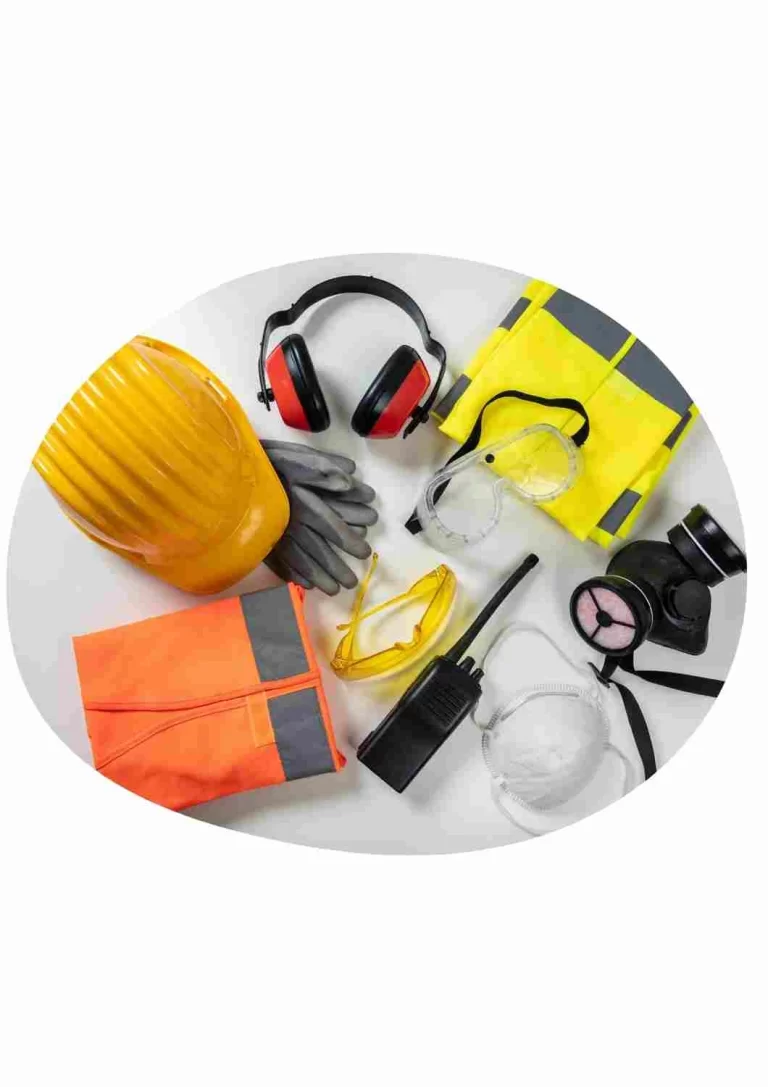
As mentioned, the WHS Act places a primary duty of care on employers to provide a safe working environment. This includes ensuring that the workplace is free from hazards, providing necessary personal protective equipment (PPE) and ensuring that workers are properly trained and informed about the risks associated with their work.
Risk Management
The legislation requires employers to identify potential hazards, assess risks and implement control measures to reduce the likelihood of accidents or health issues. This proactive approach is essential for mitigating workplace dangers and ensuring compliance with SafeWork NSW standards.
Consultation and Participation
The WHS Act mandates that employers consult with their workers on matters affecting their health and safety. This includes involving employees in decision making processes regarding risk assessments, safety protocols and the implementation of safety measures. This collaborative approach helps create a culture of safety and fosters greater accountability among workers and employers alike.
Incident Reporting and Investigation
Under WHS legislation, employers are required to establish systems for reporting workplace incidents and accidents, no matter how minor they may seem. Investigations must be conducted to determine the cause of any incidents and ensure that corrective actions are taken to prevent future occurrences.
Training and Competency
To ensure workers can safely perform their tasks, WHS legislation requires employers to provide ongoing training and competency assessments. This includes both general safety training and specific training related to particular risks or machinery used on site. By investing in training, employers can empower their workers to identify risks and contribute to a safer workplace.
At SCE Corp, we uphold these key components by incorporating them into our daily operations. From conducting detailed risk assessments to fostering open dialogue with our teams, we ensure that every aspect of WHS legislation is followed. This commitment to safety and compliance ensures that our workers are protected and our projects meet all legal and ethical standards for workplace safety.
Frequently Asked Questions
1. What is WHS legislation in NSW?
WHS legislation in NSW refers to laws and regulations that define the responsibilities of employers, contractors and workers to maintain safe work environments. The main piece of legislation is the Work Health and Safety Act 2011, which aims to protect workers by ensuring that workplaces are free from hazards and risks are effectively managed.
For further details, please refer to WHS legislation NSW, SafeWork NSW compliance, workplace safety Sydney.
2. What does the Work Health and Safety Act 2011 require from employers?
Under the WHS Act 2011, employers have a primary duty of care to ensure the health and safety of workers. This includes providing safe systems of work, safe equipment, adequate facilities, personal protective equipment (PPE) and ensuring workers receive proper training on how to work safely.
For further details, please refer to WHS legislation NSW, SafeWork NSW compliance, workplace safety Sydney.
3. What is the role of SafeWork NSW compliance in workplace safety?
SafeWork NSW is the regulatory body responsible for enforcing WHS legislation in NSW. They provide guidance, resources, conduct inspections, investigate incidents and ensure employers comply with the law. They also offer advice on risk management and safe practices to protect workers’ health and safety.
For further details, please refer to WHS legislation NSW, SafeWork NSW compliance, workplace safety Sydney.
4. How does SCE Corp ensure compliance with SafeWork NSW regulations?
SCE Corp ensures compliance by integrating the ISO 45001 Safety Management System into all of our projects. We regularly update our practices to align with SafeWork NSW regulations, conduct risk assessments and implement safety audits. Ongoing staff training and safety protocols also play a crucial role in maintaining compliance.
For further details, please refer to WHS legislation NSW, SafeWork NSW compliance, workplace safety Sydney.
5. What is risk management under WHS legislation?
Risk management involves identifying potential hazards, assessing the risks associated with those hazards and implementing control measures to prevent accidents or health issues. WHS legislation requires employers to proactively manage these risks to ensure a safe working environment.
For further details, please refer to WHS legislation NSW, SafeWork NSW compliance, workplace safety Sydney.
6. Why is training important under WHS legislation?
Training is crucial because it ensures workers are competent in identifying risks and using equipment safely. WHS legislation mandates ongoing training and competency assessments to empower workers to safely perform their tasks and contribute to a safer workplace.
For further details, please refer to WHS legislation NSW, SafeWork NSW compliance, workplace safety Sydney.
7. What are the duties of care for employers under WHS legislation?
Employers must provide a safe working environment by eliminating or controlling hazards, ensuring workers have the proper PPE and offering adequate safety training. They are also required to consult workers on safety matters and ensure they are informed about risks associated with their work.
For further details, please refer to WHS legislation NSW, SafeWork NSW compliance, workplace safety Sydney.
8. How does SCE Corp approach workplace safety on its projects?
At SCE Corp, workplace safety is a core value. We integrate comprehensive safety plans into every project, conduct detailed risk assessments, provide continuous training and ensure compliance with SafeWork NSW regulations. We also foster a culture of safety through open communication and regular safety audits.
For further details, please refer to WHS legislation NSW, SafeWork NSW compliance, workplace safety Sydney.
9. What happens if a workplace incident occurs under WHS legislation?
Under WHS legislation, employers are required to report all workplace incidents, no matter how minor. After an incident, employers must investigate to identify the cause and implement corrective actions to prevent future occurrences. This helps improve workplace safety and ensures compliance with the law.
For further details, please refer to WHS legislation NSW, SafeWork NSW compliance, workplace safety Sydney.
10. What is the significance of consultation and participation in WHS legislation?
WHS legislation emphasizes the importance of consulting workers on matters that affect their health and safety. Employers must involve workers in decision making processes related to risk assessments, safety protocols and the implementation of safety measures. This fosters a collaborative approach to safety and ensures greater accountability.
For further details, please refer to WHS legislation NSW, SafeWork NSW compliance, workplace safety Sydney.
Thank you for your visit and welcome to the construction home