
What to Consider When Building a House
Understanding what to consider when building a house is essential to achieving a safe, durable and well planned home that performs reliably over its full service life. Residential construction is not just about layout and finishes; it requires early engineering input, regulatory compliance and careful coordination of design and construction activities.
Key Factors to consider when building a house
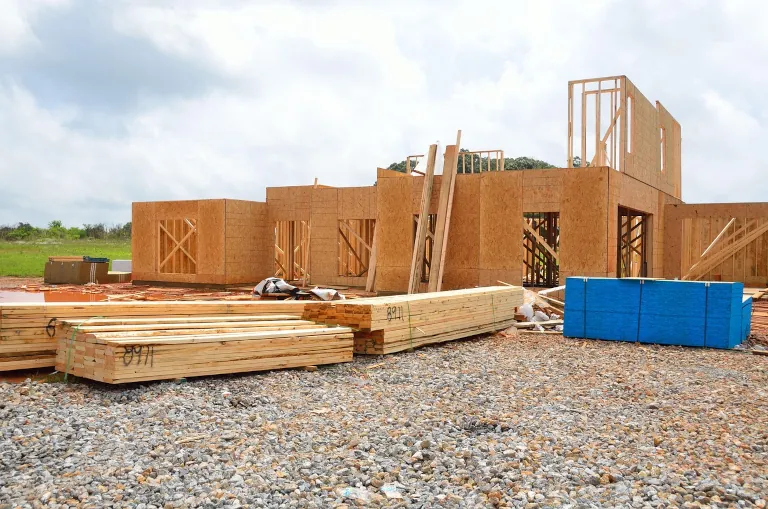
- Site conditions and soil classification, which influence footing design, drainage and structural stability
- Structural design and load paths, ensuring the building can safely support imposed and environmental loads
- Stormwater, plumbing and electrical service placement, coordinated to avoid future defects and access issues
- Council approvals and building compliance, including adherence to the NCC and local planning controls
- Functional layout and buildability, balancing aesthetics, usability and construction efficiency
- Work Health and Safety requirements, protecting workers and future occupants
Early assessment through proper planning and engineering review significantly reduces the risk of cracking, water ingress, and structural movement, leading to smoother construction, lower long term maintenance costs, and better outcomes that protect both safety and property value.
Key Factors to consider in Residential Home Construction
- Soil tests
- Access Points
- Service locations
- Ventilation
- Materials
- NSW rules
- Cost planning
Each factor influences quality durability, compliance and overall building performance. Early review supports efficient construction and fewer delays.
Engineering guidance covering structural assessments, material selection, risk checks, and construction coordination is central to safe, reliable, and compliant residential construction. Through DBP Act aligned processes and skilled planning, Sydney Contracting Engineers delivers long term strength, value, and performance across NSW.
Frequently Asked Questions
1. What are the key considerations when building a house?
Key building house considerations include site conditions, soil tests, structural design, service placement, layout choices and obtaining necessary approvals. These elements influence the safety, durability, functionality and long term value of the home. Careful planning ensures a smoother construction process and fewer complications.
For further information please refer to building house considerations, home construction NSW, residential building planning.
2. Why are soil tests important in home construction?
Soil tests are critical for determining the foundation requirements of your home. The soil type affects the stability and durability of the structure, influencing decisions on foundation design and construction. Soil testing ensures the foundation is strong and can support the weight of the building, preventing future structural issues.
For further information please refer to building house considerations, home construction NSW, residential building planning.
3. What role does residential building planning play in home construction?
Residential building planning is essential to ensure that every aspect of the construction process is well thought out and coordinated. This includes site layout, choosing materials, planning services like plumbing and electricity and ensuring compliance with local regulations. Good planning prevents delays, reduces costs and results in a more efficient construction process.
For further information please refer to building house considerations, home construction NSW, residential building planning.
4. How do service locations affect the construction of a home?
Proper placement of services (such as plumbing, electricity, gas and drainage) is crucial for functionality and efficiency. Incorrect placement can lead to costly rework, inefficient use of space or compliance issues. Residential building planning helps identify optimal locations for services, ensuring a smooth and functional home.
For further information please refer to building house considerations, home construction NSW, residential building planning.
5. What safety requirements should be considered when building a house?
Safety requirements include adhering to local building codes, ensuring structural integrity, using fire resistant materials and implementing proper ventilation. It is important to follow these requirements to protect the health and safety of occupants, meet compliance standards and ensure long term building performance.
For further information please refer to building house considerations, home construction NSW, residential building planning.
6. Why is it important to consider access points during home construction?
Access points, such as doorways, hallways and entrances, are important for both functionality and safety. Proper planning of access points ensures smooth movement within the house and complies with accessibility standards. It also helps to create a more efficient design by optimizing space.
For further information please refer to building house considerations, home construction NSW, residential building planning.
7. How does NSW regulation impact home construction?
Home construction NSW must comply with specific local building codes and regulations, such as structural design standards, zoning laws and environmental requirements. Understanding and adhering to these regulations ensures the construction process is legally compliant, safe and sustainable, avoiding fines or delays.
For further information please refer to building house considerations, home construction NSW, residential building planning.
8. What materials should be considered when building a house in NSW?
Material selection should take into account local climate, energy efficiency, cost and sustainability. In NSW, using weather resistant materials that meet compliance standards is important for long term durability. Working with a construction team familiar with NSW regulations ensures the right materials are selected for your project.
For further information please refer to building house considerations, home construction NSW, residential building planning.
9. How does building house considerations affect long term value?
Proper planning and consideration of factors like structural design, site conditions and material choices can significantly enhance the long term value of a home. A well constructed house that is durable, functional and compliant with building codes will require less maintenance and retain its value over time.
For further information please refer to building house considerations, home construction NSW, residential building planning.
10. How can SCECorp support home construction in NSW?
SCE Corp provides expert support throughout the home construction process, from site assessment and structural reviews to material selection and construction coordination. Our engineering guidance ensures compliance with NSW regulations, while our residential building planning services help homeowners make informed decisions and achieve strong, durable outcomes.
For further information please refer to building house considerations, home construction NSW, residential building planning.
Thank you for your visit and welcome to the construction home.