
Workplace Safety
Workplace safety is essential for protecting workers reducing hazards and creating safe productive environments. Strong and safe workplace practices help prevent injuries support compliance and maintain smooth operations. By applying reliable procedures training and supervision organisations can ensure every worker returns home safely each day.
Key Safety Practices in the Workplace
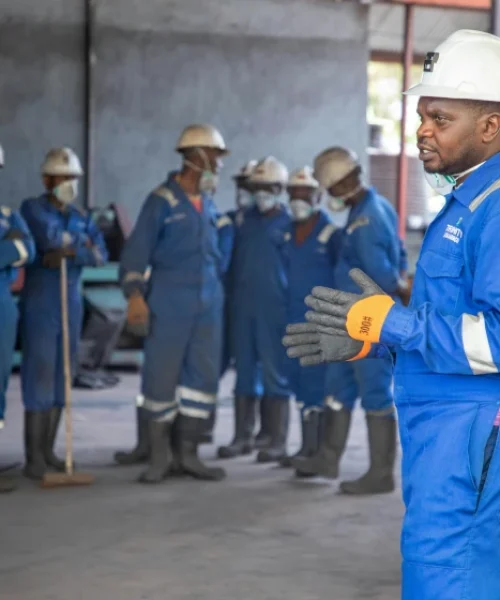
Effective workplace safety is built on proactive risk management, clear responsibilities and consistent compliance with NSW Work Health and Safety (WHS) legislation. In construction and engineering environments, strong safety practices protect workers, contractors and the public while reducing incidents, delays and regulatory breaches.
Key safety practices in the workplace include:
- Hazard identification and risk assessment, identifying potential risks before work begins
- Worker training and competency verification, ensuring all personnel understand safe work procedures
- Clear communication and supervision, including toolbox talks and site specific instructions
- Safe use and maintenance of equipment and plant, preventing mechanical and operational failures
- Regular site inspections and safety audits, identifying non conformances early
- Safety planning and documentation, aligned with the Work Health and Safety Act 2011 (NSW) and SafeWork NSW guidelines
When these practices are consistently applied organisations build a strong safety culture that reduces accidents, improves compliance and supports reliable project delivery. Proactive safety management not only meets legal obligations but also contributes to safer workplaces and more resilient operations across NSW.
How Workplace Safety Improves Performance
Prioritising workplace safety is a key driver of strong operational performance across construction, engineering and commercial environments. Effective safety management reduces downtime caused by incidents, improves team confidence and enhances overall productivity by ensuring work can proceed without unnecessary disruption. When workers feel safe and supported, they are more focused, make fewer errors and are more likely to follow established procedures.
Strong workplace safety performance is supported by:
- Clear safety procedures and training, ensuring workers understand risks and controls
- Consistent supervision and communication, reducing unsafe behaviour and misunderstandings
- Regular inspections and hazard management, preventing incidents before they occur
- Well maintained equipment and safe systems of work, protecting people and property
Consistent safety processes protect workers, assets and the surrounding environment while supporting long term operational stability. By reducing incident related delays, insurance claims and rework, effective workplace safety directly contributes to business reliability, project efficiency and sustainable long term success.

Frequently Asked Questions
1. What is workplace safety and why is it important?
Workplace safety involves creating an environment that protects workers from potential hazards, reduces injuries and promotes productivity. By implementing strong safety protocols and ensuring safety compliance organizations can safeguard the well being of their employees, minimize risk and enhance operational efficiency.
For further information please refer to workplace safety, safety compliance, safe work practices.
2. What are safe work practices and how do they contribute to workplace safety?
Safe work practices are procedures and guidelines designed to prevent accidents and injuries in the workplace. These practices include using proper equipment, following correct processes and ensuring workers are trained to handle risks. By establishing and enforcing safe work practices, businesses can ensure a safer, more productive environment for their employees.
For further information please refer to workplace safety, safety compliance, safe work practices.
3. How do workplace safety practices improve employee performance?
Prioritizing safety helps reduce accidents, which in turn minimizes downtime. When employees feel safe, they’re more confident in their work, leading to better focus, fewer mistakes and improved overall productivity. A safe work environment boosts morale, ensuring employees can work efficiently and effectively.
For further information please refer to workplace safety, safety compliance, safe work practices.
4. What steps should be taken to ensure safety compliance in the workplace?
To ensure safety compliance, organizations must conduct regular risk assessments, provide ongoing safety training and implement safety protocols that meet local regulations. Regular inspections and clear communication about safety procedures also play a key role in maintaining compliance and ensuring that workers understand their responsibilities.
For further information please refer to workplace safety, safety compliance, safe work practices.
5. Why is safety training essential for workplace safety?
Safety training is essential because it equips workers with the knowledge and skills to identify hazards, handle risks and follow safe work practices. By offering training, businesses can ensure employees are prepared to react appropriately to emergencies and are well informed about the procedures necessary to maintain a safe work environment.
For further information please refer to workplace safety, safety compliance, safe work practices.
6. How do regular inspections contribute to workplace safety?
Regular inspections help identify potential hazards or areas of risk before they lead to accidents or injuries. These inspections ensure that equipment is functioning properly, safety protocols are being followed and that the workplace environment remains compliant with safety standards. Early detection of issues helps prevent costly and dangerous accidents.
For further information please refer to workplace safety, safety compliance, safe work practices.
7. What are the benefits of a strong workplace safety culture?
A strong safety culture encourages employees to prioritize safety, report hazards and follow safe work practices. It fosters an environment of shared responsibility, where everyone is committed to maintaining safety standards. This culture not only protects workers but also improves morale, reduces absenteeism and enhances productivity.
For further information please refer to workplace safety, safety compliance, safe work practices.
8. How does workplace safety impact a business’s bottom line?
Workplace safety has a direct impact on a company’s financial health. By reducing accidents and injuries, businesses avoid medical costs, legal fees and downtime. Additionally, a safe work environment boosts employee retention and performance, leading to better overall efficiency and long term success.
For further information please refer to workplace safety, safety compliance, safe work practices.
9. What are the key components of an effective workplace safety plan?
An effective workplace safety plan includes risk identification, safety procedures, training programs and emergency response protocols. It should also involve regular inspections, clear communication with workers and an emphasis on maintaining safe equipment and work environments. Regular updates and reviews of the plan are essential for ongoing safety compliance.
For further information please refer to workplace safety, safety compliance, safe work practices.
10. How can organizations promote a safer work environment for their employees?
Organizations can promote a safer work environment by implementing clear safety policies, encouraging open communication about safety concerns and providing ongoing safety training. Engaging employees in safety practices, regularly updating equipment and conducting frequent safety drills are also effective ways to ensure a safe workplace.
For further information please refer to workplace safety, safety compliance, safe work practices.
Thank you for your visit and welcome to the construction home.