
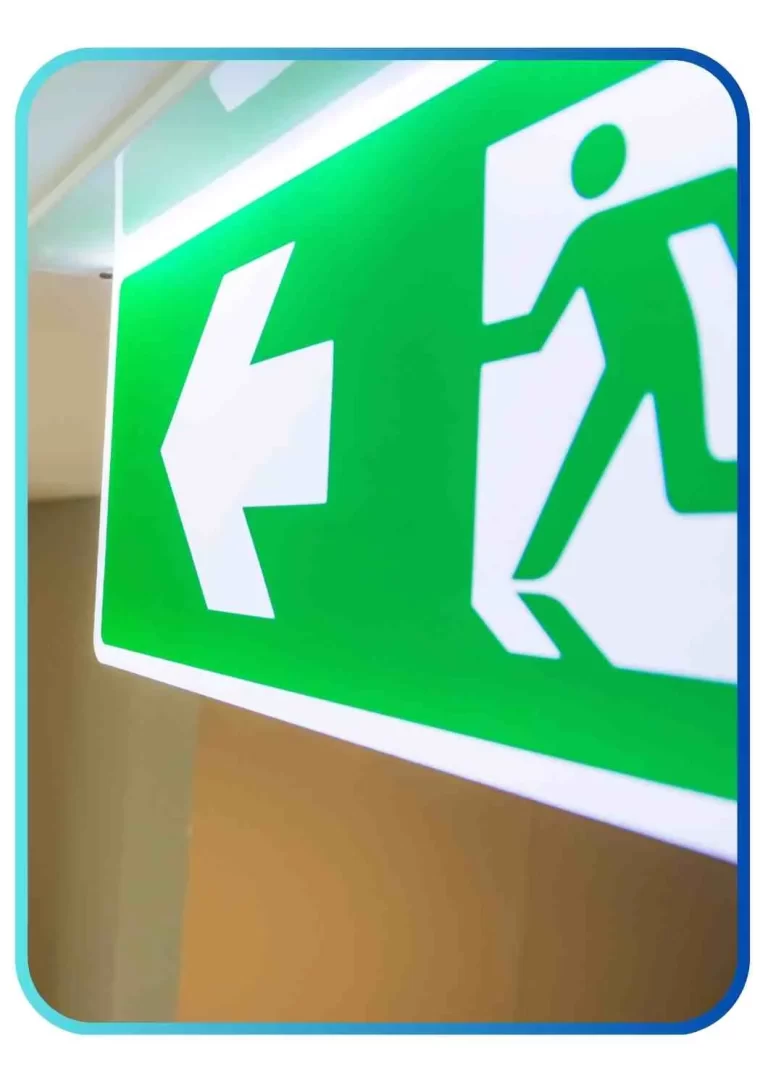
A fire safety plan should prioritise a structured approach to evacuation in line with WHS regulations. Following a controlled sequence reduces confusion and ensures that everyone can move to safety efficiently.
- Evacuate the Most Vulnerable First
Individuals who are most vulnerable, such as those with disabilities, elderly residents or children, must be evacuated first. The fire safety plan should assign trained personnel to assist them, ensuring no one is left behind. - Evacuate Patients in Healthcare Facilities
In hospitals and care facilities, WHS regulations require that patients in immediate danger be moved first. The fire safety plan should consider patient mobility and proximity to hazards to ensure safe and efficient evacuation. - Evacuate by Proximity to Danger
After assisting vulnerable individuals, those closest to the source of danger, such as fire or chemical hazards, should evacuate next. A compliant fire safety plan ensures this process is coordinated smoothly. - Evacuate the General Population
Finally, remaining occupants should leave in an orderly manner following designated routes outlined in the emergency evacuation NSW plan.
Building a Compliant Fire Safety Plan
Every emergency evacuation NSW strategy must comply with WHS regulations and AS 3745 standards. A comprehensive fire safety plan includes:
- Clearly marked evacuation routes and assembly points
- Trained fire wardens responsible for coordination
- Scheduled evacuation drills and safety briefings
- Regular updates based on site changes or risk assessments
By combining compliance, training and clear communication, SCE Corp ensures that your emergency evacuation NSW plan enhances safety and preparedness across commercial and construction environments.
