
Land Subdivision in NSW: How Subdivision Works and What to Expect When Subdividing Land
Land subdivision is the essential process of dividing an existing land parcel into smaller, developable lots. Whether for residential estates, commercial development or investment growth, subdivision requires strict engineering, civil works, legal approvals and compliance with council and NSW planning regulations. Understanding how land subdivision works helps landowners avoid delays, costly redesigns and compliance issues.
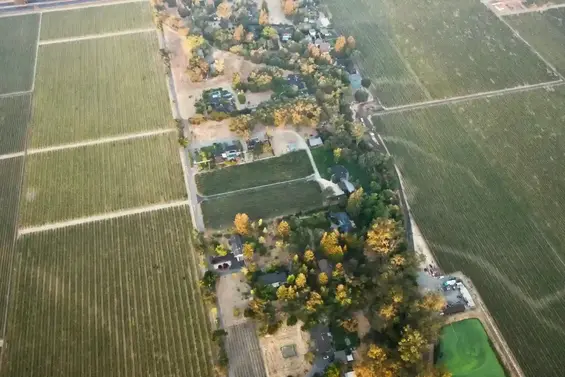
What Land Subdivision Really Involves & Why Proper Subdivision Planning Matters
Land subdivision is far more complex than simply drawing new lot boundaries on a plan. A compliant subdivision requires detailed surveying and carefully engineered lot layouts that consider access, gradients, servicing and future development potential. Civil engineering plays a central role through stormwater management and drainage design, sewer and utility coordination, roadworks and access planning and the design of retaining walls and earthworks to manage site levels safely and efficiently.
Subdivision projects must also address environmental impact assessments, local council approvals and the issue of subdivision certificates before new lots can be legally created. Civil construction works are then required to deliver roads, drainage and essential services in accordance with approved designs and authority standards. Improper land subdivision, poor engineering coordination or cost driven shortcuts can result in drainage failures, non compliant lot layouts, rejected development applications, unsafe infrastructure and significant delays. Well planned subdivision is therefore essential to achieving compliant approvals, controlling costs and delivering durable infrastructure that performs effectively over the long term.
Engineering & Civil Works Required for Compliant Subdivision Development
SCECorp provides complete engineering and civil services for major and minor subdivisions, including:
- Stormwater & drainage design
- Bulk earthworks
- Road and kerb construction
- Sewer & water service installation
Retaining structures - Concrete works
- Environmental and erosion controls
We coordinate surveyors, councils, certifiers and utility providers to ensure a seamless, compliant process from concept to construction.
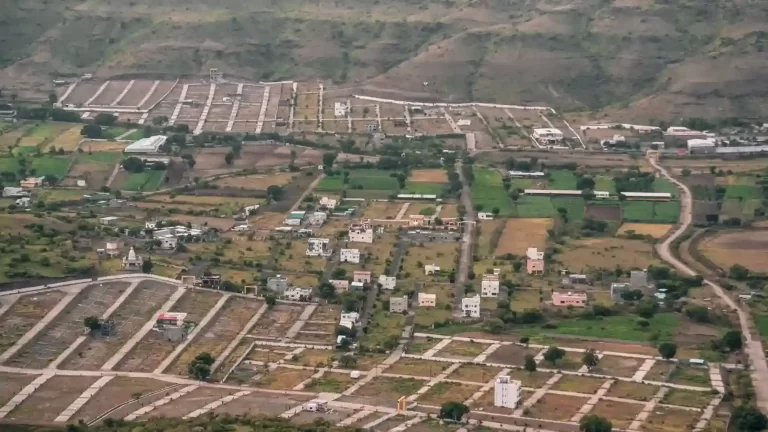
SCECorp NSW’s Trusted Subdivision & Land Development Specialists
Backed by ISO 9001, ISO 14001 and ISO 45001 certified management systems, together with DBP Act NSW accreditation, SCECorp delivers fully engineered land subdivision and development solutions across NSW. Our approach integrates civil engineering design, planning approvals and construction delivery to support residential, commercial and industrial subdivision projects of varying scale and complexity.
Our subdivision expertise includes greenfield developments, dual occupancy subdivisions, multi lot estates, Torrens title and strata subdivisions, as well as redevelopment and infill subdivision planning. Each project is supported by detailed surveying, stormwater and drainage design, road and access planning, earthworks and retaining structures and coordination of all servicing authorities. Through engineering precision and proven civil construction capability, SCECorp ensures every land subdivision is safe, compliant with council and NSW planning controls and ready for long term development and asset performance.
For further information, please refer to land subdivision, subdivision service, subdividing land.
Frequently Asked Questions
1. What is land subdivision?
Land subdivision is the process of dividing a large parcel of land into smaller, individual lots that can be sold or developed separately. It involves both legal and physical changes to the land to meet local zoning, planning, and infrastructure requirements.
For further information, please refer to land subdivision, subdivision service, subdividing land.
2. Why should I consider subdividing my land?
Subdividing your land can increase its value, create more manageable property units, or enable the development of new homes or commercial properties. It can also provide a source of income through the sale of individual lots.
For further information, please refer to land subdivision, subdivision service, subdividing land.
3. How do I start the subdivision process?
The subdivision process typically begins with consulting a surveyor and a planning consultant to assess the land’s potential. You will need to apply for approval from local councils or relevant authorities, followed by obtaining permits and ensuring the land meets zoning and infrastructure requirements.
For further information, please refer to land subdivision, subdivision service, subdividing land.
4. Do I need council approval for subdivision?
Yes, council approval is required for most land subdivisions. The process involves submitting a detailed application with the necessary documentation, including land surveys, environmental assessments, and infrastructure plans.
For further information, please refer to land subdivision, subdivision service, subdividing land.
5. What are the costs involved in land subdivision?
Costs can vary depending on the complexity of the project. Key expenses include council application fees, land surveys, infrastructure upgrades (like roads or utilities), legal fees, and possibly costs for consultants or specialists. It’s important to budget carefully for both the approval process and construction.
For further information, please refer to land subdivision, subdivision service, subdividing land.
6. How long does the subdivision process take?
The timeline for subdivision can range from several months to over a year, depending on factors like the size of the land, the complexity of the development, council approval time, and any infrastructure requirements. A typical subdivision process might take anywhere from 6 to 12 months.
For further information, please refer to land subdivision, subdivision service, subdividing land.
7. What are the zoning requirements for subdivision?
Zoning requirements determine how land can be used or subdivided and vary by location. They govern factors such as minimum lot size, land use, density, and infrastructure requirements. It’s important to consult with local authorities or a planning consultant to understand your land’s zoning restrictions.
For further information, please refer to land subdivision, subdivision service, subdividing land.
8. What infrastructure needs to be in place for subdivision?
Essential infrastructure for subdivision includes access roads, stormwater management, water and sewage systems, electricity, and telecommunications. The exact requirements depend on the location and scope of the subdivision and must meet local council standards.
For further information, please refer to land subdivision, subdivision service, subdividing land.
9. Can I subdivide my land if it’s on a slope or uneven ground?
Yes, land with a slope or uneven terrain can be subdivided, but it may require additional engineering and design considerations. This might include grading, drainage planning, and retaining walls to ensure the safety and stability of the subdivision.
For further information, please refer to land subdivision, subdivision service, subdividing land.
10. What happens after subdivision approval?
After obtaining subdivision approval, you can begin implementing the necessary infrastructure and preparing the land for sale or development. This includes land clearing, road construction, utility connections, and final surveying to create individual titles for each subdivided lot.
For further information, please refer to land subdivision, subdivision service, subdividing land.