
Structural Remediation, Concrete Remediation & Remedial Building Work for Safer Buildings
Structural remediation is essential for buildings experiencing cracking, differential movement, corrosion or loadrelated distress that can compromise stability and safety.
Remedial building work focuses on identifying and rectifying the underlying causes of deterioration, while concrete remediation addresses materialspecific defects such as spalling, delamination and reinforcement corrosion.
When properly engineered, these remediation services restore structural capacity, durability and compliance in ageing or defective buildings
Why Structural Remediation and Concrete Remediation Are Critical
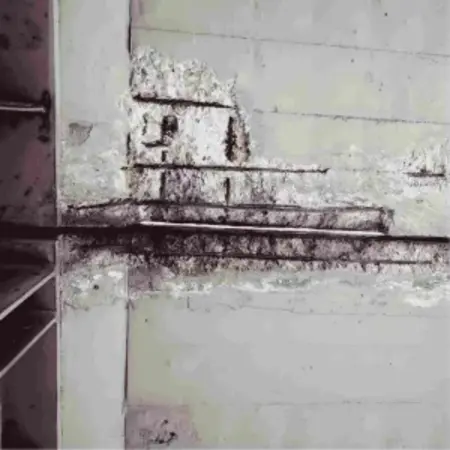
Buildings across NSW commonly require structural and concrete remediation due to issues such as:
- concrete cancer,
- spalling,
- rusted reinforcement,
- slab and beam cracking,
- persistent water ingress,
- differential settlement
- corrosion of balconies or façade elements.
Effective remediation begins with detailed condition assessments, defect investigations and engineered repair design in accordance with Australian Standards and NCC requirements.
Superficial or cosmetic repairs may temporarily conceal visible damage but fail to address the root causes, leading to accelerated deterioration, increased safety risks and significantly higher longterm repair costs.
Professionally designed remediation works are therefore critical to protecting occupants, extending asset life and maintaining regulatory compliance.
SCECorp Building Process
SCECorp’s remedial building process can be outlined as followed:
- Engineering inspections and reporting
- Root cause analysis
- Repair method design and documentation
- Structural strengthening and bracing
- Concrete repair (patching, crack injection, coatings)
- Waterproofing and façade restoration
- Compliance with DBP and NCC requirements
SCECorp | NSW Experts in Structural & Concrete Remediation
With ISO 9001, ISO 14001 and ISO 45001 certified management systems, along with DBP Act NSW accreditation, SCECorp delivers remedial building works that restore the structural performance and safety of deteriorated or defective buildings. Our remediation services are designed to reinstate structural capacity, improve safety for occupants and the public, achieve compliance with legislative and regulatory standards and protect longterm asset value.
SCECorp undertakes detailed condition assessments, defect investigations and engineered repair designs to address issues such as concrete spalling, reinforcement corrosion, cracking, movement and water ingress. We work across highrise residential buildings, commercial and industrial facilities, strata properties and government assets, ensuring remediation solutions are durable, compliant and fit for longterm service. Through disciplined engineering oversight and certified construction processes, we ensure every structure remains strong, safe and serviceable for many years.
For further information, please refer to structural remediation, remedial building work, concrete remediation.
Frequently Asked Questions
1. What is structural remediation?
Structural remediation is the process of repairing and reinforcing a building’s structure to prevent or fix damage caused by factors such as corrosion, weathering, soil movement or poor initial construction. It involves a variety of techniques designed to restore the building’s integrity and ensure its long term safety and stability.
For further information, please refer to structural remediation, remedial building work, concrete remediation.
2. Why is structural remediation important?
Structural remediation is crucial for preserving the safety and longevity of a building. Over time, buildings may suffer from issues like foundation settling, rusting steel or concrete deterioration. Remediation addresses these problems, preventing further damage and reducing the risk of structural failure.
For further information, please refer to structural remediation, remedial building work, concrete remediation.
3. When should I consider structural remediation for my building?
You should consider if you notice signs of damage, such as cracks in walls or ceilings, sagging floors, foundation settling or visible rust on steel beams. Early intervention can prevent more severe issues down the line and avoid expensive repairs in the future.
For further information, please refer to structural remediation, remedial building work, concrete remediation.
4. What causes the need for structural remediation?
Common causes of structural damage include environmental factors such as water intrusion, soil shifting and seismic activity. Poor construction practices, aging materials and wear and tear over time can also contribute to structural degradation. External forces like heavy storms, floods or even nearby construction activities can also damage a building’s foundation or structural components.
For further information, please refer to structural remediation, remedial building work, concrete remediation.
5. What are the main techniques used in structural remediation?
The techniques used depend on the type of damage and the building’s needs. Common methods include:
Foundation underpinning to stabilize and strengthen the base of the building.
Steel reinforcement for strengthening weakened steel elements.
Concrete injection to fill cracks and repair damaged structures.
Corrosion treatment to address rust and prevent future deterioration.
Soil stabilization to prevent shifts that can damage foundations.
For further information, please refer to structural remediation, remedial building work, concrete remediation.
6. How do I know if my building needs structural remediation?
A professional structural engineer or remediation specialist can assess your building for signs of damage. If you notice visible cracks, uneven floors, doors or windows that don’t close properly or other signs of shifting or settling, it’s time to have an expert evaluate your property.
For further information, please refer to structural remediation, remedial building work, concrete remediation.
7. Can structural remediation prevent future damage?
Yes, one of the primary goals is to prevent future damage. By addressing existing issues and reinforcing vulnerable areas, remediation helps protect the building from further deterioration due to environmental factors or structural weaknesses.
For further information, please refer to structural remediation, remedial building work, concrete remediation.
8. Is structural remediation expensive?
The cost varies depending on the extent of the damage and the complexity of the repairs. While it can be an investment, it is often more affordable than the cost of completely replacing a damaged structure. Early remediation can save money in the long run by preventing further deterioration and costly repairs.
For further information, please refer to structural remediation, remedial building work, concrete remediation.
9. How long does structural remediation take?
The time required depends on the size of the building, the extent of the damage and the techniques needed to repair it. Simple repairs might take a few days, while more extensive projects could take weeks or months. A detailed assessment from a structural engineer can help estimate the timeline for your specific project.
For further information, please refer to structural remediation, remedial building work, concrete remediation.
10. Can structural remediation be done on older buildings?
Yes, structural remediation is particularly important for older buildings that may have suffered from wear and tear over time. Remediation can reinforce outdated materials, repair damage caused by aging infrastructure and bring the building up to current safety standards. This helps extend the lifespan of historic buildings and preserves their value.
For further information, please refer to structural remediation, remedial building work, concrete remediation.