
Cladding Materials in Sydney NSW
Sydney Contracting Engineers (SCE Corp) provides specialist cladding materials Sydney NSW advice, cladding replacement Sydney NSW solutions and comprehensive recladding services Sydney NSW for residential, commercial and strata properties. The choice of cladding materials Sydney NSW directly affects weather protection, durability, façade appearance and long-term maintenance costs. For buildings across Sydney NSW, selecting compliant cladding materials Sydney NSW is essential for safety, buildability and ongoing performance.
Our team delivers reliable cladding services Sydney NSW focused on the assessment, selection and installation of quality cladding materials Sydney NSW. We support property owners, strata managers and commercial operators with cladding replacement Sydney NSW and full recladding services Sydney NSW, ensuring façade systems remain compliant and high performing.
We inspect existing façades, identify deterioration, defects and non-compliant systems, and recommend suitable cladding materials Sydney NSW matched to building type and site exposure. If your façade requires upgrade, SCE Corp manages cladding replacement Sydney NSW and large-scale recladding Sydney NSW projects from planning through installation. Our recladding services Sydney NSW prioritise safety, compliance, tidy work zones and consistent external finish quality.
.
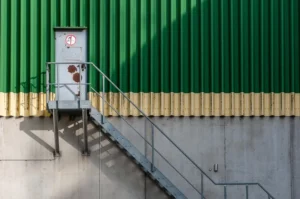
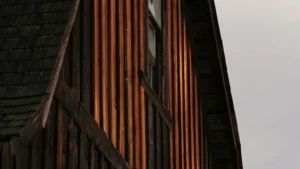
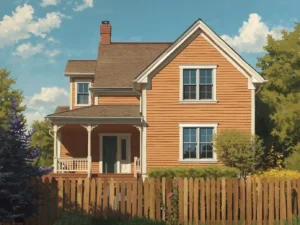
How SCE Corp Delivers Cladding Services in Sydney NSW
SCE Corp delivers reliable cladding services Sydney NSW by combining thorough site assessment, clear material selection guidance and quality installation. We assess substrate condition, moisture pathways, fixings, flashings and junction details to ensure that cladding materials Sydney NSW perform as intended over the long term. For larger recladding Sydney NSW projects, we define project scope, coordinate compliant design solutions and prioritise safe access, tidy work zones and consistent façade finish quality.
Our cladding materials and recladding services include:
- Condition assessment and cladding materials Sydney NSW suitability guidance
- Repair planning and cladding replacement Sydney NSW strategies
- Detailing for junctions, flashings and water management
- Quality checks for fixings, sealing and finish consistency
- Support for strata managers, owners and commercial operators
Material Selection Factors That Matter
When selecting cladding materials Sydney NSW, consider:
- Exposure to wind driven rain and coastal air
- Impact resistance and durability requirements
- Maintenance cycle and repainting needs
- Weight, substrate compatibility and fixing method
- Appearance goals and long term property value
Frequently Asked Questions
1. Why does cladding material choice matter?
Material choice affects durability, weather protection, maintenance needs, and how well the façade performs over time. It also affects buildability and interface detailing.
2. What factors decide the right cladding material for a building?
Exposure, substrate condition, building type, fire performance requirements, water management design, and long term maintenance expectations drive the choice.
3. What causes most cladding failures?
Many failures come from junctions, flashings, sealant joints, penetrations, and poor water management. Material alone rarely fixes a detailing problem.
4. Does new cladding always solve water ingress?
Only when the scope fixes the real pathways. Good outcomes come from correct interfaces and verified installation quality.
5. What is the difference between cladding materials and cladding systems?
A material is one component. A system includes the full build up such as fixings, cavity management, membranes, joints, and interfaces.
6. When should a building consider recladding instead of repair?
Recladding is often considered when defects are widespread, evidence is missing, or the existing system cannot reliably meet required performance expectations.
7. Do different cladding options change maintenance needs?
Yes. Some finishes need more frequent cleaning or resealing depending on exposure and design details.
8. How are cladding options compared for strata buildings?
Options are compared by access requirements, disruption, durability, lifecycle cost, and the ability to stage works safely.
9. What information helps recommend suitable cladding materials?
Photos of the current façade, known defect history, exposure conditions, and any drawings or product information if available.
10. Can material selection be aligned with compliant documentation?
Yes. Selecting products with clear evidence and recording installation checks makes close out documentation cleaner and easier.
Thank you for your visit and welcome to the construction home.