
Most Popular Cladding Choices | Architectural Design
Popular cladding choices play an important role in modern architectural design, improving both the appearance and protection of buildings. In NSW, commonly used systems include aluminium composite panels, fibre cement and terracotta façades. SCE Corp recommends best cladding solutions that use non-combustible materials compliant with AS 5113, ensuring durability, fire resistance and long-term structural performance.
Cladding acts as an external protective layer that shields buildings from weather exposure while enhancing insulation and visual appeal. The right cladding material can significantly influence the style, maintenance requirements and longevity of a structure.

Understanding House Cladding | The 6 Types of Cladding
Cladding is the application of one material over another to create an exterior protective skin for a building. This outer layer serves several purposes:
- Weather Protection – Shields structural walls from rain, wind and temperature changes.
- Thermal Insulation – Improves energy efficiency and interior comfort.
- Architectural Design – Enhances the building’s visual appearance.
- Structural Protection – Helps extend the lifespan of the building envelope.
In Australia, selecting the best cladding often depends on climate, architectural style and long-term maintenance considerations.
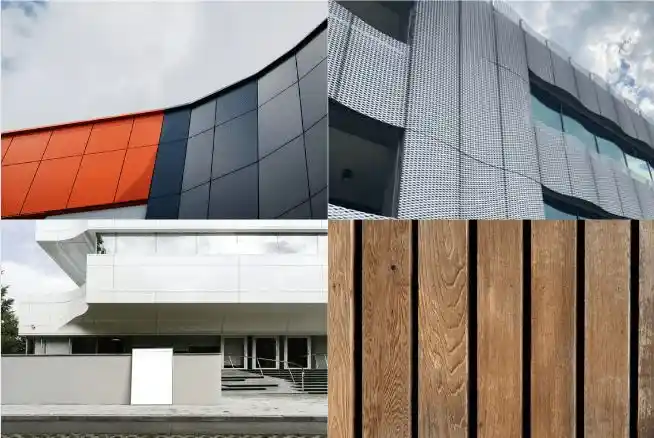
Weatherboard Cladding: A traditional option commonly used in Australian homes.
- Made from timber boards installed horizontally or vertically
- Offers a natural and classic appearance
- Requires regular maintenance to prevent rot and insect damage
Brick Cladding: A durable and timeless cladding material.
- Uses brick veneers attached to structural walls
- Provides strong thermal performance
- Offers a classic architectural look but can be more expensive
Vinyl Cladding: A cost-effective and low-maintenance option.
- Made from PVC materials
- Resistant to corrosion, rot and pests
- Available in a wide range of colours and finishes
Metal Cladding: A modern choice used in contemporary architectural design.
- Common materials include aluminium, steel and zinc
- Lightweight and highly weather resistant
- Often used for commercial and modern residential buildings
Stone Cladding: A premium cladding option with a natural aesthetic.
- Uses thin layers of natural stone attached to walls
- Creates a luxurious and textured façade
- Higher installation cost due to materials and labour
Composite Cladding: A versatile system combining multiple materials.
- Often includes timber, plastics or metal components
- Offers improved durability and low maintenance
- Designed to balance aesthetics with long-term performance
Selecting the best cladding solution depends on design goals, environmental conditions and compliance requirements. With the right materials and certified installation, popular cladding choices can enhance architectural design, protect structures and significantly improve the lifespan of a building.
Frequently Asked Questions
1. What are the most popular cladding choices for homes in Australia?
Popular cladding choices include timber, brick, vinyl, metal, stone and composite materials. Each option offers unique aesthetics and durability, making it essential to choose one that fits your style and climate.
For further details, please refer to Popular Cladding Choices, design, best cladding.
2. What are the benefits of vinyl cladding as a popular cladding choice?
Cost effective vinyl cladding is known for its low maintenance requirements, resistance to rot and wide range of colours. It’s an excellent choice for homeowners looking for durability and affordability.
For further details, please refer to Popular Cladding Choices, design, best cladding.
3. How do I choose the right cladding choices in Melbourne?
When selecting cladding choices in Melbourne, consider factors such as the local climate, architectural style and budget. Popular options in the area include brick and weatherboard, as they complement many home designs.
For further details, please refer to Popular Cladding Choices, design, best cladding.
4. Is vinyl cladding a sustainable option among popular cladding choices?
While cost effective vinyl cladding is not biodegradable, it can be energy efficient. It’s essential to weigh its environmental impact against the benefits of low maintenance and durability.
For further details, please refer to Popular Cladding Choices, design, best cladding.
5. What is the average cost of popular cladding choices in Australia?
The cost of popular cladding choices varies widely, with options like vinyl cladding being more affordable. Typically, cladding costs range from $30,000 to $35,000 depending on the material and installation requirements.
For further details, please refer to Popular Cladding Choices, design, best cladding.
6. Are there any popular cladding choices that require more maintenance?
Yes, timber and stone cladding are popular cladding choices that require regular maintenance to prevent rot and damage. In contrast, cost effective vinyl cladding needs minimal upkeep.
For further details, please refer to Popular Cladding Choices, design, best cladding.
7. How can I find the best cladding choices in Melbourne?
Research local contractors and check their portfolios to find the best cladding choices in Melbourne. Additionally, consider seeking recommendations from neighbours or community forums.
For further details, please refer to Popular Cladding Choices, design, best cladding.
8. What are the characteristics of composite cladding compared to other popular cladding choices?
Composite cladding combines various materials for durability and aesthetic appeal. Unlike traditional options, it often requires less maintenance, making it a popular cladding choice for modern homes. For further details, please refer to Popular Cladding Choices, design, best cladding.
9. Is brick cladding a cost effective option compared to vinyl?
While brick cladding is durable and aesthetically pleasing, it tends to be more expensive than cost effective vinyl cladding. Homeowners should evaluate their budgets when choosing between these popular cladding choices. For further details, please refer to Popular Cladding Choices, design, best cladding.
10. What factors should I consider when assessing cladding choices in Melbourne?
Consider climate resilience, design compatibility, maintenance needs and cost when assessing cladding choices in Melbourne. This ensures you select a material that meets your needs. For further details, please refer to Popular Cladding Choices, design, best cladding.
11. Can I install vinyl cladding myself or should I hire a professional?
While some homeowners may attempt DIY installation of cost effective vinyl cladding, hiring a professional is recommended for the best results and compliance with building codes. For further details, please refer to Popular Cladding Choices, design, best cladding.
12. What role does insulation play in popular cladding choices?
Insulation is a vital consideration in popular cladding choices, as it affects energy efficiency. Materials like brick and composite often offer better thermal insulation than vinyl cladding. For further details, please refer to Popular Cladding Choices, design, best cladding.
Thank you for your visit and welcome to the construction home