
Safe Cladding Materials | Non Combustible Facades | Fire Compliance
Safe cladding materials like aluminium composite panels (ACM), fibre cement and solid aluminium ensure AS 5113 compliance. SCE Corp guides clients through facade replacement projects meeting DBP and NCC standards for maximum fire safety.
Exploring the Evolution of Cladding: From Innovation to Crisis
In the realm of construction, cladding has long been celebrated as a versatile solution for enhancing both the aesthetics and functionality of buildings. However, the narrative surrounding cladding has shifted significantly in recent years, particularly following the Grenfell Tower fire in 2017. This tragedy highlighted the potential dangers associated with certain cladding types and prompted a comprehensive re evaluation of regulatory frameworks, safety standards and industry practices across the sector.
Understanding the Emergence of Cladding as an Issue
Cladding, which refers to the application of materials to the external surfaces of buildings, serves various purposes, including weatherproofing, insulation and decorative enhancement. Its use became increasingly popular in the latter half of the 20th century, driven by advancements in construction techniques and the desire for more efficient building envelopes.
However, it wasn’t until the Grenfell Tower fire that the spotlight shifted dramatically onto the safety implications of cladding materials. The blaze, which claimed 72 lives and left hundreds homeless, was fuelled by combustible cladding panels installed during a refurbishment project. This tragedy served as a stark wake up call, highlighting the urgent need for stricter regulations and greater scrutiny of building materials.

Unveiling the Cladding to Avoid | safe cladding materials
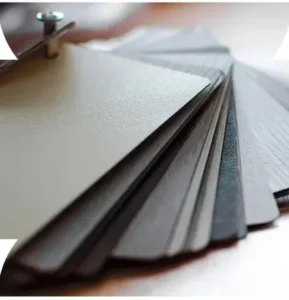
In the aftermath of the Grenfell Tower fire, authorities and industry experts began reassessing the safety of various cladding materials. Certain types of cladding, particularly those containing highly flammable components such as polyethylene or polyurethane, came under intense scrutiny. These combustible materials posed a significant fire risk, especially when installed on high rise structures where fire can spread rapidly.
According to PlanRadar, builders and developers must avoid using cladding products that incorporate these hazardous substances. Instead, opting for non combustible alternatives can significantly reduce the risk of fire related incidents and enhance overall safety.
Cladding: Regulatory Responses
In response to the Grenfell Tower tragedy and growing concerns over combustible cladding, governments around the world have implemented various regulatory measures aimed at mitigating risks and improving building safety standards. In 2018, the New South Wales (NSW) Fair Trading agency in Australia took decisive action by imposing a ban on certain types of aluminium composite panels (ACPs) with a core comprised of polyethylene.
According to NSW Fair Trading, the ban applies to ACPs with a core composition exceeding 30% polyethylene. This regulatory intervention aims to prevent the use of potentially hazardous cladding materials and enhance the safety of buildings across the state.
Frequently Asked Questions
1. What are safe cladding materials?
Safe cladding materials are those designed to minimise fire risks and enhance building safety. These materials typically include non combustible options like fibrous cement and metal cladding, which do not contribute to fire spread.
For further details, please refer to safe cladding materials, non combustible facades , fire compliance.
2. Why is it important to avoid hazardous cladding?
Avoiding hazardous cladding is crucial because these materials, such as those containing polyethylene or polyurethane, can significantly increase fire risks. Choosing safe cladding materials helps protect occupants and prevents catastrophic fire incidents.
For further details, please refer to safe cladding materials, non combustible facades , fire compliance.
3. What types of cladding material are considered hazardous?
Hazardous cladding typically includes materials like aluminium composite panels (ACPs) with a polyethylene core. These materials have been linked to rapid fire spread, as seen in incidents like the Grenfell Tower fire.
For further details, please refer to safe cladding materials, non combustible facades , fire compliance.
4. How can I identify safe cladding materials for my project?
To identify safe cladding materials, look for products that are non combustible, have excellent fire resistance and comply with local building regulations. Consulting with experts can also provide guidance on selecting the right cladding material.
For further details, please refer to safe cladding materials, non combustible facades , fire compliance.
5. What regulations address the use of hazardous cladding?
Many regions have implemented regulations to restrict the use of hazardous cladding. For example, New South Wales has banned certain ACPs with high polyethylene content, promoting the use of safe cladding materials that meet safety standards.
For further details, please refer to safe cladding materials, non combustible facades , fire compliance.
6. Are there alternatives to hazardous cladding materials?
Yes, alternatives to hazardous cladding materials include fibrous cement, metal cladding and brick cladding. These materials provide better fire resistance and durability while ensuring compliance with safety regulations.
For further details, please refer to safe cladding materials, non combustible facades , fire compliance.
7. What are the benefits of using safe cladding materials?
Safe cladding materials enhance fire safety, reduce maintenance needs and improve building longevity. They also help in maintaining compliance with evolving building codes, which prioritise occupant safety.
For further details, please refer to safe cladding materials, non combustible facades , fire compliance.
8. How does hazardous cladding impact insurance for buildings?
Buildings with hazardous cladding may face higher insurance premiums or challenges in obtaining coverage. Insurers are increasingly cautious about properties using unsafe cladding materials, emphasising the importance of selecting safe options.
For further details, please refer to safe cladding materials, non combustible facades , fire compliance.
9. What role do architects play in selecting cladding material?
Architects are crucial in selecting cladding material, ensuring that it meets aesthetic, functional and safety requirements. They help identify safe cladding materials while adhering to local regulations and codes.
For further details, please refer to safe cladding materials, non combustible facades , fire compliance.
10. Can I retrofit existing buildings with safe cladding materials?
Yes, retrofitting existing buildings with safe cladding materials is possible. This process can improve fire safety and comply with updated building regulations, making the building safer for occupants.
For further details, please refer to safe cladding materials, non combustible facades , fire compliance.
11. How do I ensure proper installation of cladding materials?
Ensuring proper installation of cladding materials involves adhering to manufacturer guidelines, industry best practices and local building codes. Proper detailing, weatherproofing and fire sealing are critical to maximising safety.
For further details, please refer to safe cladding materials, non combustible facades , fire compliance.
12. What is the future of cladding material in construction?
The future of cladding material in construction will likely emphasise increased safety and sustainability. Innovations in materials will continue to focus on developing safe cladding materials that enhance fire resistance while meeting aesthetic demands.
For further details, please refer to safe cladding materials, non combustible facades , fire compliance.
Thank you for your visit and welcome to the construction home