
Efficient design | Sustainable building | Passive design
At Sydney Contracting Engineers (SCE Corp), we deliver energy efficient building designs that optimise insulation, glazing, and solar integration in accordance with ISO 14001 standards. Our approach reduces energy consumption and lifecycle costs while improving environmental performance across every project we deliver.
Energy efficiency has become a cornerstone of sustainable construction, balancing reduced energy use with functionality, comfort, and long term cost savings. This article explores the concept of energy efficient design, its practical applications, and the key strategies that define best practice in sustainable building.
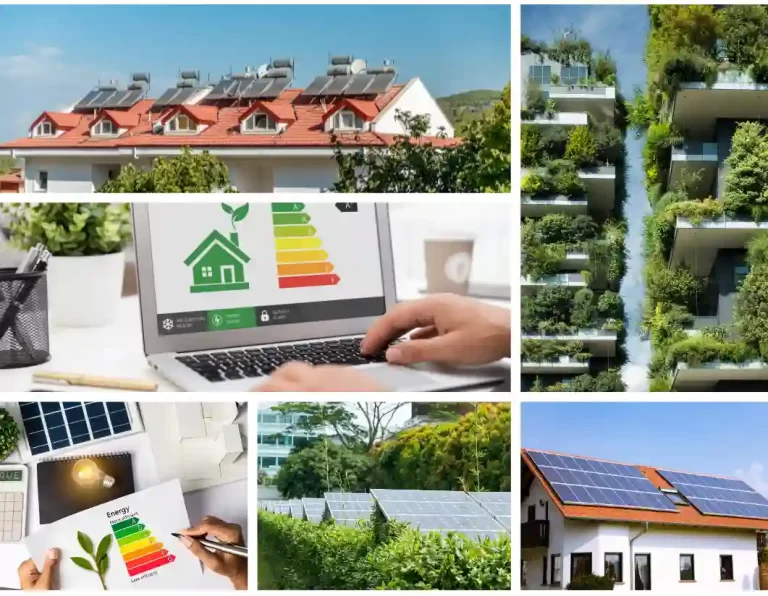
What Is the Design for Energy Efficiency?
Designing for energy efficiency involves creating buildings and spaces that use minimal energy to maintain optimal operations. This concept is guided by principles that aim to enhance sustainability, reduce greenhouse gas emissions and optimise the use of natural resources. The sixth principle of energy efficiency design, as outlined in green chemistry principles, focuses on designing processes to operate efficiently at ambient temperature and pressure.

Why Energy efficient designs Matters
Energy efficient designs directly address global energy challenges. With buildings consuming about 40% of global energy, architects and engineers are under increasing pressure to implement solutions that mitigate environmental impacts while lowering operational costs. The benefits extend beyond financial savings, encompassing improved indoor air quality, enhanced occupant comfort and reduced reliance on fossil fuels.
The Role of Passive and Active Strategies
Achieving energy efficiency involves integrating both passive and active design strategies. Passive strategies focus on harnessing natural resources like sunlight and airflow to reduce energy demands. Active strategies, on the other hand, employ innovative technologies to optimise energy consumption. These strategies work together to create sustainable, high performance buildings.
What Is an Example of an Energy Efficient Building Design?
Energy efficient designs come to life in many remarkable architectural projects around the world. One outstanding example is the Edge building in Amsterdam. This structure is celebrated for its innovative energy systems and efficient resource use, making it one of the most sustainable office buildings globally. According to Illustrarch, the Edge generates more energy than it consumes. With features such as solar panels, rainwater harvesting and advanced energy monitoring systems, the building sets a benchmark for future constructions.
Four Key Features of Energy Efficient Design
Energy efficient designs rely on a mix of smart planning and advanced technology. These four key features are integral to such designs:
1. Optimised Building Orientation
A building’s orientation determines how much natural sunlight and ventilation it receives, directly reducing dependency on artificial lighting and air conditioning. Effective orientation maximises solar gains in winter while minimising overheating in summer.
2. High Performance Insulation
Insulation reduces heat transfer between a building’s interior and exterior. Materials such as rigid foam boards, spray foam, and insulated concrete forms minimise energy loss and improve overall thermal performance.
3. Energy Efficient Windows
Double glazed or low emissivity (low-e) windows maintain indoor temperatures by preventing heat loss in winter and reducing heat gain in summer, improving thermal comfort and reducing reliance on HVAC systems.
4. Advanced HVAC Systems
Heating, ventilation, and air conditioning systems equipped with variable speed compressors and smart thermostats optimise energy use while maintaining indoor comfort without excessive energy consumption.

Frequently Asked Questions
1. What is sustainable building design and why is it important?
Sustainable building design refers to creating buildings or systems that use minimal energy while maintaining comfort, functionality and performance. It is essential because it reduces energy consumption, lowers greenhouse gas emissions and saves money on energy bills, contributing to sustainable building practices.
For further details, please refer to Efficient design, Sustainable building, Passive design.
2. What are the key principles of sustainable building design?
The core principles include passive design strategies, efficient use of materials, renewable energy integration and advanced technologies. These ensure optimal energy use while enhancing comfort and sustainability.
For further details, please refer to Efficient design, Sustainable building, Passive design.
3. Can sustainable building design be applied to both residential and commercial buildings?
Yes, sustainable building design can be implemented in both residential and commercial buildings. Sustainable building practices such as passive design strategies and energy efficient materials benefit all building types.
For further details, please refer to Efficient design, Sustainable building, Passive design.
4. What are passive design strategies?
Passive design strategies use the building’s orientation, natural ventilation and thermal mass to reduce the need for mechanical heating or cooling. These are crucial components of sustainable building design and sustainable building practices.
For further details, please refer to Efficient design, Sustainable building, Passive design.
5. How do sustainable buildings save money?
Sustainable buildings reduce operational costs by minimising energy usage for heating, cooling and lighting. Implementing passive design strategies and renewable energy systems further enhances these savings.
For further details, please refer to Efficient design, Sustainable building, Passive design.
6. What materials are commonly used in sustainable building design?
Sustainable building design often incorporates eco friendly materials such as recycled steel, bamboo, reclaimed wood, low VOC paints and energy efficient insulation. These materials reduce environmental impact and enhance long term building performance.
For further details, please refer to Efficient design, Sustainable building, Passive design.
7. How does energy efficiency contribute to sustainable building design?
Energy efficiency is a core principle of sustainable building design. It minimises energy consumption through smart systems, efficient lighting, renewable energy sources and improved insulation, helping reduce operational costs and carbon footprint.
For further details, please refer to Efficient design, Sustainable building, Passive design.
8. What is the role of water conservation in sustainable building design?
Water conservation is essential in sustainable design. Techniques such as rainwater harvesting, greywater recycling and low flow fixtures help reduce water waste and promote responsible resource management in both residential and commercial buildings.
For further details, please refer to Efficient design, Sustainable building, Passive design.
9. How does sustainable building design impact occupant health and comfort?
Sustainable buildings prioritise indoor air quality, natural lighting and temperature regulation. By using non toxic materials and improving ventilation, they create healthier, more comfortable living and working environments.
For further details, please refer to Efficient design, Sustainable building, Passive design.
10. What certifications recognise sustainable building design in Australia?
In Australia, sustainable building design can be certified under programs like Green Star, NABERS and BASIX. These certifications evaluate energy use, water efficiency, materials and overall sustainability performance.
For further details, please refer to Efficient design, Sustainable building, Passive design.
Thank you for your visit and welcome to the construction home