
Cladding Replacement NSW | Compliant Systems & Recladding Solutions
Safer facades. Compliant solutions. Proven delivery.
Fix Non Compliant Cladding Before It Becomes a Liability
At Sydney Contracting Engineers (SCECorp), we specialise in fire compliant cladding and recladding solutions across Sydney.
With updated National Construction Code (NCC) and AS 5113 standards in place, properties with outdated or flammable cladding like polyethylene (PE) and aluminium composite panels (ACP) are at risk legally and physically.
We help strata committees, insurers, government bodies and owner corporations meet these standards through a proven, compliant and cost effective façade upgrade process.
SCE also specialises in Cladding Replacement NSW for ACP and PE removal with a clear pathway from assessment to completion. We install Compliant Cladding Systems that align with NCC 2019 and AS 5113 and we keep records that support strata and council requirements. We scope Cladding Replacement NSW to suit access constraints fire risks and approval pathways while aligning to Compliant Cladding Systems requirements.
Our Recladding Solutions NSW are planned with safe access control and staged work so owners and occupants can manage disruption. Cladding Replacement NSW delivery includes testing evidence where required plus QA traceability for materials and installation.
Buildings with PE or ACP cladding can carry serious compliance and safety risk so Cladding Replacement NSW should be assessed early.
- Insurance claim refusals
- Higher premiums
- Reduced property value
- Legal penalties
- Life threatening fire risks
Compliant Cladding Systems That Protect Lives and Assets
Non Compliant Cladding: What’s at Stake?
Certified Panel Options We Install
- Aluminium solid panels
- Fibre cement
- High density mineral core panels
- Non combustible aluminium cladding systems (AS 5113 tested)
Each system is selected to match your building’s structure, fire rating needs and aesthetic goals. This approach supports Compliant Cladding Systems approval and keeps Cladding Replacement NSW outcomes consistent.
What Sets Our Recladding Process Apart
Fully D&BP Act, NCC 2019 & AS 5113 Compliant
Our façade systems meet or exceed current national fire safety standards for high risk buildings.
Reports, Certifications & Insurance Support
We provide complete documentation, test results and post installation compliance certificates to assist with insurance, council and strata requirements
End to End Management
From site assessment and materials testing to façade removal, remediation and recladding we manage every stage with our certified in house team.
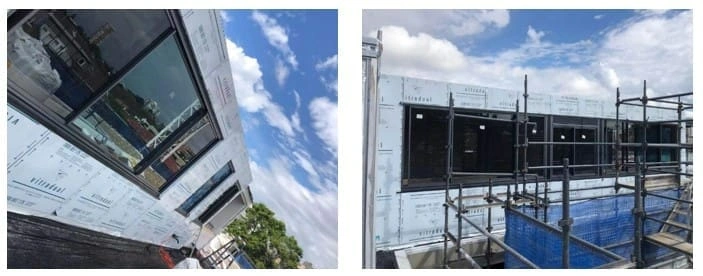
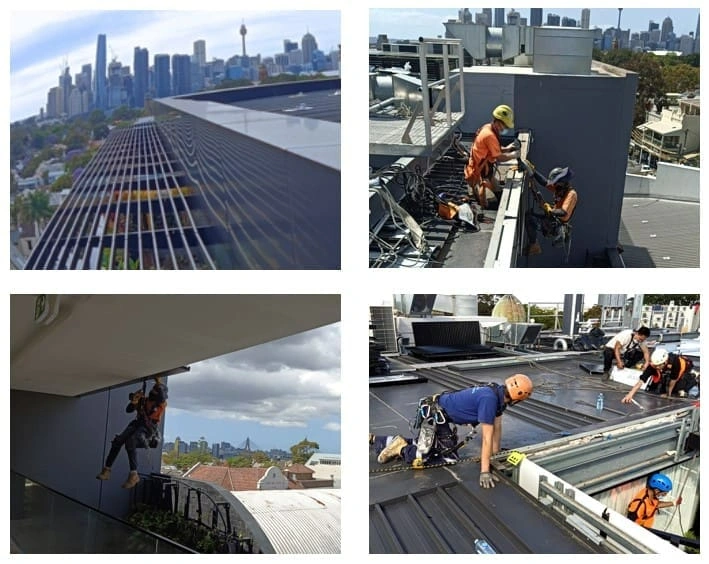
See more examples in our project highlights and hear what building owners have to say in our client testimonials.
Why SCECorp?

- ISO 9001, 14001 and 45001 certified for quality, environment and safety
- Compliant with D&BP Act, NCC 2019, AS 5113
- Deep experience in Project Remediate, strata and government remediation
- In house engineers, trades and site supervisors
- Transparent documentation, upfront risk reporting
- Australian owned and operated with a trusted compliance record
Learn more about our full building services, including remedial works, roof upgrades and construction delivery.
Unsure if your cladding is compliant? Book a free inspection and risk assessment with our fire façade experts.
- Call (02) 9051 9590
- Email info@scecorp.au
- Based in Sydney and servicing NSW-wide
Frequently Asked Questions
1) What is non compliant cladding and why is it a risk in NSW?
2) Which cladding materials are commonly used for fire compliant façade upgrades?
3) How is cladding compliance checked before recladding starts?
4) What does the recladding process usually involve?
5) What are the main risks of leaving combustible cladding in place?
6) How long does cladding replacement take in Sydney and NSW?
7) Can recladding be staged to reduce disruption for occupants?
8) How are waterproofing and façade interfaces handled during recladding?
9) What is the difference between cladding remediation and full replacement?
10) How can a cladding assessment or recladding quote be started?
Thank you for your visit and welcome to the construction home