
Cladding Replacement and Compliance
Cladding replacement is required when existing materials no longer meet current fire safety and compliance standards. Upgrading ensures buildings remain safe, compliant, and aligned with modern construction requirements.
Why cladding replacement Is Required
- Existing cladding may no longer meet current fire safety and compliance standards, particularly in older buildings
- Regulatory requirements evolve, making previously acceptable materials non-compliant over time
- Non-compliant cladding can introduce safety risks and increase exposure to regulatory action
- Upgrades ensure the building aligns with current codes and meets modern performance expectations
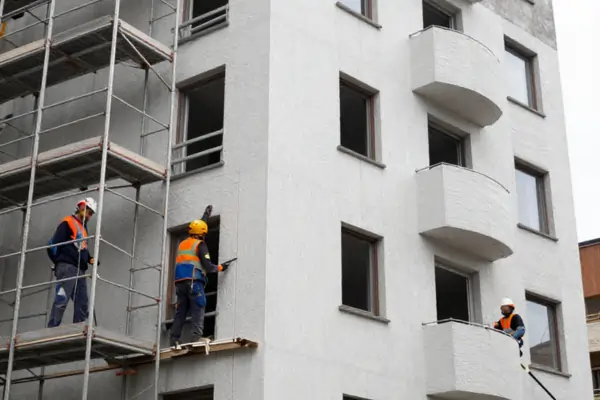
Once the need for fire safety and regulatory alignment is identified, our team follows a structured technical process to execute the rectification with precision and minimal impact.
How Cladding Replacement Is Delivered
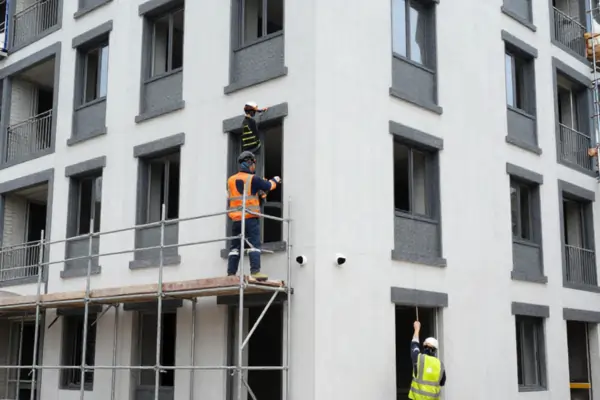
- Existing cladding systems are carefully removed to prepare the structure for compliant installation
- New non-combustible materials are installed to meet current fire safety and regulatory standards
- Works are staged to allow residents to remain safely within occupied buildings throughout the process
- Coordination ensures the building remains protected while disruption to occupants is minimised
Frequently Asked Questions
1. What is cladding replacement and when is it required?
Cladding replacement involves removing existing facade materials that no longer meet current fire safety or compliance standards and installing certified non-combustible alternatives. It is required when a building inspection, engineering assessment, or regulatory audit identifies cladding materials that pose a fire safety risk or fail to comply with current NCC requirements. In NSW, cladding replacement is commonly triggered by combustible aluminium composite panels with a polyethylene core being identified on residential or commercial buildings constructed prior to the 2018 ban.
2. How do I know if my building has non compliant cladding?
The most reliable way to determine whether your building has non compliant cladding is to commission a facade inspection and cladding audit by a qualified engineer or building consultant. Common indicators include aluminium composite panels installed on buildings constructed between the late 1990s and 2018, particularly on high rise residential and commercial buildings. In NSW, the Cladding Taskforce has conducted audits across the state and may have already flagged your building if it is classified as high risk. Building owners and owners corporations can also check with their local council or fire authority for any existing notices or orders relating to cladding compliance.
3. Who is responsible for cladding replacement in a strata building?
In a strata building, responsibility for cladding replacement typically rests with the owners corporation, as the external facade is classified as common property under the Strata Schemes Management Act 2015. The owners corporation is responsible for maintaining and repairing common property to a standard consistent with its original condition, which includes addressing non compliant cladding identified through an audit or regulatory notice. Individual lot owners are generally not responsible for external cladding works unless the defect arises from their own lot. Legal and strata management advice should be sought early to clarify responsibilities and funding obligations.
4. Does cladding replacement require DBP Act compliance in NSW?
Yes. Cladding replacement involves regulated designs under the Design and Building Practitioners Act 2020 (DBP Act), meaning the replacement design must be prepared and declared compliant by a registered design practitioner before installation commences. This includes fire safety design declarations, structural connection details, and weatherproofing specifications. Engaging a DBP Act registered contractor and design practitioner from the outset ensures the replacement works are fully compliant and properly documented, reducing the risk of liability and certification issues at completion.
5. How long does cladding replacement take?
Timeframes vary depending on the size and height of the building, the extent of the cladding system being replaced, access requirements, and the complexity of the replacement design. A small to medium residential building may take several weeks, while a large multi storey commercial or strata building can take several months to complete. SCE Corp stages all cladding replacement works to allow residents and occupants to remain safely within the building throughout the process, minimising disruption while maintaining building protection at all times.
6. Can residents stay in the building during cladding replacement?
In most cases yes. SCE Corp coordinates cladding replacement works in a staged manner specifically to allow residents and occupants to remain safely within the building throughout the process. Temporary weatherproofing and protective measures are installed as works progress to ensure the building envelope remains protected at all stages. Where works require temporary access restrictions to specific areas, residents are notified well in advance and alternative arrangements are made where necessary.
7. What materials are used to replace non compliant cladding?
Non compliant cladding is replaced with certified non combustible materials that meet current fire safety and NCC requirements. Common replacement materials include aluminium composite panels with a non combustible mineral core, fibre cement cladding, glass reinforced concrete panels, steel and aluminium sheeting, and terracotta or ceramic facade systems. The most appropriate material is selected based on the building’s design, structural requirements, fire safety performance criteria, and budget. All replacement materials must be independently tested and certified to AS 5113 fire propagation standards before use.
8. What are the consequences of not replacing non compliant cladding?
Failing to address non compliant cladding can have serious legal, financial, and safety consequences for building owners and owners corporations. These include regulatory orders and fines issued by local councils or fire authorities, increased insurance premiums or loss of insurance coverage, reduced property values and difficulties with property sales and settlements, and most critically, an elevated risk of fire spreading rapidly across the building facade in the event of a fire. Under the DBP Act, building owners who fail to address known non compliant cladding may also face claims for economic loss from affected occupants and future owners.
9. Is financial assistance available for cladding replacement in NSW?
The NSW Government has introduced limited assistance programmes to support building owners and strata communities in addressing non compliant cladding, particularly for residential buildings. However, government funding typically does not cover the full cost of replacement works, and eligibility criteria apply. Building owners and owners corporations are encouraged to seek advice from their strata manager, legal advisor, and a qualified cladding replacement contractor to understand their funding options, insurance entitlements, and any available government assistance before committing to a replacement programme.
10. How do I choose a cladding replacement contractor in NSW?
Choosing the right cladding replacement contractor is critical to ensuring the works are delivered safely, compliantly, and to a high standard. Key factors to consider include holding a valid contractor licence under the NSW Home Building Act 1989, demonstrated experience with cladding replacement on similar building types, the ability to engage registered design practitioners for DBP Act declarations, a clear understanding of AS 5113 fire testing requirements, and a structured approach to staging works in occupied buildings. SCE Corp is an experienced specialist cladding replacement contractor across Sydney and NSW, delivering fully compliant replacement programmes from initial facade audit through to DBP Act certified installation and handover.
Thank you for your visit and welcome to the construction home.