
The Role of Civil Engineering in Land Subdivision
Land subdivision is the first step in transforming raw land into a buildable space, whether for residential, commercial, or mixed use developments. Far more complex than simply dividing a parcel into smaller plots, it requires careful planning, precise design, and expert execution. Civil engineers evaluate the land’s suitability for development, ensure compliance with local zoning laws, and address challenges such as soil stability, drainage, and topography before any works begin.
Once approved, civil engineers develop detailed infrastructure plans covering road layouts, water supply systems, stormwater management, and sewage systems to service the new lots. This technical expertise is what transforms raw land into a viable, safe, and well structured space ready for development.
Key Considerations for Infrastructure Construction After Subdividing Land
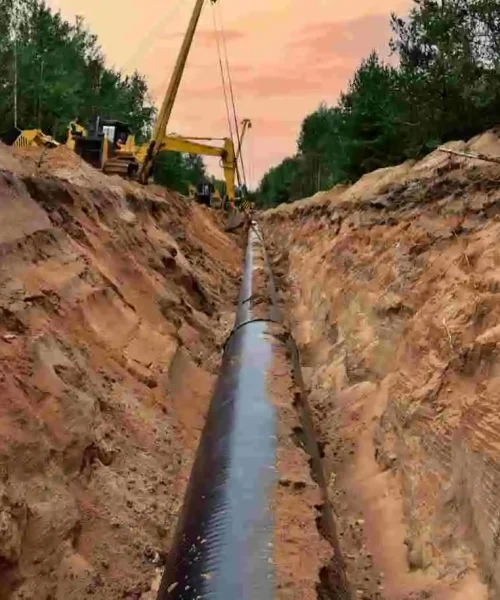
Infrastructure construction is the next critical phase Once subdividing land is complete.
Infrastructure construction involves the creation of essential systems such as roads, utilities, drainage and sewer systems, which are vital for the functionality and sustainability of the new development.
Key considerations of infrastructure construction include:
- Drainage: Proper drainage systems are crucial to prevent flooding and erosion, which can not only damage the new infrastructure but also pose safety risks for residents or businesses.
- Stormwater management. Civil engineers design stormwater management systems that channel excess water away from roads, properties and other structures, while also adhering to local environmental regulations.
- Utility installation, including water supply, electricity, gas and telecommunications. These utilities need to be planned, designed and installed in ways that ensure long term efficiency, safety and ease of maintenance.
- Road networks Engineers ensure proper traffic flow, emergency access, and pedestrian safety by carefully considering road width, pavement materials, signage, and street lighting throughout the subdivision.
- Environmental impact Civil engineers must comply with environmental standards to ensure infrastructure construction does not harm the surrounding ecosystem, covering water runoff, soil stability, and the protection of natural habitats.
How Civil Engineering Bridges the Gap Between Subdividing Land and Infrastructure Development
Civil engineering acts as the vital link between land subdivision planning and construction. Without proper infrastructure, subdivided parcels remain undeveloped and unusable. The process involves:
Problem solving: Overcoming challenges related to topography, environmental factors, and regulatory constraints to translate conceptual plans into detailed blueprints for roads, utilities, and essential infrastructure.
Infrastructure design and integration: Planning cohesive systems for water, electricity, and telecommunications to ensure every parcel can access essential services, alongside efficient transport networks including roadways, intersections, and pedestrian routes.
Sustainability: Incorporating green infrastructure for stormwater management, energy efficient materials, and adaptable design to ensure developments are practical, efficient, and future proof.
Compliance: Ensuring all infrastructure is designed and constructed in accordance with local building codes, safety standards, and environmental protection requirements.
Frequently Asked Questions
1. What role do civil engineering services play in subdividing land?
Civil engineering services ensure that subdividing land is done safely, efficiently and in compliance with local regulations. Engineers evaluate the site’s topography, soil conditions, drainage patterns and environmental impact to determine its suitability for development before any subdivision occurs.
For further information please refer to civil engineering service), subdividing land, infrastructure construction.
2. Why is land assessment important before subdividing land?
A land assessment allows civil engineers to identify potential challenges such as poor soil stability, flooding risks or steep slopes. Understanding these factors helps guide design decisions and ensures that infrastructure construction can proceed safely and effectively.
3. How do civil engineering services support infrastructure construction after subdivision?
Civil engineering services transform subdivision plans into reality by designing and overseeing the construction of roads, utilities, stormwater systems and sewage infrastructure. Their expertise ensures these systems function reliably and meet regulatory requirements.
4. What types of infrastructure are typically built after subdividing land?
Infrastructure construction often includes roads, water supply systems, sewer networks, stormwater drainage, electrical lines and telecommunications. These elements are essential for making newly subdivided land suitable for residential, commercial or industrial use.
5. Why is drainage an important part of infrastructure construction?
Proper drainage prevents erosion, flooding and water damage to newly built structures. Civil engineers design stormwater systems that manage runoff effectively, protect the environment and ensure long term durability of infrastructure.
6. How do civil engineers ensure that new subdivisions comply with zoning and environmental regulations?
Civil engineering services include thorough reviews of local zoning codes, environmental laws and construction standards. Engineers design subdivision layouts and infrastructure systems to meet all regulatory requirements, reducing the risk of delays or legal issues.
7. What challenges do civil engineers address when subdividing land?
Engineers tackle issues such as uneven terrain, limited accessibility, unsuitable soil, water flow patterns and environmental constraints. Their problem solving ensures that subdividing land results in safe, functional and sustainable development sites.
8. How does infrastructure construction support long term community growth?
Well planned infrastructure,such as reliable roads, utilities and drainage systems, creates the foundation for future expansion. Civil engineering services design these systems for durability and adaptability, allowing communities to grow without major disruptions.
9. What is the connection between land subdivision and infrastructure construction?
Subdividing land creates the blueprint for how parcels are arranged, while infrastructure construction brings that blueprint to life. Civil engineering services bridge the gap by designing and implementing the systems needed to make subdivided land usable and connected.
10. Why is sustainability important in modern infrastructure construction?
Sustainable infrastructure reduces environmental impact, lowers long term maintenance costs and improves resilience. Civil engineers incorporate features like green stormwater solutions, energy efficient systems and future proof designs when working on subdividing land and building infrastructure.
Thank you for your visit and welcome to the construction home.