
Dam Construction in NSW | Water Infrastructure Engineering
SCE Corp’s dam construction NSW services span site preparation, embankment works and spillway design. Our civil engineering team focuses on precision and sustainability. With ISO 9001 and 14001 certifications, we ensure environmental responsibility and engineering excellence for public and private water assets.
Dams are monumental engineering feats that shape both landscapes and societies. In construction, they serve critical roles in water management, irrigation and hydroelectric power generation. Exploring dams in the Australian context involves understanding their purpose, the materials used, regulatory requirements and associated costs. This guide unpacks the key aspects of dam construction, highlighting their significance and practical considerations for engineers and stakeholders.
The Purpose of Dams
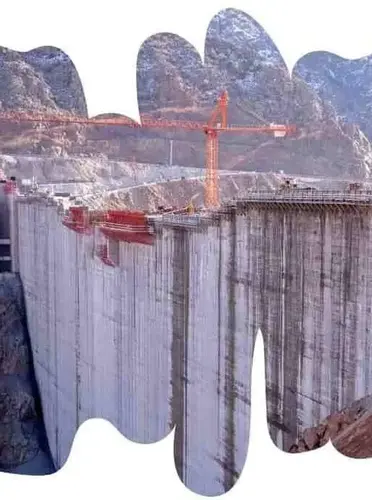
According to National Geographic Education, dams serve multiple essential purposes within modern civil engineering projects. They regulate water flow, mitigate floods and supply water for agricultural, industrial and domestic needs. In the context of dam construction NSW, these structures also support hydroelectric power generation, promoting renewable energy and reducing dependence on fossil fuels. By efficiently managing water resources, dams play a pivotal role in the state’s sustainable development and infrastructure growth.
Materials Used to Build a Dam
Concrete:
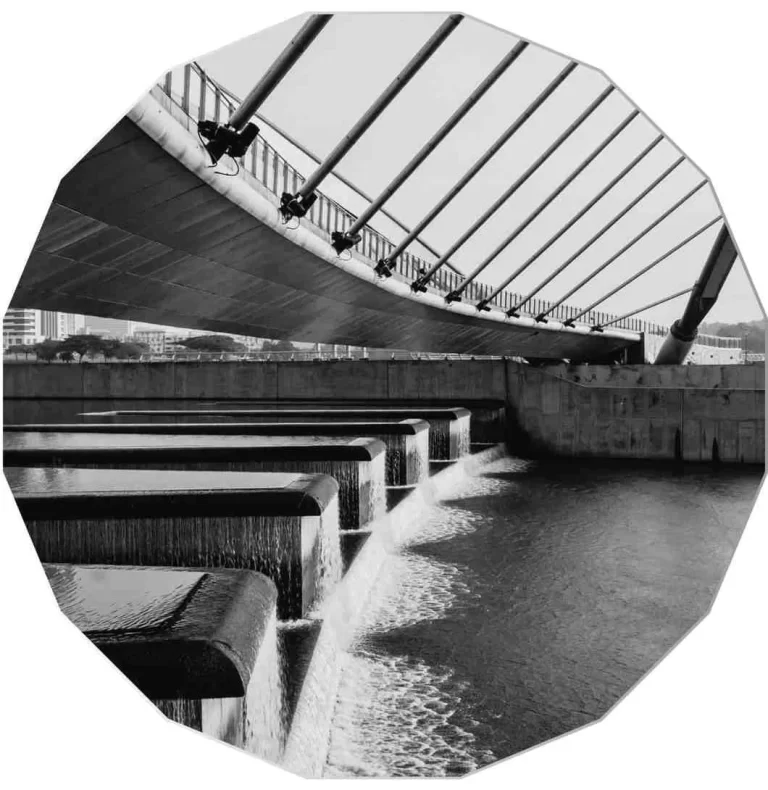
Concrete stands out as a primary material for dam construction due to its durability and strength. It is often used in gravity dams and arch dams, providing structural stability against water pressure.
Rock fill and Earth fill:
Rock fill and earth fill dams utilise natural materials such as rocks, gravel and soil. These dams are constructed by compacting layers of fill material, forming a solid barrier against water flow. They are cost effective and suitable for a wide range of geological conditions.
Steel:
Steel components are employed in dam construction to reinforce concrete structures, providing additional strength and flexibility. Steel gates, pipelines and spillways are common features in modern dam projects.
Timber:
In certain cases, timber is utilised for constructing smaller dams or auxiliary structures. Timber dams are relatively rare today due to their susceptibility to decay and limited lifespan compared to other materials.
Types of Dams
In dam construction NSW, different types of dams are selected based on site conditions, material availability and project requirements. Common types include gravity dams, arch dams, embankment dams and buttress dams. Each type demonstrates unique engineering techniques and materials designed to ensure stability, durability and safety. These civil engineering projects exemplify the innovation and precision required to balance environmental impact with structural integrity in modern infrastructure design.
The construction of a dam necessitates robust materials capable of withstanding immense pressure and environmental forces. According to Dam Safety, the materials commonly used include concrete, steel, rock fill, earth fill and timber.
Frequently Asked Questions
1. What is the significance of understanding dams in construction?
Understanding dams in construction is crucial as they play vital roles in water management, flood control and renewable energy generation. This knowledge helps engineers design efficient structures that meet regulatory and environmental standards. For further details, please refer to dam construction NSW, civil engineering projects, water infrastructure
2. What types of materials are used in understanding dams construction?
The materials commonly used in understanding dams construction include concrete, rock fill, earth fill and steel. Each material is chosen based on the dam’s design, location and intended function, ensuring structural integrity and durability. For further details, please refer to dam construction NSW, civil engineering projects, water infrastructure
3. How do environmental factors influence understanding dams construction?
Environmental factors significantly influence understanding dams construction. Assessments of habitat disruption, water quality and ecological impacts are essential for ensuring sustainable practices and compliance with regulatory requirements. For further details, please refer to dam construction NSW, civil engineering projects, water infrastructure
4. What are the primary purposes of dams in construction?
The primary purposes of dams in construction include controlling water flow, storing water for irrigation and consumption, generating hydroelectric power and preventing floods. Understanding these purposes helps in designing effective dam systems. For further details, please refer to dam construction NSW, civil engineering projects, water infrastructure
5. Do I need permission for understanding dams construction in NSW?
Yes, obtaining permission for understanding dams construction in NSW is necessary, especially for larger dams. Compliance with the Water Management Act 2000 and local planning legislation ensures environmental sustainability and safety. For further details, please refer to dam construction NSW, civil engineering projects, water infrastructure
6. What are the costs associated with understanding dams construction?
The costs of understanding dams construction vary based on size, materials and regulatory requirements. Smaller farm dams may cost several thousand dollars, while larger projects could require significant investment due to engineering and environmental assessments. For further details, please refer to dam construction NSW, civil engineering projects, water infrastructure
7. What types of dams are commonly constructed?
Common types of dams in understanding dams construction include gravity dams, arch dams and embankment dams. Each type has unique design features and material requirements tailored to specific geographical conditions. For further details, please refer to dam construction NSW, civil engineering projects, water infrastructure
8. How do understanding dams construction practices vary by location?
Understanding dams construction practices can vary significantly based on local regulations, environmental considerations and geological conditions. Engineers must adapt designs to meet specific regional needs and comply with state laws. For further details, please refer to dam construction NSW, civil engineering projects, water infrastructure
9. What are the main challenges in understanding dams construction?
The main challenges in understanding dams construction include navigating regulatory compliance, addressing environmental impacts and engaging with stakeholders. Proper planning and collaboration can mitigate these challenges. For further details, please refer to dam construction NSW, civil engineering projects, water infrastructure
10. How can understanding dams construction contribute to agricultural productivity?
Understanding dams construction contributes to agricultural productivity by providing reliable water sources for irrigation and livestock. This is vital for sustaining rural livelihoods, especially in areas prone to drought. For further details, please refer to dam construction NSW, civil engineering projects, water infrastructure
11. What role do regulatory requirements play in understanding dams construction?
Regulatory requirements are essential in understanding dams construction as they govern water licensing, environmental assessments and safety protocols. Compliance ensures that dams are built sustainably and minimise negative impacts. For further details, please refer to dam construction NSW, civil engineering projects, water infrastructure
12. How does community engagement factor into understanding dams construction?
Community engagement is a key component of understanding dams construction. Involving local stakeholders ensures transparency, addresses concerns and fosters support, ultimately leading to more successful and accepted projects. For further details, please refer to dam construction NSW, civil engineering projects, water infrastructure
Thank you for your visit and welcome to the construction home