
What Fire Restoration Means for Building Remediation Services
Fire restoration is a critical aspect of building remediation services as it involves not only cleaning up after the disaster but also ensuring the structure is safe for future use. After a fire, homes and buildings often suffer from structural damage, smoke infiltration, water damage from firefighting efforts and hazardous material contamination.
Fire restoration services typically begin with a thorough assessment to evaluate the extent of the damage and the specific needs of the building. This includes both visible and hidden damage such as weakened structural components or lingering toxins from soot and ash. In many cases, the process is guided by strict fire safety NSW requirements to ensure the building can be safely restored and reoccupied.
The Essential Steps in Fire Damage Assessment and Initial Response | Techniques and Technologies Used in Fire Damage Restoration

Assessment and immediate response Once the fire is extinguished and the site is safe to enter, a thorough inspection identifies both visible and hidden damage, including structural integrity issues such as weakened beams, foundation cracks, sagging roofs, and exposed wiring.
Specialist inspection and testing Moisture meters detect absorbed water that could lead to mould growth, thermal imaging cameras reveal hidden hotspots behind walls or ceilings, and air quality testing identifies smoke and soot contamination that may threaten occupant safety and compliance.
Secure the property Boarding up broken windows, sealing damaged walls, and installing temporary supports protect the building from further deterioration while ensuring restoration works can proceed safely and in accordance with building remediation guidelines.
Ensuring Construction Safety: Key Considerations When Installing Hoardings
- Strict adherence to safety standards. Restoring a building after a fire requires and a focus on maintaining structural integrity.
- Ensuring that the building’s foundation and load bearing walls remain intact. Fire can compromise these critical components and any damage must be addressed before any cosmetic repairs or reconstruction can begin.
- Verifying that the foundation can support the rebuilding process. Engineers conduct load testing and structural analysis to confirm the foundation can support rebuilding. Where needed, reinforcements such as steel beams or foundation stabilisation are implemented to restore structural strength.
- Installation of construction hoardings. These barriers are required to create a safe working environment and protect the public from construction activities.
- Hoardings must be securely placed and designed to withstand outdoor conditions. They also help restrict access to hazardous areas during the early stages of building remediation services where the structure may still be vulnerable.
As restoration progresses, specialists inspect materials, verify structural supports, and ensure all works align with remedial building standards and engineering recommendations. Effective coordination between engineers, restoration teams, and safety inspectors is essential to achieving long term building stability.
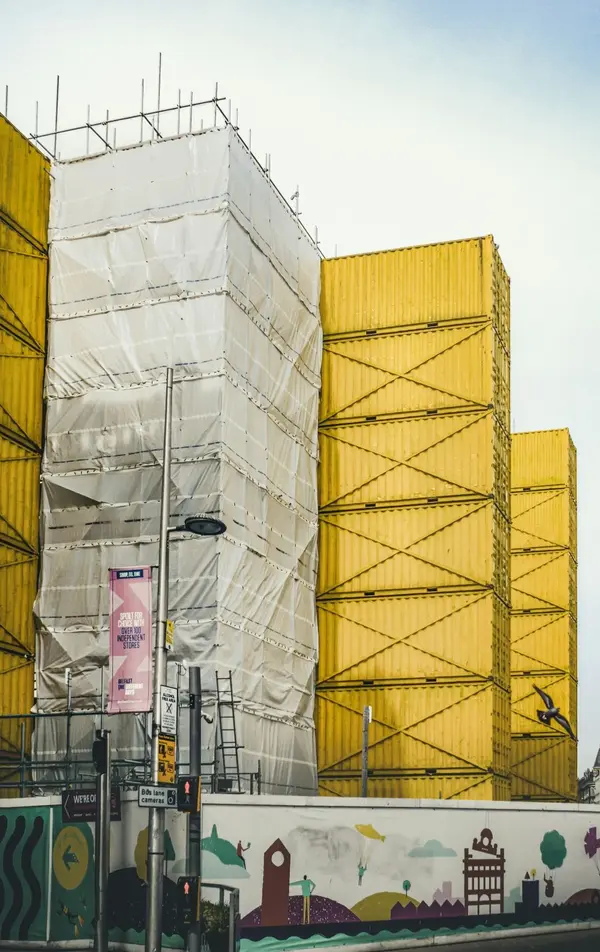
Fire restoration is more than surface level cleaning. It requires strategic planning, safety focused processes and a deep understanding of structural behaviour. By integrating fire safety NSW principles and rigorous assessment practices, building owners can feel confident that the restored structure will be safe durable and ready for use.
This level of precision is why building remediation services and remedial building services are relied upon to bring damaged properties back to life. Through careful evaluation and targeted reconstruction methods, fire damaged buildings can be restored to their original strength while also meeting modern safety requirements.
Frequently Asked Questions
1. What is fire restoration and why is it important?
Fire restoration is the process of repairing a building after a fire and making it safe to use again. It includes cleaning debris, removing smoke damage and repairing structural issues. It is important because it protects occupants and helps the building meet fire safety NSW standards.
For further information please refer to fire safety NSW, remedial building services, building remediation services.
2. How do building remediation services help after a fire?
Building remediation services assess the full extent of the damage and create a plan to restore the structure. These services ensure the building is repaired safely and brought back to a stable condition.
For further information please refer to fire safety NSW, remedial building services, building remediation services.
3. What is included in the first stage of fire damage assessment?
The first stage includes inspecting visible and hidden damage, checking structural stability and identifying hazards. This step guides the entire restoration process and supports fire safety NSW requirements.
For further information please refer to fire safety NSW, remedial building services, building remediation services.
4. Why is smoke and soot removal necessary?
Smoke and soot contain harmful particles that can affect air quality and create long term health risks. Removing them is essential to meet safety guidelines and ensure effective remedial building services.
For further information please refer to fire safety NSW, remedial building services, building remediation services.
5. What tools are used during fire damage inspection?
Restoration teams often use moisture meters, thermal imaging cameras and air quality testing. These tools help detect unseen damage and support accurate building remediation services planning.
For further information please refer to fire safety NSW, remedial building services, building remediation services.
6. Do I need structural reinforcement after a fire?
If the foundation or load bearing walls are weakened, reinforcement may be required. Engineers will determine this during assessment to ensure compliance with fire safety NSW rules.
For further information please refer to fire safety NSW, remedial building services, building remediation services.
7. Why are hoardings used during restoration?
Hoardings create a safe barrier around the site. They protect the public and workers during building repairs and are a key part of safe remedial building services.
For further information please refer to fire safety NSW, remedial building services, building remediation services.
8. How long does fire restoration usually take?
The timeline depends on the severity of the damage. Small incidents may take a few weeks while major structural repairs can take months. Early assessment helps determine a more accurate timeframe.
For further information please refer to fire safety NSW, remedial building services, building remediation services.
9. What makes fire restoration different from general repairs?
Fire restoration involves dealing with structural damage, water intrusion and hazardous contaminants. This process must meet fire safety NSW regulations and often requires specialist expertise.
For further information please refer to fire safety NSW, remedial building services, building remediation services.
10. Can a fire damaged building be restored to its original condition?
Yes, many buildings can be fully restored through skilled building remediation services and engineering support. In some cases, the structure may even be improved with modern safety upgrades.
For further information please refer to fire safety NSW, remedial building services, building remediation services.
Thank you for your visit and welcome to the construction home.