
How Industrial Construction Services and Infrastructure Construction Support NSW Development
Industrial construction services play a critical role in delivering complex, high performance facilities such as processing plants, commercial and industrial structures, warehouses and manufacturing infrastructure. These projects require specialised engineering design, heavy structural systems and precise coordination of services to support operational demands, safety requirements and long term durability. Industrial construction must also accommodate high loadings, process equipment and strict compliance with environmental and workplace safety standards.
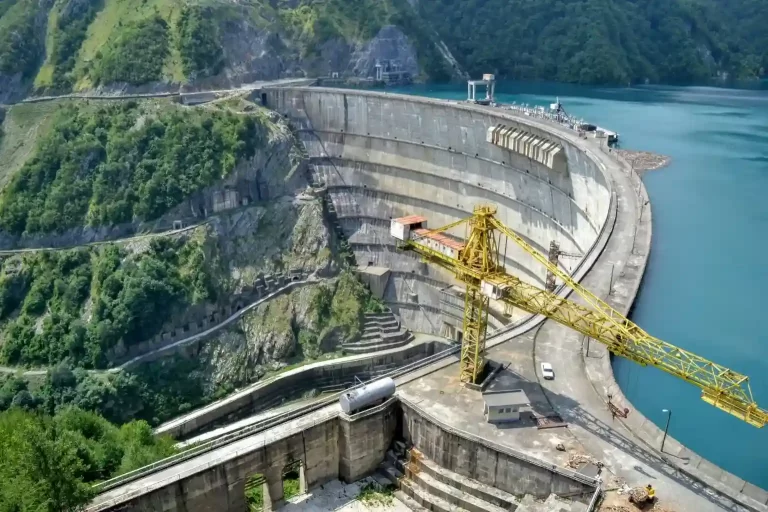
Infrastructure construction expands this ecosystem by delivering long term public and private assets, including roads, bridges, dams and essential utility networks that support economic growth and community resilience across NSW. Dam construction, in particular, demands advanced civil and structural engineering, detailed hydrological analysis and rigorous risk management to control flood events, manage water storage and ensure public safety. Together, industrial and infrastructure construction form the backbone of sustainable development by providing reliable assets that perform safely and efficiently throughout their full lifecycle.

The Key Role of Industrial Construction Services in NSW’s Growth
Industrial construction services must meet strict engineering, safety and environmental requirements. These facilities handle heavy loads, complex systems and operational risks. Key components include:
- Structural concrete and steel works
- Industrial foundations
- Mechanical and electrical services
- Heavy machinery installation
- Environmental and safety compliance
Cutting corners in industrial construction can lead to operational failures, safety hazards and long term liability, proving once again: “you get what you pay for.”
Infrastructure Construction & the Importance of High Quality Dam Construction
Infrastructure construction covers essential civil works such as:
- Road and highway development
- Drainage and stormwater systems
- Water supply infrastructure
- Energy structures
- Dam construction and upgrade works
Dam construction requires geotechnical studies, hydrological modelling, structural engineering and environmental planning. These projects must withstand pressure, water load and long term environmental conditions.
SCECorp NSW’s Leading Industrial & Dam Construction Partner
With ISO 9001, ISO 14001 and ISO 45001 certified management systems, along with DBP Act NSW accreditation, SCE Corp delivers complex industrial and infrastructure projects with a strong focus on engineering quality, safety and regulatory compliance. Our services span industrial construction, major infrastructure delivery, dam construction support, structural engineering and civil works for large scale facilities that demand high performance and reliability.
SCE Corp applies an engineering led approach that integrates design coordination, constructability planning and risk management throughout the project lifecycle. Dam construction works are supported by detailed structural assessment, hydrological considerations and strict safety controls, while industrial and civil projects are delivered to withstand operational loads and environmental conditions. Through disciplined engineering oversight and certified construction processes, SCE Corp delivers durable, safe and compliant outcomes that support long term asset performance across NSW.
For further information, please refer to industrial construction services, infrastructure construction, dam construction.
Frequently Asked Questions
1. What is industrial infrastructure construction?
Industrial infrastructure construction involves building and developing the physical structures and systems needed to support industrial activities. This includes factories, warehouses, power plants, transportation networks, utility systems and more, all of which are essential for industries to operate efficiently and sustainably.
For further information, please refer to industrial construction services, infrastructure construction, dam construction.
2. Why is industrial infrastructure important for NSW’s growth?
Industrial infrastructure plays a key role in driving economic growth by supporting industries that create jobs, foster innovation and contribute to the state’s overall productivity. The development of industrial infrastructure in NSW facilitates supply chains, improves transportation and logistics and attracts investment, all of which are critical for long term growth.
For further information, please refer to industrial construction services, infrastructure construction, dam construction.
3. How does industrial infrastructure benefit local communities?
Industrial infrastructure provides significant benefits to local communities, including the creation of jobs, improved access to services and better transportation connections. By supporting industrial projects, it stimulates economic development, improves living standards and can even foster the development of related businesses and services in the area.
For further information, please refer to industrial construction services, infrastructure construction, dam construction.
4. What types of industrial infrastructure projects are common in NSW?
Common industrial infrastructure projects in NSW include transportation hubs (like ports, railways and airports), energy generation facilities, manufacturing plants, water treatment plants and waste management systems. These projects often focus on improving supply chains, reducing operational costs and enhancing productivity for industries such as mining, manufacturing and logistics.
For further information, please refer to industrial construction services, infrastructure construction, dam construction.
5. How does industrial infrastructure affect regional development?
Industrial infrastructure is a key driver of regional development in NSW. By improving transportation links, energy access and communication networks, industrial projects help diversify the local economy, attract investment and create new job opportunities. This can lead to the growth of regional cities and towns, as well as increased economic resilience.
For further information, please refer to industrial construction services, infrastructure construction, dam construction.
6. What are the key challenges in industrial infrastructure construction?
Some of the key challenges in industrial infrastructure construction include securing financing, navigating regulatory and zoning requirements, addressing environmental concerns, managing logistics and meeting safety standards. Additionally, project delays and cost overruns can also pose risks to large scale industrial projects.
For further information, please refer to industrial construction services, infrastructure construction, dam construction.
7. How does industrial infrastructure support sustainability?
Industrial infrastructure can support sustainability by incorporating green technologies such as renewable energy sources, energy efficient systems, waste management facilities and environmentally friendly construction practices. This helps reduce the environmental footprint of industrial operations and promotes long term sustainability in NSW’s industrial sectors.
For further information, please refer to industrial construction services, infrastructure construction, dam construction.
8. What role does government play in industrial infrastructure development?
The government plays a critical role in industrial infrastructure development by providing funding, setting regulations, ensuring compliance with safety and environmental standards and encouraging public private partnerships. Government initiatives also help promote investment in key infrastructure projects and ensure that they align with regional and state development goals.
For further information, please refer to industrial construction services, infrastructure construction, dam construction.
9. How does industrial infrastructure construction impact the economy of NSW?
Industrial infrastructure construction directly impacts the economy by boosting employment, stimulating local economies through investment and supporting industries that are vital to NSW’s economy, such as manufacturing, logistics and mining. It also helps improve productivity and competitiveness, leading to long term economic growth.
For further information, please refer to industrial construction services, infrastructure construction, dam construction.
10. What are the economic benefits of improved transportation infrastructure in industrial sectors?
Improved transportation infrastructure, such as roads, railways and ports, significantly enhances the efficiency of supply chains, reduces operational costs for businesses and ensures timely delivery of goods. This boosts the competitiveness of NSW’s industries and attracts investment, which leads to job creation and a stronger economy.
For further information, please refer to industrial construction services, infrastructure construction, dam construction.