
Absolutely. Replacing combustible cladding not only ensures compliance and insurability but also improves the appearance, energy efficiency and buyer confidence, which can lead to higher resale prices and faster sales. For more details, refer to Recladding Sydney, Combustible cladding replacement, AS5113 compliant cladding.
Recladding in Sydney | Combustible cladding replacement | AS5113 compliant cladding
Since the Grenfell Tower incident, recladding in Sydney has become a critical fire safety and compliance issue rather than a cosmetic upgrade. For strata managed and privately owned buildings, the replacement of combustible cladding is now closely linked to regulatory compliance, insurance requirements and occupant safety.
With increasing enforcement under current building regulations, property owners and asset managers are reviewing façades to reduce fire risk and ensure long term compliance.
Why Recladding Is Critical for Sydney Buildings
Combustible cladding, particularly Aluminium Composite Panels (ACP), presents a significant fire risk for many existing buildings across Sydney, Newcastle and surrounding regions. Regulatory changes under the National Construction Code (NCC) and the application of AS 5113 fire testing standards have increased scrutiny on façade performance.
Key drivers for recladding include:
- Fire safety: Combustible façades can accelerate vertical fire spread and compromise evacuation safety.
- Regulatory compliance: Non compliant façades may trigger rectification orders and compliance actions.
- Insurance and asset risk: Buildings with combustible cladding may face increased premiums, exclusions or difficulty securing coverage.
- Owner and strata obligations: Compliance with current façade requirements is now a core responsibility for building owners and owners corporations.
SCE Corp’s Recladding Services
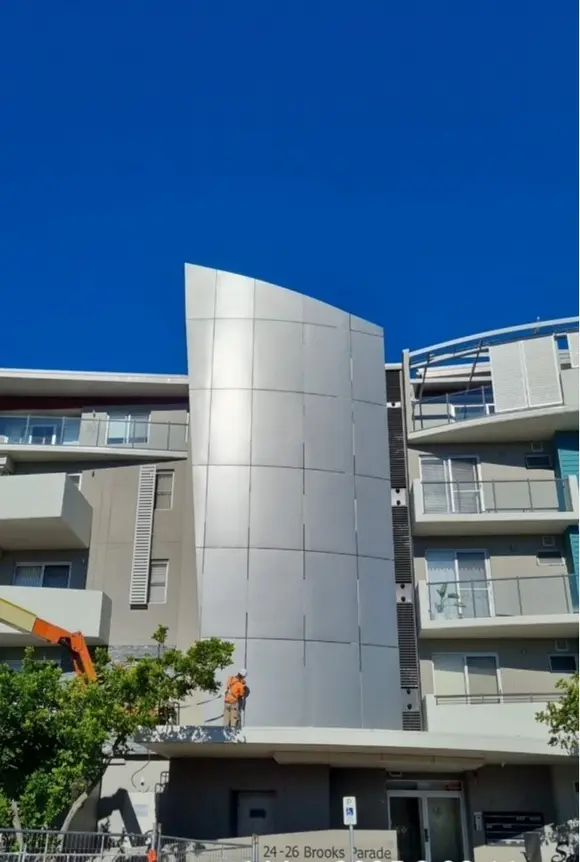
SCE Corp delivers end to end façade remediation works across Sydney and regional NSW, with a focus on combustible cladding replacement and compliant construction delivery. Our recladding works are managed with a strong emphasis on safety, constructability and certification.
Our scope typically includes:
- Site inspections and façade condition assessments
- Safe removal of combustible cladding systems
- Installation of AS5113 compliant cladding systems
- Coordination of engineering inputs and construction sequencing
- Provision of compliance documentation and certification
We work closely with strata managers, building owners and consultants to deliver recladding works that meet regulatory requirements while minimising disruption to occupants.
The Recladding Process (Step by Step)
Recladding works require careful planning and staged delivery, particularly on occupied buildings. SCE Corp manages this process through:
- Inspection and Scope Confirmation
Identification of combustible façade elements and confirmation of remediation scope against applicable standards. - Controlled Removal Works
Safe dismantling and removal of non compliant materials, including temporary weather protection where required. - Engineering and System Approval
Verification of façade systems and supporting structures prior to installation. - Installation of Compliant Systems
Installation of approved non combustible façade materials in accordance with certified details. - Final Certification and Handover
Completion documentation issued to support regulatory, insurance and asset records.
Frequently Asked Questions
Q1) Do all ACP panels need to be removed?
Yes, if the panels are deemed combustible under AS 5113 fire testing, they must be replaced. For more details, refer to Recladding Sydney, Combustible cladding replacement, AS5113 compliant cladding.
Q2) What regulations apply to recladding?
The National Construction Code (NCC 2019) and AS 5113 outline the current standards for façade fire safety. For more details, refer to Recladding Sydney, Combustible cladding replacement, AS5113 compliant cladding.
Q3) Is recladding expensive?
Costs vary by building size, height and materials, but recladding can significantly reduce insurance premiums and increase property value. For more details, refer to Recladding Sydney, Combustible cladding replacement, AS5113 compliant cladding.
Q4) Can recladding modernise my building?
Yes, many clients take this as an opportunity to upgrade to a more modern façade design. For more details, refer to Recladding Sydney, Combustible cladding replacement, AS5113 compliant cladding.
Q5) Do you work with strata and insurers?
Yes , we handle strata recladding, insurance compliance and even support in dispute resolution with insurers. For more details, refer to Recladding Sydney, Combustible cladding replacement, AS5113 compliant cladding.
Q6) How long does a recladding project take?
Most projects take 3–6 months, depending on access and scope. For more details, refer to Recladding Sydney, Combustible cladding replacement, AS5113 compliant cladding.
Q7) Do you provide warranties?
Yes, we offer manufacturer and workmanship warranties on all cladding systems. For more details, refer to Recladding Sydney, Combustible cladding replacement, AS5113 compliant cladding.
Q8) Can I live in my building during the recladding process?
In most cases, yes. SCE Corp plans recladding works in stages to minimise disruption, allowing residents to stay safely in their homes. Temporary safety barriers and weatherproofing are installed throughout the project. For more details, refer to Recladding Sydney, Combustible cladding replacement, AS5113 compliant cladding.
Q9) What types of materials in cladding are approved for compliance in NSW?
Approved non combustible options include aluminium, fibre cement, terracotta and ceramic panels, all tested under AS 5113 and NCC 2019 standards. SCE Corp only uses certified, fire rated materials from reputable manufacturers. For more details, refer to Recladding Sydney, Combustible cladding replacement, AS5113 compliant cladding.
Q10) Does recladding increase property resale value?
Thank you for your visit and welcome to the construction home