
Remedial Works, Building Defects and the DBP Act: What You Need to Know
Whether you are a building owner, strata manager, or construction professional, understanding the difference between remedial works and repairs, identifying common building defects early, and knowing your obligations under the DBP Act are all essential to protecting your asset and meeting your legal duties in NSW.
Is Remedial the Same as Repair?
Remedial works and repairs are often used interchangeably, but they have distinct meanings in building and construction practice across NSW.
Repair refers to restoring a specific element to its original condition following damage or wear. It is typically reactive, limited in scope, and focused on a single component such as fixing a cracked tile or patching a leaking pipe.
Remedial works is a broader term encompassing the investigation, diagnosis, and rectification of building defects, deterioration, or non compliance. Rather than addressing visible symptoms alone, remedial works target the underlying cause of a problem, making them more comprehensive and more technically involved than a standard repair.
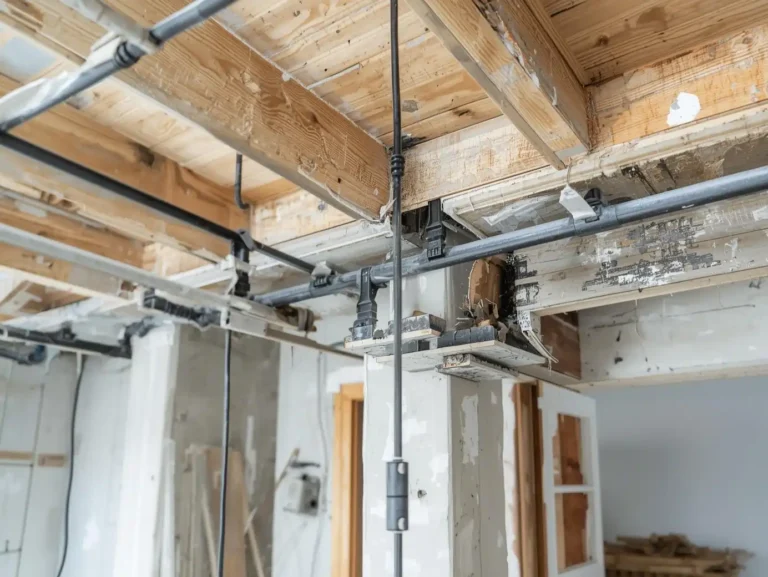
In short, all repairs are a form of remediation, but not all remedial works are simply repairs. Remedial works are typically more comprehensive, more technically involved, and more likely to carry compliance obligations under the DBP Act.
What Are Examples of Remedial Works?
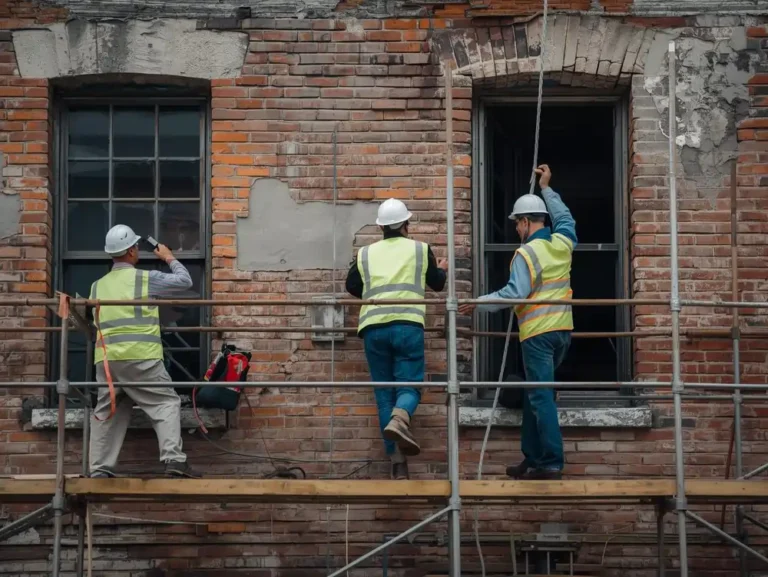
Remedial works span a wide range of building elements and building defect types. Common examples across residential, commercial, and strata buildings in Sydney and NSW include:
- Structural and concrete remediation
- Spalling concrete repair and crack injection
- Corroded reinforcement treatment and concrete resealing
- Waterproofing and water ingress
- Failed waterproofing membrane replacement
- Expansion joint replacement and sealant renewal
- Roof and facade water ingress investigation and rectification
- Facade and cladding
- Facade tile delamination and re-fixing
- Render cracking, spalling, and recoating
- Fire safety and compliance
- Passive fire protection upgrades to meet current NCC requirements
- Emergency egress and exit compliance works
- Strata and common property
- Garage and car park pavement resurfacing
- Balcony and terrace structural repairs
Building defects across these categories are commonly identified through a defect inspection, engineering assessment, or strata defect report. Remedial works should always be scoped and supervised by a qualified engineer or building consultant to ensure compliance with the DBP Act where required.
What Is the Statutory Duty of Care Under the DBP Act?
The DBP Act duty of care requires every person carrying out construction work to exercise reasonable care to avoid economic loss caused by building defects, regardless of whether a contract exists between the parties. Key obligations include:
- Taking reasonable care in the design, construction, and supervision of building works
- Ensuring all regulated designs are declared compliant before construction commences
- Rectifying building defects arising from a failure to meet the required standard of care
- Maintaining documentation to demonstrate DBP Act compliance at every stage
This extends to current and future building owners, meaning owners not party to the original construction contract can still bring a claim for economic loss caused by building defects or defective remedial works. Claims must be brought within six years of the date economic loss was first sustained, typically aligning with the date building defects were discovered or reasonably discoverable.

The DBP Act duty of care is one of the most significant reforms to building accountability in NSW in decades. Building owners, strata managers, and construction professionals should seek legal and engineering advice if building defects are identified that may give rise to a claim.
Understanding the distinction between remedial works and repairs, recognising building defects early, and knowing your obligations under the DBP Act are all critical to protecting your building, your investment, and your legal position in NSW. SCE Corp provides end to end remedial works services across Sydney, from initial building defect investigation through to DBP Act compliant design, construction, and certification.
Frequently Asked Questions
1. What are remedial works in construction?
Remedial works refer to the investigation, diagnosis and rectification of building defects or non-compliant construction. Unlike simple repairs, remedial works address the root cause of an issue to ensure long-term structural integrity and compliance.
2. What is the difference between remedial works and repairs?
Repairs fix a specific issue (e.g. a cracked tile), while remedial works involve a broader process of identifying and resolving underlying building defects, often requiring engineering input and compliance with the DBP Act.
3. What are common building defects in NSW?
Common building defects include:
- Waterproofing failures and water ingress
- Cracked or spalling concrete
- Structural movement and foundation issues
- Façade or cladding defects
- Fire safety non-compliance
These issues often require specialised remedial works to properly resolve.
4. What is the DBP Act in NSW?
The DBP Act (Design and Building Practitioners Act 2020) is legislation in NSW that regulates construction work, ensuring accountability, compliance and quality in building design and construction.
5. What is the statutory duty of care under the DBP Act?
The DBP Act duty of care requires anyone carrying out construction work to take reasonable care to avoid economic loss caused by building defects, even if no direct contract exists.
6. Who does the DBP Act duty of care apply to?
The duty of care under the DBP Act applies to:
- Builders and contractors
- Subcontractors
- Engineers and design practitioners
- Project managers
All parties involved in construction must ensure their work does not result in building defects.
7. What obligations must be met under the DBP Act?
Key obligations under the DBP Act include:
- Exercising reasonable care in design and construction
- Ensuring compliant and declared designs before building
- Rectifying building defects where required
- Maintaining documentation to prove compliance
8. Can building owners make a claim under the DBP Act?
Yes. The DBP Act allows current and future owners to claim for economic loss caused by building defects or defective remedial works, even if they were not part of the original contract.
9. What is the time limit for DBP Act claims?
Claims under the DBP Act must generally be made within six years from when the economic loss was first identified or reasonably discoverable due to building defects.
10. What is the time limit for DBP Act claims?
Properly executed remedial works ensure that building defects are fully resolved, reducing safety risks and ensuring compliance with the DBP Act and current building standards. Poor or incomplete remediation can lead to further liability and long-term costs.
Thank you for your visit and welcome to the construction home.