
What Civil Works Meaning Represents in Modern Project Development
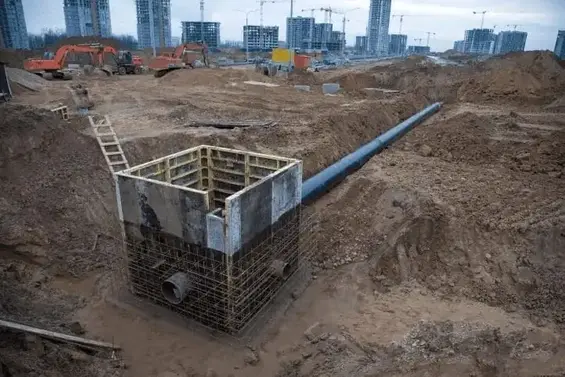
Civil works meaning goes far beyond the simple idea of outdoor construction or groundwork. It describes a wide range of essential activities that prepare land, create stable foundations, improve public spaces and support safe long term development. When people understand civil works meaning clearly, they realise that it forms the backbone of nearly every successful project, no matter the size.
Civil works meaning includes tasks such as earth preparation, drainage improvements, access pathways, land shaping, soil stabilisation and groundwork for essential services. These steps ensure that a site is ready for structural work and that the environment around it remains safe, balanced and functional. Without proper civil works, buildings face risks such as movement, water damage, poor access and long term instability.
This meaning also involves planning. Before any physical work begins, civil works specialists examine the land, assess conditions, create risk strategies and propose solutions to improve safety. This planning ensures that the site can support future structures, withstand environmental pressures and remain dependable for everyday use.
Civil works meaning blends practical skill and environmental understanding. It respects both the land and the future structure. It ensures that development aligns with safety, purpose and long term performance.
When homeowners and project managers understand civil works meaning, they gain clarity about the essential first steps in any project. They recognise that what happens below the surface determines how well everything above it performs. Civil works meaning becomes a guide for responsible development and confident decision making.
How Demolition Work Prepares the Site for Safe Progress
Demolition work is one of the earliest and most important phases of preparing a site for a new project. Many people think of demolition as simply removing an old structure, but its meaning and importance are far greater. Demolition work ensures safety and order and proper preparation so that new development can begin without risks or delays.
The process begins with assessment. Before anything is removed, specialists evaluate the structure, identify hazards, check for weak areas and plan the safest way to dismantle the building. This reduces the chance of unexpected collapse and keeps the site controlled.
Sydney demolition work also protects surrounding areas. Skilled teams control dust, noise and vibrations to minimise disturbance. Fences, barriers and safety systems keep neighbours and workers safe. These protective measures show that demolition work is not destruction, it is controlled preparation.
Once the plan is in place, the structure is dismantled in a sequence that avoids damage to the ground or nearby services. Pipes, wiring and utilities are handled with care. Materials like metal, concrete and timber are sorted for recycling, reducing waste and supporting responsible environmental practice.
Sydney demolition work clears the way for new foundations, new ideas and new opportunities. It sets the stage for safe construction by creating a clean, stable and hazard free site. Without proper demolition work, no project can begin confidently.
Understanding this process helps homeowners and project leaders appreciate why demolition work is essential. It is the bridge between an old structure and a well prepared site ready for development.
How Construction Hoarding Creates a Safe and Organised Work Environment
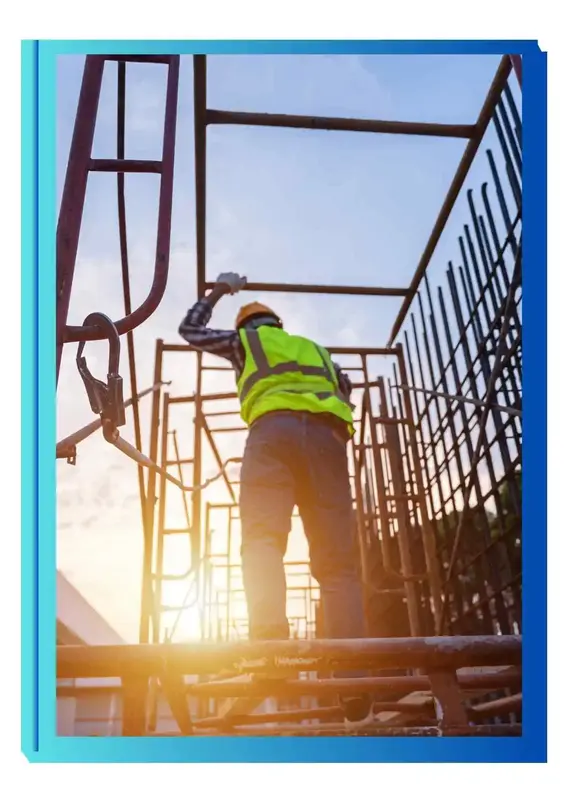
Construction hoarding is one of the most important elements of site safety, even though it is often overlooked. It refers to the secure temporary barriers placed around a construction site to protect the public, workers and nearby properties. Construction hoarding is not just fencing, it is a complete system that ensures a controlled and safe environment around active work areas.
Hoarding defines the boundaries of a site. It prevents unauthorised access, keeps people safe from on site hazards and creates a clear separation between construction activity and public spaces. Strong and stable hoarding reduces risks such as falling debris, accidental entry or contact with equipment.
Construction hoarding NSW also supports organisation. It helps manage foot traffic, directs delivery routes and keeps materials contained within safe zones. This improves workflow and helps workers stay focused on their tasks without worrying about external disturbances.
Beyond safety, construction hoarding protects privacy. Many sites contain sensitive work or early designs that should not be exposed publicly. Hoarding shields the area until the project is complete and ready for presentation.
In busy urban areas, construction hoarding reduces noise and controls dust. It also helps maintain community confidence by clearly showing that safety and professionalism are priorities.
Understanding how construction hoarding NSW works helps homeowners and project teams appreciate why it appears at every site. It is a fundamental part of maintaining order, safety and efficiency throughout the building process.
Frequently Asked Questions
1. What are civil works in construction?
Civil works refer to the foundational and infrastructural components of construction projects, including tasks such as site preparation, earthworks, drainage, roadworks and utilities installation. Essentially, civil works are the essential groundwork that supports any type of building or infrastructure development.
For further information, please refer to civil works meaning, Sydney demolition work, construction hoarding NSW.
2. Why is demolition a critical part of civil works?
Demolition is crucial in civil works because it clears existing structures to make way for new construction. This process involves safely dismantling buildings and removing debris, which is often necessary to ensure that the new project can be built on a clean, stable site. Proper demolition helps to prevent hazards during the construction phase.
For further information, please refer to civil works meaning, Sydney demolition work, construction hoarding NSW.
3. What is construction hoarding and why is it necessary?
Construction hoarding is a barrier or fence erected around a construction site to provide safety and security. It keeps the site contained, protecting both workers and the public from potential hazards. Hoarding also helps with noise control, prevents debris from escaping and ensures that workers can operate within a secure and controlled environment.
For further information, please refer to civil works meaning, Sydney demolition work, construction hoarding NSW.
4. How does Sydney demolition work contribute to site safety?
Sydney demolition work must be carefully planned and executed to ensure that it doesn’t pose a risk to surrounding areas. Proper demolition techniques remove hazardous materials, such as asbestos or unstable structures and clear the site for safe construction. This process is essential for maintaining safety during both the demolition phase and the subsequent construction.
For further information, please refer to civil works meaning, Sydney demolition work, construction hoarding NSW.
5. What are the key safety measures involved in demolition and civil works?
Safety measures include using personal protective equipment (PPE), ensuring proper site hoarding, conducting risk assessments and following legal safety regulations. Demolition workers must also carefully manage potential hazards such as falling debris, unstable structures and hazardous materials. Sites are often inspected for safety compliance throughout the project.
For further information, please refer to civil works meaning, Sydney demolition work, construction hoarding NSW.
6. What types of hazards are present during Sydney demolition work?
Common hazards in Sydney demolition work include structural collapse, falling debris, dust inhalation, exposure to hazardous materials (like asbestos) and the use of heavy machinery. To mitigate these risks, demolition must be done by experienced professionals and all necessary safety precautions, such as proper hoarding and site security, should be in place.
For further information, please refer to civil works meaning, Sydney demolition work, construction hoarding NSW.
7. How does construction hoarding NSW help with public safety?
Construction hoarding serves as a protective barrier to keep the general public away from the potentially dangerous site. It reduces the risk of people accidentally entering the construction zone, prevents flying debris from reaching pedestrians and blocks the view of the construction site, minimizing distractions and improving safety on nearby streets.
For further information, please refer to civil works meaning, Sydney demolition work, construction hoarding NSW.
8. Are there any regulations or permits required for demolition and construction hoarding NSW?
Yes, demolition and construction hoarding NSW are regulated by local councils and government bodies. Demolition typically requires a permit and there are strict guidelines on how it should be carried out, including the disposal of hazardous materials. Construction hoarding must also meet specific safety standards and be approved before installation to ensure it’s secure and compliant with regulations.
For further information, please refer to civil works meaning, Sydney demolition work, construction hoarding NSW.
9. How does the installation of construction hoarding NSW support a project's timeline?
The installation of construction hoarding is usually one of the first steps in a construction project. By securing the site early on, it ensures that demolition and construction work can proceed without interruptions from public interference. It also helps in organizing the site and establishing a clear boundary for workers, which can improve overall project efficiency and safety.
For further information, please refer to civil works meaning, Sydney demolition work, construction hoarding NSW.
10. What should homeowners and contractors consider before starting demolition and civil works?
Before starting demolition and civil works, homeowners and contractors should conduct thorough planning, including risk assessments, obtaining necessary permits and ensuring the site is adequately secured with hoarding. It’s also important to address environmental concerns, such as the removal of hazardous materials and ensure that all workers are trained in safety protocols. Additionally, an experienced team should oversee the demolition to ensure that it’s done safely and in compliance with local regulations.
For further information, please refer to civil works meaning, Sydney demolition work, construction hoarding NSW.
Thank you for your visit and welcome to the construction home