
Learn How Construction Safety Workplace Safety and Safety in Construction Protect Every Project
Construction safety, workplace safety and safe construction are essential for protecting workers, preventing accidents and ensuring high quality, compliant project delivery. From high rise façade upgrades to road construction, demolition and remedial engineering projects, safety is a core part of every successful outcome. Proper safety practices protect people, infrastructure and the overall project, reducing downtime and long term risks.
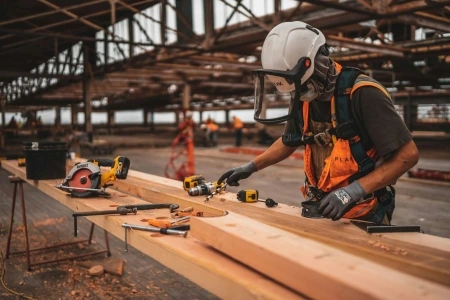
Safe Construction: The Foundation of Every Project
Construction safety is more than a checklist. It is a complete system designed to manage risks, prevent injury and maintain compliance with NSW WHS laws and Australian Standards. Safe practices ensure workers, contractors and the public are protected throughout the project lifecycle. Poor safety management can lead to accidents, structural failures, legal penalties, project delays and reputational damage.
Workplace Safety: Why Advanced Systems Matter
Effective workplace safety covers far more than personal protective equipment. It includes training, risk assessments, engineered controls, environmental protections and compliance monitoring. Key elements of workplace safety include:
- Detailed risk assessments and safety planning
- Safe Work Method Statements (SWMS)
- PPE including helmets, gloves, boots, eyewear and fall protection
- Machinery and equipment inspections
- Electrical, excavation and working at height safety measures
- Dust, noise and environmental controls
Hoarding construction for pedestrian safety - Emergency evacuation and fire safety protocols
- Safe traffic and pedestrian management
Implementing these measures reduces risk, ensures compliance and allows projects to be completed efficiently. Without robust workplace safety, even experienced teams face unnecessary hazards.

Construction Safety: The Engineering Led Approach
Safe construction begins long before work starts onsite. Engineering plays a key role in identifying hazards, ensuring structural integrity and designing safe construction methods. At SCECorp, safety is integrated into every project through:
- Preconstruction hazard analysis
Structural stability checks - Temporary works engineering
- Loadbearing assessments
- Safe access and egress design
- Fire safety and emergency planning
- Environmental risk mitigation
- Continuous site auditing
- DBP and ISO compliant documentation
Every system follows the strictest NSW standards because SCECorp is ISO certified (ISO 45001, ISO 9001, ISO 14001) and DBP accredited.
Frequently Asked Questions
1. What is construction safety and what role does it play from a workplace, public and project standpoint?
Construction safety is the practice of protecting workers and the public from accidents and hazards on building or civil projects. It ensures projects are delivered on time safely and without legal issues. For further information refer to construction safety, workplace safety, safe construction
2. What requirements and actions does workplace safety involve, and how does it compare to general safety measures?
Workplace safety involves structured systems including risk assessments training PPE emergency planning and equipment inspections to prevent accidents on-site. It protects workers contractors and visitors effectively. For further information refer to construction safety, workplace safety, safe construction
3. What practises and requirements are needed to ensure safety during construction?
Safety in construction covers engineering checks structural stability hazard mitigation fall protection and legislative compliance at every stage of a project. It is integrated from planning to completion. For further information refer to construction safety, workplace safety, safe construction
4. Who holds the responsiblity and accountabillity for construction safety on a site, and what are these specific responsibilities?
Project managers supervisors engineers and contractors all share responsibility for construction safety. Each team member ensures compliance with WHS laws and safe work practices. For further information refer to construction safety, workplace safety, safe construction
5. How do workplace safety practices prevent accidents and what actions and practices are taken to ensure a safer working environment?
Workplace safety practices such as SWMS, risk assessments, PPE, site inspections, and emergency procedures minimise hazards and protect people while work is underway. For further information refer to construction safety, workplace safety, safe construction
6. What are the consequences of ignoring safety in construction from a project, legal and financial standpoint?
Ignoring safety in construction can lead to injuries, structural failures, legal penalties, costly delays, and reputational damage. Proper safety protocols prevent these risks. For further information refer to construction safety, workplace safety, safe construction
7. What practices can be carried out in engineering improve construction safety?
Engineering improves construction safety through structural assessments, load-bearing analysis, temporary works design, safe access planning, and hazard identification before construction begins. For further information refer to construction safety, workplace safety, safe construction
8. What are common tools, whether it is equipment, clothing or worksite layouts that can assist in, facilitate or maintain workplace safety?
Common tools include PPE, safety signage, inspection checklists, emergency response plans, SWMS, and environmental controls to maintain safety standards. For further information refer to construction safety, workplace safety, safe construction
9. How do construction safety standards improve project quality without compromising project timeline abd budget?
High construction safety standards ensure work is completed efficiently without accidents, delays, or damage, improving overall project quality and compliance. For further information refer to construction safety, workplace safety, safe construction
10. What qualities and practises does SCECorp put in place to ensure workplace safety and safety in construction?
SCECorp integrates ISO-certified frameworks, engineering-led planning, certified supervisors, ongoing audits, and compliance with DBP and WHS requirements to guarantee safety on all projects. For further information refer to construction safety, workplace safety, safe construction