
Workplace safety | Work Health and Safety | Legislation
Compliance through ongoing training and safety audits. Our WHS policy meets ISO 45001 standards and TfNSW project guidelines for construction safety compliance. In New South Wales (NSW), ensuring workplace safety is paramount, governed by stringent legislation designed to protect workers and employers alike. At the heart of workplace safety regulation lies the Work Health and Safety Act 2011 (NSW) (SafeWork NSW). This Act sets out the legal framework for promoting the health, safety and welfare of all persons at work in NSW. It places obligations on employers, workers and other parties to ensure a safe working environment and prevent harm.
The Work Health and Safety (WHS) laws are central to workplace safety in NSW. These laws are crafted to safeguard individuals from work related risks and hazards, aiming to prevent accidents, injuries and illnesses. Under WHS laws, employers have a duty of care to provide a safe workplace, free from hazards that may cause harm to workers. Similarly, workers are required to comply with safety instructions and protocols to mitigate risks.
Key Principles of WHS Legislation in NSW
- Prevention of work related injuries, illnesses and fatalities
- Identification, assessment and control of workplace hazards
- Shared responsibility between employers, workers and contractors
- Continuous improvement through training, monitoring and review
Employer Responsibilities Under WHS Laws
Employers and principal contractors have a legal duty of care to:
- Provide and maintain a safe working environment
- Identify hazards and implement effective risk control measures
- Ensure workers receive appropriate WHS training and supervision
- Maintain safe systems of work, plant and equipment
- Monitor compliance through regular audits and inspections
Worker Responsibilities
Workers are also legally required to:
- Follow WHS policies, procedures and site instructions
- Use personal protective equipment (PPE) correctly
- Report hazards, incidents and unsafe conditions
- Take reasonable care for their own safety and the safety of others
To support compliance, WHS systems aligned with ISO 45001 provide a structured approach to safety management, while TfNSW project guidelines impose additional safety requirements for infrastructure and transport related construction works. Together, these frameworks ensure construction activities are carried out safely, consistently and in full compliance with NSW legislation.
Effective WHS management not only satisfies legal obligations but also reduces incidents, minimises project delays and fosters a strong safety culture across construction and civil engineering environments.
Key Elements of WHS Legislation
-
Legislation | Legal Responsibilities: WHS legislation outlines the legal obligations of both employers and employees regarding workplace safety .
-
Legislation | Risk Management: Employers must conduct risk assessments and implement control measures to minimise workplace hazards and ensure the safety of workers.
-
Legislation | Consultation and Participation: WHS laws emphasise the importance of collaboration between employers and workers in identifying and addressing safety issues.
-
Legislation | Training and Information: Employers are required to provide appropriate WHS training and information to employees to equip them with the necessary knowledge and skills to work safely (Service NSW).

OHS vs. WHS: Clarifying Terminology
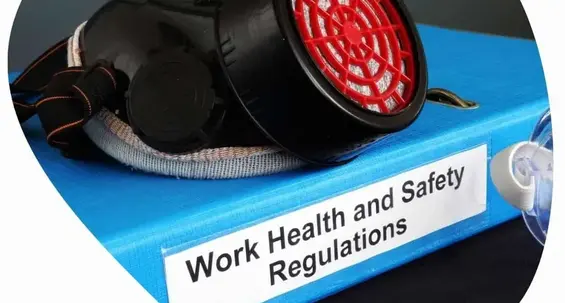
You might have encountered both terms, Occupational Health and Safety (OHS) and Work Health and Safety (WHS). In NSW, the transition from OHS to WHS reflects a broader, more inclusive approach to workplace safety. While OHS primarily focused on the health and safety of workers, WHS encompasses the well being of everyone involved in work activities, including employers, contractors and visitors. Therefore, it’s WHS that governs safety practices in NSW workplaces.
The Significance of WHS Legislation in Australia
Beyond NSW, WHS legislation holds significant importance across Australia. The model WHS laws serve as the foundation for workplace safety regulation in each jurisdiction, ensuring consistency and harmonisation (Department of Education, Skills and Employment). However, it’s crucial to note that each state and territory may have specific variations and additional regulations tailored to their unique circumstances.
State Specific Legislation
-
Victoria: In Victoria, workplace safety is governed by the Occupational Health and Safety Act 2004. This Act places similar obligations on employers and employees to ensure a safe work environment and mitigate risks (WorkSafe Victoria).
-
Queensland: The Work Health and Safety Act 2011 (QLD) aligns closely with the model WHS laws, emphasising the importance of duty holders in managing risks and promoting safety culture (Workplace Health and Safety Queensland).
-
Western Australia: Workplace safety in Western Australia is regulated by the Occupational Safety and Health Act 1984. This Act places a strong emphasis on the prevention of workplace accidents and diseases through risk management and consultation (WorkSafe WA).

Frequently Asked Questions
1. What is Workplace Safety?
Workplace safety refers to the processes and policies implemented to ensure a safe environment for employees. It involves adhering to Work Health and Safety (WHS) legislation to prevent accidents, injuries and illnesses at work. Work Safety.
2. What does Work Health and Safety (WHS) legislation encompass?
Work Health and Safety legislation outlines the legal obligations of employers and employees in maintaining a safe workplace. This includes risk management, safety training and consultation to enhance workplace safety. Work Safety.
3. How can employers ensure compliance with workplace safety laws?
Employers can ensure compliance with workplace safety laws by conducting regular risk assessments, providing safety training and maintaining open communication about safety protocols as required by WHS legislation. Work Safety.
4. What are the key responsibilities of employees under Work Health and Safety legislation?
Employees are required to follow safety instructions, report hazards and participate in safety training. Understanding their rights and obligations is essential for maintaining workplace safety. Work Safety.
5. What are the penalties for non compliance with workplace safety legislation?
Non compliance with workplace safety legislation can result in fines, penalties and even criminal charges against employers or individuals responsible for safety breaches. Work Safety.
6. What is the role of SafeWork NSW in workplace safety?
SafeWork NSW is the regulatory authority responsible for enforcing workplace health and safety laws. It provides guidance, conducts inspections, investigates incidents and ensures compliance with WHS regulations across industries. Work Safety.
7. How can businesses create a positive workplace safety culture?
Building a strong safety culture involves leadership commitment, open communication, continuous training and employee engagement. Employers should encourage reporting hazards and reward safe work practices to maintain compliance and awareness. Work Safety.
8. What training is required under WHS regulations in NSW?
Employers must provide workers with training relevant to their roles and associated risks. This includes induction training, manual handling, emergency response and ongoing refresher courses to maintain compliance with WHS standards. Work Safety.
9. How does risk assessment contribute to workplace safety?
Risk assessment helps identify potential hazards, evaluate risks and implement control measures before incidents occur. Regular assessments ensure workplaces remain safe, compliant and aligned with current WHS legislation. Work Safety.
10. What industries face the highest workplace safety risks in NSW?
Construction, mining, manufacturing and healthcare are among the highest risk sectors in NSW. These industries involve heavy equipment, physical labour and hazardous materials, requiring strict adherence to WHS compliance protocols. Work Safety.